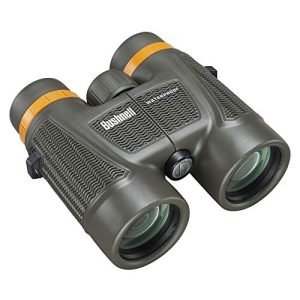
Are you wondering what magnification is best for ED binoculars? Choosing the right magnification can make a huge difference in how clear and detailed your view will be.
Whether you’re birdwatching, hiking, or enjoying outdoor sports, picking the perfect magnification helps you see more without losing comfort or stability. You’ll discover exactly which magnification works best for your needs and why it matters. Keep reading to unlock the full potential of your ED binoculars and enjoy sharper, brighter views every time.
Credit: oberwerk.com
Basics Of Ed Binoculars
ED binoculars use special glass to improve image quality. They reduce color blur and give clear views.
Choosing the right magnification is important for the best experience. Let’s explore what ED binoculars are and their key features.
What Are Ed Binoculars?
ED stands for Extra-low Dispersion glass. This glass helps reduce color fringing in images.
These binoculars give sharper and brighter pictures than regular ones. They are good for bird watching, hiking, and sports.
Key Features Of Ed Glass
ED glass lowers the amount of light scattering. This makes colors look natural and edges clearer.
- Reduces chromatic aberration or color blur
- Improves sharpness and image clarity
- Enhances contrast for better detail
- Works well in low light conditions
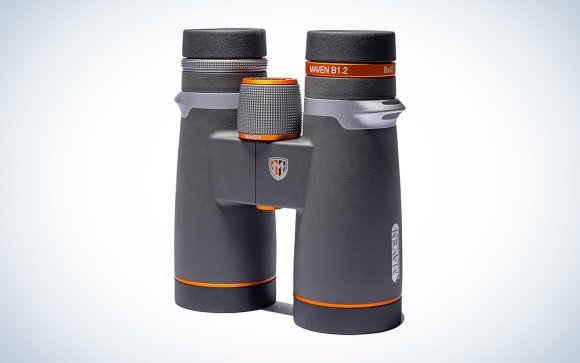
Credit: www.popsci.com
Magnification Explained
Magnification shows how much closer an object looks through binoculars. It tells you how many times bigger the image appears compared to the naked eye.
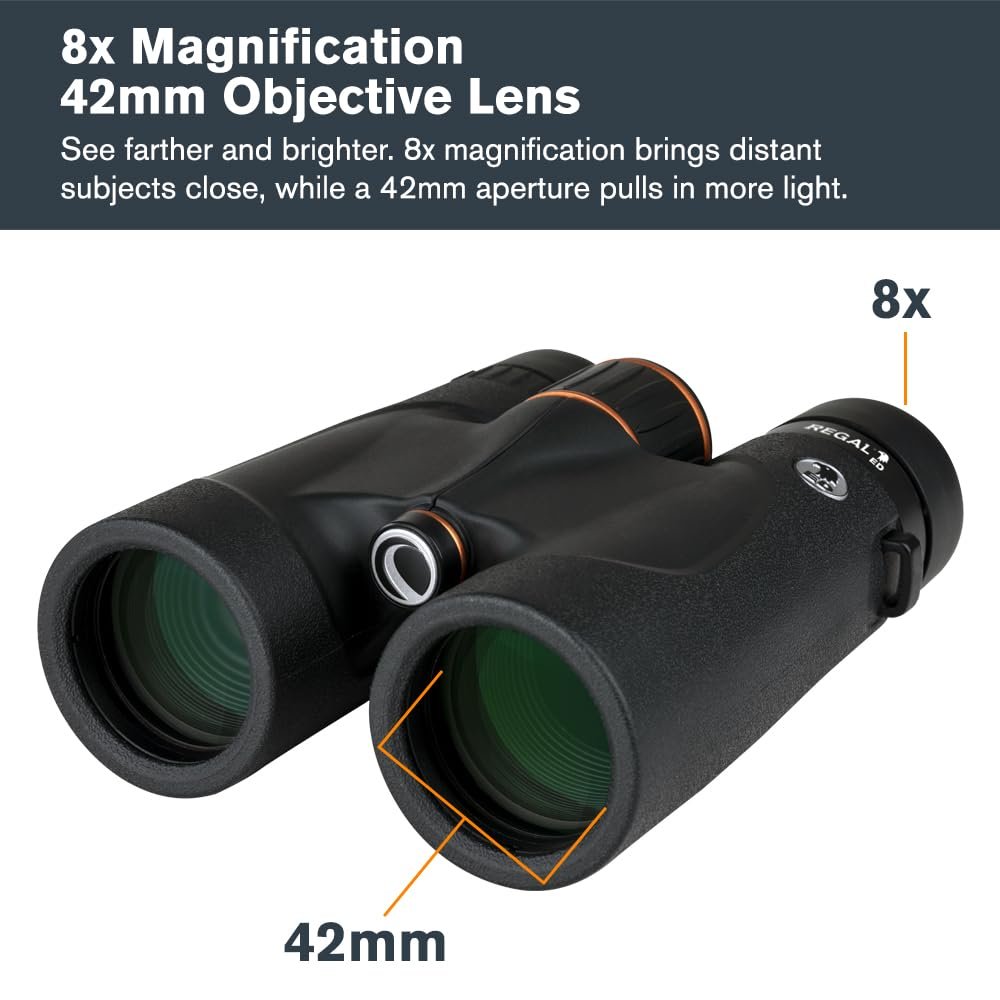
For example, 8x magnification makes objects look eight times closer than they are.
How Magnification Affects Viewing
Higher magnification brings distant objects closer but can make images shaky. It also reduces the field of view and brightness.
Lower magnification offers a wider view and steadier images. It is easier to hold without support and works well for fast-moving subjects.
- High magnification: closer view, less stability
- Low magnification: wider view, more stability
- Higher power reduces image brightness
- Field of view narrows as magnification increases
Common Magnification Ranges
ED binoculars usually come with magnifications between 8x and 12x. This range suits most outdoor activities.
Lower than 8x is rare in ED binoculars because they focus on clarity and detail at longer distances.
| Magnification | Best Use |
|---|---|
| 8x | Bird watching, hiking, steady viewing |
| 10x | Hunting, general use, moderate distance |
| 12x | Long-distance viewing, detailed observation |
Choosing The Right Magnification
Choosing the right magnification for ED binoculars is important. It affects how you see objects far away.
You want a balance between seeing things clearly and having a wide view around them.
Balancing Magnification And Field Of View
Higher magnification shows objects closer but narrows your field of view. This means you see less area around the object.
Lower magnification gives a wider view but objects appear smaller. Choose magnification based on what you want to see.
- High magnification: best for detailed views of far objects
- Low magnification: better for scanning wide areas
- Medium magnification: balances detail and wide view
Impact On Image Brightness And Stability
Higher magnification makes the image dimmer. Less light reaches your eyes, so images may look darker.
Strong magnification also makes it harder to hold the binoculars steady. Shakes become more noticeable.
- Low magnification gives brighter images and easier stability
- High magnification needs steady hands or a tripod
- Brightness depends on lens size and coating too
Best Magnification For Different Uses
Choosing the right magnification for your binoculars is important. It depends on what you want to use them for.
Different activities need different magnifications to get the best view.
Birdwatching And Wildlife
For birdwatching and wildlife, a clear and steady view is key. Too much magnification can make the image shaky.
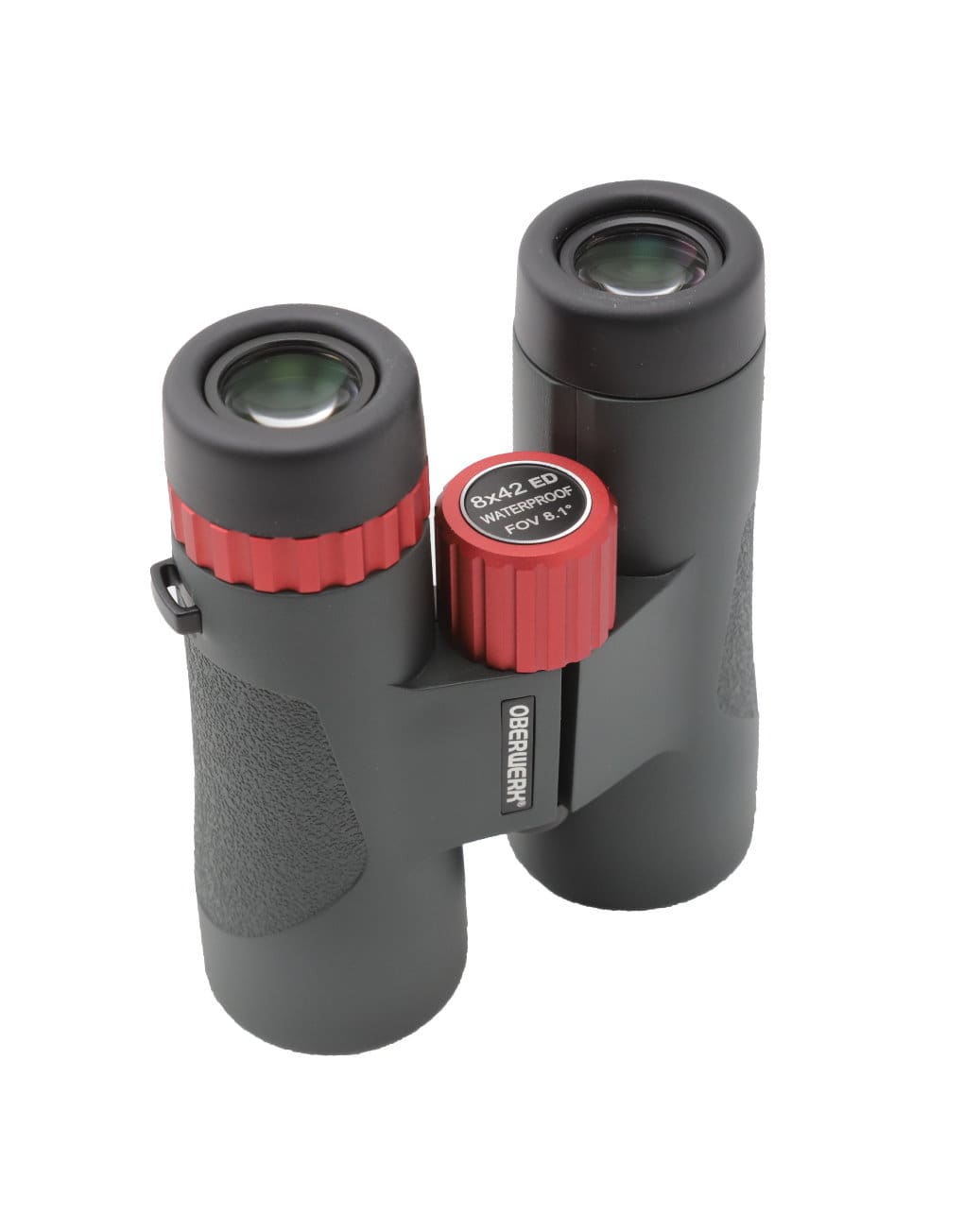
A magnification between 8x and 10x works well. It lets you see details without losing stability.
- 8x magnification: easy to hold steady, good field of view
- 10x magnification: closer view, but needs a steady hand
Hiking And Outdoor Adventures
Hikers need binoculars that are light and easy to carry. Magnification should balance view and size.
7x to 8x magnification is best. It keeps the binoculars small and gives a wide view of the surroundings.
- 7x magnification: wide view, easy to use on the move
- 8x magnification: more detail, still portable
Astronomy And Stargazing
Astronomy needs higher magnification to see stars and planets clearly. Stability is less of a problem with a tripod.
Magnification between 10x and 15x works well. It shows more detail in the night sky.
- 10x magnification: good balance of view and brightness
- 12x to 15x magnification: more detail, needs tripod
Additional Factors To Consider
Choosing the best magnification for ED binoculars is not just about zoom power. You also need to think about other features. These features affect how well the binoculars work for you.
Below are some important points to check before making your choice. They help you find binoculars that fit your needs and comfort.
Lens Diameter And Exit Pupil
The lens diameter affects how much light your binoculars can gather. Bigger lenses let in more light, which is good for low light or night use. The exit pupil size tells you how bright the image will appear.
- Larger lens diameter means a brighter image in dim light.
- A bigger exit pupil helps your eyes see clearly without strain.
- Small lenses are lighter but work best in bright light.
Weight And Portability
Binoculars that are too heavy can tire your hands and neck quickly. If you plan to carry them a lot, weight matters. Portability helps you enjoy longer trips without discomfort.
| Weight Range | Best Use | Comments |
| Under 600g | Hiking, travel | Easy to carry all day |
| 600g to 900g | Bird watching, general use | Balanced weight and power |
| Over 900g | Stargazing, fixed use | Heavier but more stable |
Budget And Brand Quality
Your budget sets limits on the binoculars you can buy. Brand quality often reflects durability and optical clarity. Choose brands known for good customer support and reliable products.
- Set a budget before shopping.
- Read reviews to check brand reputation.
- Consider warranty and service options.
Tips For Maximizing Ed Binocular Performance
ED binoculars deliver sharp and clear views. Using the right magnification helps you see details well.
To get the best from your ED binoculars, follow simple care and usage tips. These keep your binoculars working like new.
Proper Maintenance And Care
Clean your binocular lenses carefully. Use a soft cloth and lens cleaner made for optics. Avoid touching lenses with fingers.
- Store binoculars in a dry, cool place.
- Keep them in a padded case to avoid damage.
- Check for dust or moisture inside the lenses.
- Use lens caps when not in use.
Using Tripods And Stabilizers
Higher magnifications can cause shaky images. Use tripods or stabilizers to keep binoculars steady for clear views.
| Magnification | Recommended Support |
| 6x to 8x | Handheld or tripod |
| 10x to 12x | Tripod preferred |
| 15x and above | Tripod or stabilizer needed |

Credit: www.amazon.com
Frequently Asked Questions
What Magnification Is Ideal For Ed Binoculars?
The ideal magnification for ED binoculars is typically between 8x and 10x. This range balances clear, sharp images with ease of use and stability.
How Does Magnification Affect Ed Binoculars’ Image Quality?
Higher magnification can reduce image brightness and stability. ED glass ensures sharpness, but 8x to 10x is optimal for clarity and comfort.
Are 12x Magnification Ed Binoculars Suitable For Beginners?
12x magnification offers detailed views but requires steady hands or a tripod. Beginners may prefer 8x to 10x for easier handling and clearer images.
Can I Use Low Magnification Ed Binoculars For Birdwatching?
Yes, low magnification like 8x is great for birdwatching. It provides a wide field of view and sharp, bright images.
Conclusion
Choosing the right magnification for ED binoculars depends on your needs. Lower magnifications offer wider views and easier handling. Higher magnifications bring distant objects closer but may shake more. A balance between clarity and stability works best for most users.
Think about what you want to see and where you will use your binoculars. This helps pick the best magnification for your experience. Enjoy clear, sharp views with the right choice in your hands.