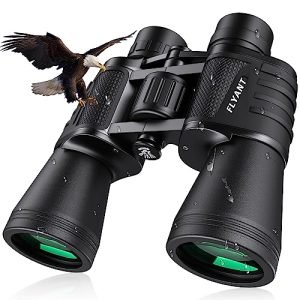
Cheap optical lenses often deliver subpar performance, leading to blurry images, color distortion, and short lifespans. While they may seem like a budget-friendly option, low-quality lenses in monoculars can ruin your viewing experience and cost more in the long run due to frequent replacements.
If you’ve ever peered through a cheap monocular and wondered why everything looks fuzzy, washed out, or oddly tinted, you’re not alone. While budget-friendly optics might seem like a smart way to save money, they often come with a host of hidden problems that can turn a promising outdoor adventure into a frustrating experience. Whether you’re birdwatching, hiking, or trying to get a closer look at a distant landmark, the quality of your monocular’s lens plays a huge role in what you actually see.
The truth is, not all optical lenses are created equal. Cheap lenses are typically made from lower-grade glass or even plastic, and they’re often assembled with minimal quality control. This leads to a range of optical and structural issues that degrade performance. From distorted images to poor durability, these flaws can make even the most basic tasks—like identifying a bird species or reading a trail sign—difficult or impossible. In this article, we’ll break down the most common problems you’ll encounter with inexpensive optical lenses in monoculars, so you can make a smarter, more informed purchase.
Key Takeaways
- Poor image clarity: Cheap lenses often produce blurry or soft images, especially at higher magnifications, due to low-grade glass and poor manufacturing.
- Chromatic aberration: Low-quality lenses fail to focus all light wavelengths properly, causing color fringing around objects, especially in high-contrast scenes.
- Distorted field of view: Spherical aberration and lens curvature flaws lead to warped or curved edges in the image, reducing usable viewing area.
- Weak build and durability: Budget lenses are often housed in flimsy materials that scratch easily, fog up, or break under minor impact.
- Inadequate coatings: Missing or low-quality anti-reflective coatings reduce light transmission, causing glare and dim images.
- Short lifespan: Poor materials degrade faster, leading to clouding, peeling coatings, or misaligned optics over time.
- False magnification claims: Some cheap monoculars exaggerate magnification power, delivering unusable zoom that sacrifices image quality.
📑 Table of Contents
Blurry or Soft Image Quality
One of the most obvious signs of a cheap optical lens is poor image clarity. Instead of sharp, detailed views, you’re left with soft, out-of-focus images that lack definition. This happens because low-cost lenses are often made from inferior glass that doesn’t refract light accurately. Even when the monocular is properly focused, fine details like tree bark, feather patterns, or text on a distant sign remain indistinct.
Causes of Image Softness
The root cause usually lies in the lens material and manufacturing process. Cheap lenses may have microscopic imperfections, uneven curvature, or inconsistent thickness. These flaws scatter light instead of focusing it cleanly onto your eye, resulting in a loss of resolution. Additionally, many budget monoculars use single-element lenses instead of multi-element designs, which are better at correcting optical errors.
Real-World Impact
Imagine trying to spot a deer in the woods. With a high-quality monocular, you’d see clear outlines, distinct fur texture, and even the glint of sunlight on its antlers. With a cheap lens, the deer might appear as a blurry brown smudge. This lack of detail not only reduces enjoyment but can also be a safety issue—like misidentifying a trail marker or failing to notice obstacles.
Chromatic Aberration (Color Fringing)
Another telltale sign of a low-quality lens is chromatic aberration, also known as color fringing. This occurs when the lens fails to focus all colors of light to the same point. As a result, you’ll see rainbow-like halos around objects, especially against bright backgrounds like a white sky or sunlit water.
Why It Happens
Chromatic aberration happens because different wavelengths of light (colors) bend at slightly different angles when passing through glass. High-quality lenses use special low-dispersion glass or multiple lens elements to correct this. Cheap lenses, however, often use standard glass and simple designs that don’t address this issue, leading to visible color separation.
Example in Practice
Say you’re looking at a black bird against a bright blue sky. With a cheap monocular, you might see purple or green edges around the bird’s wings and body. This not only distracts from the view but can also make it harder to identify species or judge distances accurately. Over time, this visual distortion can cause eye strain and fatigue.
Distorted Field of View
A warped or curved field of view is another common problem with inexpensive optical lenses. Instead of a flat, rectangular image, you might notice that straight lines appear bent—especially near the edges. This is known as barrel or pincushion distortion, and it’s particularly noticeable when viewing landscapes or architectural features.
Types of Distortion
Barrel distortion makes images look like they’re bulging outward, as if viewed through a fish-eye lens. Pincushion distortion does the opposite, making lines curve inward. Both are caused by improper lens curvature or misaligned elements. While some distortion can be corrected in high-end optics, cheap monoculars rarely include the necessary corrective features.
Impact on Usability
Distortion can be more than just annoying—it can affect your ability to judge distances and spatial relationships. For example, if you’re using a monocular to scout a hiking route, a distorted view might make a trail appear steeper or a cliff edge seem farther away than it really is. This can lead to poor decision-making in critical situations.
Poor Build Quality and Durability
Even if a cheap lens manages to produce a decent image initially, it often doesn’t last. Budget monoculars are frequently constructed with thin plastic housings, weak hinges, and scratch-prone lens surfaces. This makes them vulnerable to damage from drops, moisture, or everyday wear and tear.
Common Durability Issues
Cheap lenses are often coated with thin, low-quality films that peel or scratch easily. Once the coating is damaged, light transmission drops, and glare increases. Additionally, many budget models lack proper sealing, allowing dust and moisture to enter the housing. Over time, this leads to internal fogging, which permanently clouds the lens and ruins visibility.
Long-Term Costs
While a $20 monocular might seem like a bargain, it may need replacing after just a few months of use. In contrast, a $100 model with quality lenses and durable construction can last for years. When you factor in replacement costs and the frustration of constant malfunctions, cheap optics often end up being more expensive in the long run.
Inadequate Lens Coatings
Lens coatings play a crucial role in optical performance. Anti-reflective coatings reduce glare, increase light transmission, and improve contrast. Unfortunately, many cheap monoculars either skip these coatings entirely or use low-quality versions that wear off quickly.
Why Coatings Matter
Without proper coatings, a significant amount of light is lost to reflection—up to 4% per lens surface. In a monocular with multiple lens elements, this can result in a dim, washed-out image. Coatings also help reduce lens flare and ghosting, which are especially problematic in bright sunlight or when pointing the monocular toward the sun.
Signs of Poor Coatings
If your monocular produces dim images, even in good lighting, or shows bright reflections when you look at the lens, it likely has inadequate or missing coatings. Over time, these coatings may flake off, leaving visible patches that further degrade image quality.
False Magnification Claims
One of the biggest red flags with cheap monoculars is exaggerated magnification. Some manufacturers claim their devices offer 12x, 15x, or even 20x zoom, but in reality, the optics can’t support such high power without severe image degradation.
The Problem with Over-Magnification
High magnification amplifies every flaw in the lens. With cheap optics, this means blurry images, shaky views (due to hand movement), and a very narrow field of view. At 15x, even slight tremors in your hand can make the image bounce around uncontrollably. Most experts agree that 8x to 10x is the practical limit for handheld monoculars—anything higher usually requires a tripod.
How to Spot the Scam
Be wary of monoculars that advertise extreme magnification without mentioning other key specs like objective lens size or exit pupil. A 20x monocular with a 25mm lens, for example, will have a tiny exit pupil and produce a dim, unusable image. Always check reviews and look for real-world performance data before buying.
Conclusion
While cheap optical lenses might save you money upfront, they often lead to disappointment, frustration, and additional costs down the line. From blurry images and color fringing to poor durability and false specs, the drawbacks of budget monoculars are hard to ignore. If you rely on your optics for outdoor activities, travel, or safety, investing in a quality monocular with well-crafted lenses is well worth the extra cost.
Look for models that use multi-coated lenses, durable materials, and realistic magnification. Read user reviews, check for warranties, and consider reputable brands known for optical excellence. Remember: when it comes to optics, you really do get what you pay for. A clear, bright, and reliable view is priceless—don’t let a cheap lens stand between you and the beauty of the world around you.
Frequently Asked Questions
Why do cheap monoculars produce blurry images?
Cheap monoculars often use low-grade glass and simple lens designs that can’t focus light accurately. This leads to soft, out-of-focus images, especially at higher magnifications.
What is chromatic aberration, and how does it affect viewing?
Chromatic aberration is when a lens fails to focus all colors to the same point, causing rainbow-like fringes around objects. It’s common in cheap lenses and reduces image clarity and color accuracy.
Can I fix distortion in a cheap monocular?
No, distortion caused by lens design flaws can’t be fixed without replacing the optics. It’s best to avoid monoculars with noticeable warping or curved edges in the field of view.
How do lens coatings improve monocular performance?
Anti-reflective coatings reduce glare, increase light transmission, and improve contrast. Cheap monoculars often lack proper coatings, resulting in dim, washed-out images.
Are high-magnification monoculars always better?
Not necessarily. Extremely high magnification (like 15x or 20x) in cheap monoculars often leads to shaky, blurry views. 8x to 10x is usually the sweet spot for handheld use.
How can I tell if a monocular has quality lenses?
Look for multi-coated lenses, durable construction, realistic magnification, and positive user reviews. Avoid models with exaggerated specs or flimsy plastic builds.