Monoculars are essential tools for outdoor and hunting adventures, but they come with challenges like fogging, drops, and poor lighting. Understanding these issues helps you choose the right gear and use it effectively in tough conditions.
Key Takeaways
- Fogging and moisture buildup: Temperature changes and humidity can cause internal or external lens fogging, reducing visibility. Use nitrogen-purged, waterproof models to prevent this.
- Impact damage from drops: Monoculars are prone to cracking or misalignment when dropped. Look for shockproof designs with rubber armor for added protection.
- Poor low-light performance: Many budget monoculars struggle in dawn or dusk conditions. Choose models with larger objective lenses and high-quality coatings.
- Eye strain and focus issues: Extended use without proper eye relief or diopter adjustment can cause fatigue. Opt for adjustable eyecups and fast-focus mechanisms.
- Battery failure in digital models: Electronic monoculars rely on batteries that can die at critical moments. Always carry spares or choose models with long battery life.
- Carrying and accessibility challenges: Bulky or poorly stored monoculars can be hard to access quickly. Use neck straps or chest harnesses for easy reach.
- Lens scratches and dirt: Dirt, dust, and scratches degrade image quality. Carry lens caps and microfiber cloths for regular cleaning.
📑 Table of Contents
Introduction to Monocular Use in the Outdoors
When you’re out in the wild—whether tracking deer through dense forest, scanning ridgelines for elk, or simply observing bird behavior—having a reliable monocular can make all the difference. These compact, lightweight optical tools offer powerful magnification in a single-lens design, making them ideal for hunters, hikers, and outdoor enthusiasts who value portability and quick target acquisition. Unlike binoculars, monoculars are easier to carry and use with one hand, which is a major advantage when you’re holding a rifle or navigating rough terrain.
But while monoculars are incredibly useful, they’re not without their challenges. The very environments that make them so valuable—rugged trails, unpredictable weather, and long hours in the field—can also expose weaknesses in design, build quality, or user habits. From sudden fogging during early morning hunts to accidental drops on rocky ground, real-world use often reveals flaws that don’t show up in a store display. Understanding these common issues is the first step toward choosing the right monocular and using it effectively, no matter the conditions.
Fogging and Moisture Problems
One of the most frustrating issues outdoor users face is lens fogging. It happens when moisture condenses on the inside or outside of the lenses, often due to rapid temperature changes—like moving from a warm vehicle into cold morning air. This fog can completely obscure your view at a critical moment, such as when a buck steps into the clearing just 50 yards away.
Why Fogging Happens
Fogging occurs because air holds different amounts of moisture at different temperatures. When warm, humid air inside the monocular meets a cold lens surface, condensation forms. This is especially common in early morning hunts or when crossing streams in humid climates. Even high-end monoculars can fog if they’re not properly sealed.
How to Prevent It
The best defense is choosing a monocular that’s nitrogen-purged and O-ring sealed. These features prevent moisture from entering the housing and reduce internal fogging. Brands like Vortex, Bushnell, and Leupold often include this technology in their outdoor models. Additionally, always store your monocular in a breathable case when not in use, and avoid exposing it to sudden temperature shifts when possible.
Quick Fixes in the Field
If fogging does occur, resist the urge to wipe the lens immediately—this can smear moisture and make it worse. Instead, let the monocular acclimate to the environment for a few minutes. For external fog, a quick breath and a gentle wipe with a microfiber cloth usually does the trick. Carrying a small desiccant pack in your gear bag can also help absorb excess moisture over time.
Impact and Drop Damage
Monoculars are delicate instruments, and even a short drop onto hard ground can cause serious damage. A cracked lens, misaligned optics, or a broken focus wheel can render your device useless—especially when you’re miles from the nearest town.
Common Causes of Drops
Hunters often carry monoculars in pockets, on lanyards, or in packs. During active movement—climbing, crouching, or drawing a bow—it’s easy for the device to slip. Wet hands, gloves, or muddy conditions increase the risk. I’ve seen more than one hunter lose sight of a trophy buck because their monocular took a tumble into a creek.
Choosing a Shockproof Design
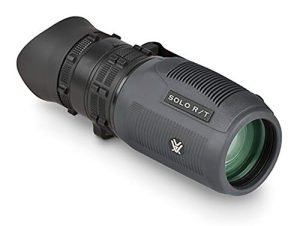
Look for monoculars with rubber armor coating and reinforced housings. These materials absorb impact and provide a better grip, even in wet conditions. Models like the Vortex Solo or the Celestron Outland X are built to withstand rough handling. Some even come with protective caps that double as lens covers.
Protective Accessories
Even the toughest monocular benefits from extra protection. Consider using a padded carrying case or a chest harness that keeps the device secure and accessible. A wrist strap is also a smart addition—it won’t prevent all drops, but it can stop a full fall into water or brush.
Low-Light Performance Challenges
Hunting often happens during the “golden hours”—dawn and dusk—when light is dim and animals are most active. Unfortunately, many monoculars struggle in these conditions, delivering dim, blurry, or washed-out images when you need clarity the most.
The Role of Objective Lens Size
The size of the objective lens (the front lens) directly affects how much light enters the monocular. A larger lens—say, 42mm or 50mm—gathers more light, resulting in brighter, clearer images in low light. Compact models with 25mm or 30mm lenses may be easier to carry, but they often fall short at sunrise or sunset.
Lens Coatings Matter
High-quality multi-coated or fully multi-coated lenses reduce glare and improve light transmission. These coatings are essential for maintaining image brightness and contrast in challenging lighting. Budget models often skip advanced coatings, which is why they perform poorly in dim conditions.
Practical Tip: Test Before You Buy
If possible, test a monocular during early morning or late evening hours. Look for models that maintain color accuracy and sharpness even as light fades. Pay attention to edge distortion—some cheaper optics blur at the edges, making it hard to track moving animals.
Eye Strain and Focus Issues
Using a monocular for extended periods can lead to eye fatigue, headaches, or difficulty focusing—especially if the device isn’t adjusted properly. This is a common issue among hunters who scan large areas for long stretches.
Importance of Eye Relief
Eye relief is the distance between your eye and the eyepiece where the full image is visible. If it’s too short, you’ll have to press your eye too close to the lens, causing discomfort. Hunters who wear glasses need at least 15mm of eye relief to see the full field of view without removing their eyewear.
Diopter and Focus Adjustments
Most monoculars have a diopter adjustment ring that lets you fine-tune focus for your dominant eye. Failing to set this correctly can result in a blurry image, even if the main focus is sharp. Take a moment before each hunt to adjust the diopter using a distant, stationary object.
Fast-Focus vs. Wheel Focus
Some monoculars use a fast-focus lever, while others have a traditional focus wheel. Fast-focus is great for quick target acquisition, but wheel focus offers more precision. Choose based on your hunting style—fast-focus for spotting moving game, wheel focus for detailed observation.
Battery Failures in Digital Monoculars
Digital monoculars with night vision or recording capabilities offer amazing features, but they come with a major drawback: battery dependency. A dead battery can leave you blind in low-light conditions, especially if you’re relying on digital enhancement.
Common Battery Issues
Cold weather drastically reduces battery life. A monocular that works fine at room temperature may die within an hour in freezing conditions. Additionally, leaving the device on accidentally—or forgetting to turn it off after use—can drain the battery overnight.
Best Practices for Battery Management
Always carry spare batteries, especially on multi-day trips. Lithium batteries perform better in cold weather than alkaline ones. Consider models with USB-rechargeable batteries and low-battery indicators. Some high-end digital monoculars even have solar charging options.
Backup Plan
Even with digital features, keep a traditional optical monocular as a backup. Relying solely on electronics can be risky when power is limited. A simple, non-digital model ensures you’re never completely without vision.
Carrying and Accessibility Problems
A monocular is only useful if you can reach it quickly. Many users store their device in a pack or pocket, only to fumble for it when a target appears. This delay can mean missing a shot or losing track of wildlife.
Choosing the Right Carry Method
A neck strap is the most common solution, but it can bounce around during movement. A chest harness or molle-compatible pouch offers more stability and faster access. Some hunters prefer attaching the monocular to their rifle sling for instant reach.
Weight and Size Considerations
Heavier monoculars may offer better optics, but they’re harder to carry all day. Balance performance with portability. Compact models under 8 ounces are ideal for long hikes, while larger models may be better suited for stationary hunting.
Quick-Access Tips
Keep your monocular in the same place every time—whether it’s a specific pocket, harness, or clip. Develop a routine so you can grab it without thinking. Practice drawing and focusing in advance so you’re ready when the moment comes.
Lens Scratches and Dirt Accumulation
Dirt, dust, sand, and scratches can degrade image quality over time. Even minor smudges can reduce clarity, especially when scanning distant objects.
Causes of Lens Damage
Lens caps are often lost or forgotten. Carrying a monocular in a pack without protection exposes it to abrasive materials. Cleaning with rough cloths or clothing can also cause micro-scratches.
Proper Cleaning Techniques
Always use a microfiber cloth designed for optics. Blow away loose dust with a blower brush before wiping. For stubborn dirt, use a lens cleaning solution and a soft, lint-free cloth. Avoid paper towels or tissues—they can scratch the lens.
Preventive Measures
Use lens caps whenever the monocular is not in use. Store it in a padded case when traveling. Consider adding a protective filter or cover if you’re hunting in sandy or dusty environments.
Conclusion
Using a monocular in outdoor or hunting settings offers unmatched convenience and performance—but only if you understand and prepare for the challenges. From fogging and drops to low-light struggles and battery failures, each issue can impact your success in the field. The good news? Most of these problems are preventable with the right gear, habits, and maintenance.
Invest in a high-quality, weather-sealed monocular with good light transmission and shock resistance. Protect it with proper storage and cleaning. And always have a backup plan, especially when relying on digital features. With the right approach, your monocular will be a trusted companion on every adventure, helping you spot game, navigate terrain, and make the most of your time in nature.
Frequently Asked Questions
Can monoculars fog up in cold weather?
Yes, monoculars can fog up when exposed to rapid temperature changes, especially in cold or humid conditions. Choosing a nitrogen-purged, waterproof model helps prevent internal fogging.
What should I do if my monocular gets dropped?
First, check for visible damage like cracks or misalignment. Test the focus and image quality. If it’s still functional, clean the lenses and store it properly. For serious damage, consider professional repair or replacement.
Are digital monoculars worth it for hunting?
Digital monoculars offer features like night vision and recording, but they depend on batteries and can fail in extreme conditions. They’re useful but should be backed up with a traditional optical model.
How do I clean my monocular lenses safely?
Use a microfiber cloth and lens cleaning solution. Blow away dust first, then gently wipe in a circular motion. Avoid using clothing, paper towels, or harsh chemicals.
What’s the best way to carry a monocular while hunting?
A chest harness or neck strap with a secure clip offers the best balance of accessibility and stability. Keep it in the same spot every time for quick, reliable access.
Can I use a monocular with glasses?
Yes, as long as the monocular has sufficient eye relief (at least 15mm). Look for models with adjustable eyecups that fold or twist down to accommodate eyewear.