Long distance viewing presents unique challenges like atmospheric distortion, poor lighting, and image shake. These issues can blur details and reduce clarity, especially when using handheld optics. Understanding these problems helps you choose the right monocular and viewing techniques for better results.
Have you ever tried spotting a bird on a distant hill or watching a ship sail across the horizon, only to find the image blurry, shaky, or hard to make out? You’re not alone. Long distance viewing—whether for birdwatching, hunting, hiking, or stargazing—comes with a unique set of challenges. Even with a good monocular in hand, the real world doesn’t always cooperate. From the air itself to the light around you, many factors can interfere with your ability to see clearly far away.
Understanding these issues is the first step to overcoming them. While monoculars are compact, powerful tools designed to bring distant objects closer, they’re not magic wands. They work within the limits of physics, optics, and environmental conditions. The good news? Once you know what’s causing the problem, you can adjust your gear, technique, or timing to get a much better view. Whether you’re a nature lover, outdoor enthusiast, or just someone who enjoys a good view, knowing what issues occur in long distance viewing will help you get the most out of your monocular.
Key Takeaways
- Atmospheric distortion causes wavy or blurry images due to heat, humidity, and air turbulence, especially on hot days or over long distances.
- Lighting conditions greatly affect visibility—low light, glare, or backlighting can make distant objects hard to see clearly.
- Image shake and instability are common when using handheld monoculars, leading to shaky views and eye strain.
- Magnification limits mean higher zoom doesn’t always mean better clarity; excessive magnification can amplify blur and reduce field of view.
- Lens quality and coatings play a major role in image brightness, contrast, and sharpness—cheaper optics often underperform.
- Eye relief and focus issues can make it hard to get a full, clear image, especially for eyeglass wearers or users with poor eyesight.
- Weather and environmental factors like fog, rain, or dust can block or scatter light, reducing visibility over long ranges.
📑 Table of Contents
- Atmospheric Distortion: The Invisible Barrier
- Lighting Conditions: The Make-or-Break Factor
- Image Shake and Instability: The Handheld Challenge
- Magnification Limits: More Isn’t Always Better
- Lens Quality and Coatings: The Hidden Heroes
- Eye Relief and Focus Issues: Comfort Matters
- Weather and Environmental Challenges
Atmospheric Distortion: The Invisible Barrier
One of the most common yet overlooked issues in long distance viewing is atmospheric distortion. You might not see it, but the air between you and your target is constantly moving, especially on warm days. Heat rising from the ground creates pockets of warm and cool air that bend light—a phenomenon called refraction. This causes distant objects to appear wavy, shimmering, or slightly out of focus, like looking through a heat haze on a summer road.
This effect gets worse the farther you look. For example, trying to spot a deer three miles away across a sun-baked field can result in a distorted, blurry image, even with high magnification. Humidity and air pollution can make it worse, scattering light and reducing contrast. On clear, cool mornings, the air is more stable, so visibility improves. But during midday heat or over large bodies of water, atmospheric turbulence can seriously degrade image quality.
How to Minimize Atmospheric Distortion
To reduce the impact of atmospheric distortion, try viewing during cooler times of day—early morning or late evening. Avoid looking over hot surfaces like asphalt or dry earth. If possible, use a monocular with good image stabilization or a wider field of view to help your eyes adjust. Also, consider lowering the magnification slightly; sometimes a clearer, steadier image at 8x is better than a shaky, distorted one at 12x.
Lighting Conditions: The Make-or-Break Factor
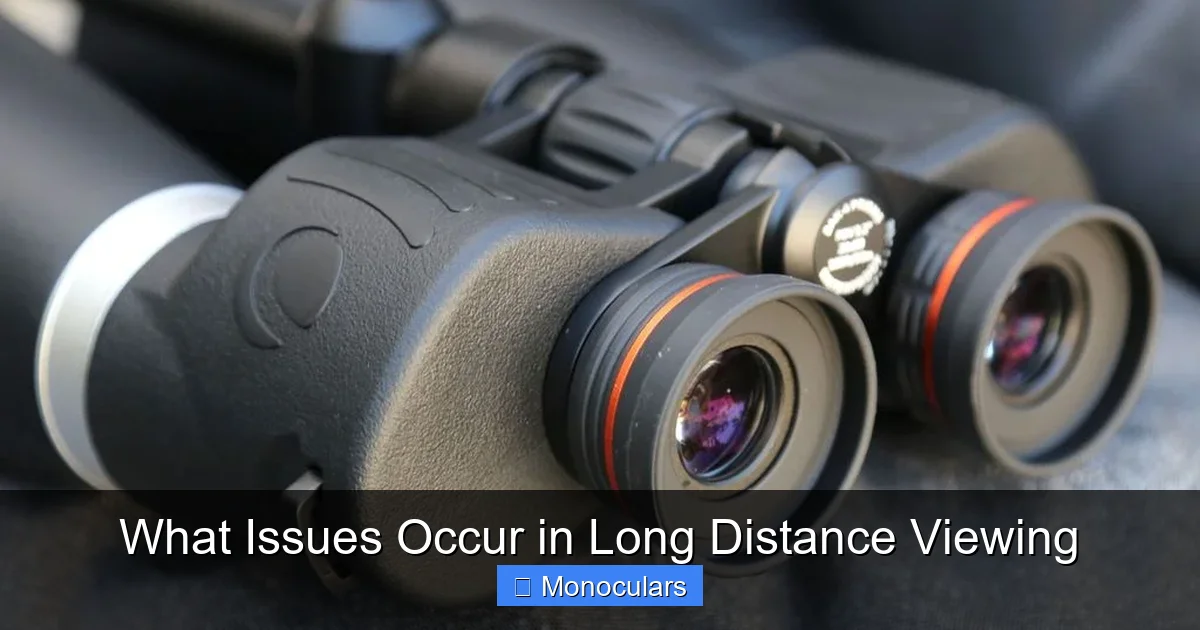
Visual guide about What Issues Occur in Long Distance Viewing
Image source: cdn.mos.cms.futurecdn.net
Lighting plays a huge role in how well you can see distant objects. Even the best monocular can’t perform well in poor lighting. Low light—such as at dawn, dusk, or under heavy cloud cover—reduces the amount of light reaching your eyes, making images dimmer and less detailed. On the flip side, bright sunlight can cause glare, especially when viewing reflective surfaces like water, snow, or metal.
Backlighting is another common issue. If the sun is behind your target, the object may appear as a dark silhouette, making it hard to see details. For instance, trying to identify a bird perched on a tree with the sun directly behind it can leave you squinting at a shadowy shape. Similarly, viewing into the sun can cause lens flare, reducing contrast and clarity.
Tips for Better Lighting
To improve visibility, position yourself so the light comes from behind you or the side. Use a monocular with high light transmission—look for models with multi-coated or fully multi-coated lenses. These coatings reduce reflections and allow more light to pass through, brightening the image. In low-light conditions, choose a monocular with a larger objective lens (42mm or more), as it gathers more light. And don’t forget sunglasses with polarized lenses can help reduce glare when scanning bright environments.
Image Shake and Instability: The Handheld Challenge
If you’ve ever tried using a monocular while standing or walking, you’ve probably noticed how hard it is to keep the image steady. Even slight hand movements are magnified at high zoom levels, causing the image to jump around. This is known as image shake, and it’s one of the most frustrating issues in long distance viewing—especially when you’re trying to focus on a small, moving target like a bird in flight.
The problem gets worse with higher magnification. A 10x monocular will show more shake than a 6x one. And if you’re tired, cold, or holding the monocular for a long time, your hands may naturally tremble more. This not only makes viewing difficult but can also cause eye strain and headaches after prolonged use.
How to Stabilize Your View
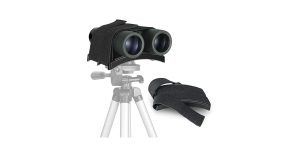
The best solution is to use a tripod or monopod with your monocular. Many models come with tripod adapters or are compatible with standard mounts. Resting your elbows on a solid surface—like a rock, tree, or car window—can also help reduce shake. If you must go handheld, try bracing your arm against your body or using a strap to support the weight. Some advanced monoculars come with built-in image stabilization (like gyroscopic systems), which actively reduces shake—though these tend to be more expensive.
Magnification Limits: More Isn’t Always Better
It’s tempting to think that higher magnification means better viewing. But in reality, pushing the zoom too far can actually make things worse. Every monocular has a practical magnification limit, beyond which image quality degrades. At very high magnifications, small imperfections in the lens, air turbulence, and hand shake become much more noticeable.
For example, a 15x monocular might sound impressive, but if the lens quality isn’t top-notch, the image could be soft, dim, or full of chromatic aberration (color fringing). Also, high magnification narrows the field of view, making it harder to locate and track moving objects. You might zoom in on a distant deer, only to lose it when it takes a single step.
Finding the Sweet Spot
For most long distance viewing, a magnification between 8x and 10x offers the best balance of detail, brightness, and stability. If you need more zoom, consider a monocular with variable magnification (like 8-24x), so you can adjust as needed. But remember: clarity beats power. A sharp, bright image at 8x is far more useful than a blurry one at 20x.
Lens Quality and Coatings: The Hidden Heroes
Not all monoculars are created equal. The quality of the lenses and the coatings applied to them can make a huge difference in image clarity. Cheap monoculars often use lower-grade glass and minimal coatings, resulting in dull, low-contrast images with poor color accuracy. In contrast, high-quality optics use premium glass (like ED or HD glass) and multiple layers of anti-reflective coatings to maximize light transmission and reduce glare.
Lens coatings are especially important in long distance viewing. Fully multi-coated lenses reflect less light and allow more to reach your eye, which is crucial in low-light conditions. They also improve color fidelity and reduce flare. Without good coatings, you might see a washed-out image with poor contrast, making it hard to distinguish details like feather patterns on a distant bird or text on a faraway sign.
What to Look For
When shopping for a monocular, check the product description for terms like “fully multi-coated,” “phase-corrected prisms,” or “ED glass.” These indicate higher optical quality. Avoid models that only mention “coated” or “multi-coated” without specifying “fully.” Also, consider the prism type—roof prisms are more compact, while porro prisms often offer better depth and clarity, though they’re bulkier.
Eye Relief and Focus Issues: Comfort Matters
Even with perfect optics, you won’t get a clear view if the monocular doesn’t fit your eyes properly. Eye relief—the distance between your eye and the eyepiece where you can see the full image—is critical, especially for eyeglass wearers. If the eye relief is too short, you’ll only see a small circle of the image (called a “tunnel view”), which is frustrating and limits your field of view.
Focus is another common issue. Some monoculars have stiff or imprecise focus wheels, making it hard to get a sharp image quickly. Others may lose focus if bumped or adjusted accidentally. And if you’re switching between viewing distances—like from a nearby tree to a distant mountain—constant refocusing can be tiring.
Getting the Right Fit
Look for a monocular with long eye relief (15mm or more) if you wear glasses. Many models come with twist-up or fold-down eyecups to accommodate different users. For focus, choose a monocular with a smooth, precise focus wheel. Some high-end models offer dual-focus systems—one for quick adjustment and another for fine-tuning—which is great for long distance viewing where precision matters.
Weather and Environmental Challenges
Finally, don’t forget about the weather. Fog, rain, snow, and dust can all interfere with long distance viewing. Fog scatters light, reducing visibility to just a few hundred feet. Raindrops on the lens can blur the image, and snow can create a whiteout effect. Even light mist or haze can soften distant objects, making them harder to identify.
Wind can also be a problem—not just for stability, but for comfort. Holding a monocular in strong wind can make your arms tired and increase shake. And in cold weather, your fingers may stiffen, making it harder to adjust focus or hold the device steady.
Preparing for the Elements
Always carry a microfiber cloth to clean your lens in the field. Consider a monocular with weather-resistant or waterproof housing, especially if you’re hiking, boating, or hunting. Use a lens hood or your hand to shield the eyepiece from rain or snow. And dress appropriately—keeping your body warm and stable helps you hold the monocular steady.
In conclusion, long distance viewing is rewarding but challenging. From atmospheric distortion to lighting, shake, and weather, many factors can affect your experience. But with the right knowledge and gear—like a high-quality monocular and smart viewing techniques—you can overcome these issues and enjoy crisp, clear views of the world beyond. Whether you’re spotting wildlife, watching a sunset, or exploring the night sky, understanding what issues occur in long distance viewing puts you one step ahead.
Frequently Asked Questions
Why does my monocular image look wavy or blurry on hot days?
This is usually caused by atmospheric distortion. Heat rising from the ground creates air turbulence that bends light, making distant objects appear shimmering or out of focus. Viewing in the early morning or late evening can help reduce this effect.
Can I use a monocular in low light conditions?
Yes, but performance depends on the monocular’s lens size and coatings. Models with larger objective lenses (42mm or more) and fully multi-coated lenses gather more light and perform better in dim conditions like dawn or dusk.
Why is my image shaky when using a monocular?
Image shake happens because even small hand movements are magnified at high zoom. Using a tripod, bracing your arms, or choosing a monocular with image stabilization can greatly reduce this issue.
Is higher magnification always better for long distance viewing?
Not necessarily. High magnification can amplify blur, reduce brightness, and narrow the field of view. A magnification of 8x to 10x often provides the best balance of clarity and stability for most users.
How do lens coatings improve monocular performance?
Lens coatings reduce reflections and increase light transmission, resulting in brighter, sharper images with better color and contrast. Fully multi-coated lenses offer the best performance, especially in low light.
What should I do if I wear glasses and use a monocular?
Choose a monocular with long eye relief (15mm or more) and adjustable eyecups. This allows you to see the full image clearly without removing your glasses, ensuring comfort and clarity during long viewing sessions.