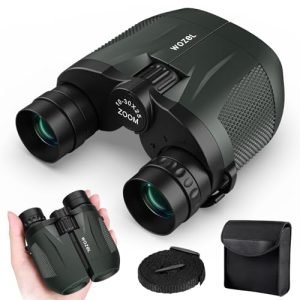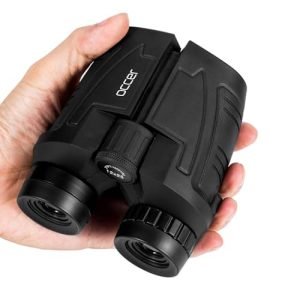
Have you ever wondered how professionals keep a close watch on important situations without being noticed? The secret often lies in a simple yet powerful tool: binoculars.
When it comes to tactical surveillance, binoculars play a crucial role in helping you see far, stay hidden, and gather vital information. If you want to understand how these devices can boost your observation skills and improve your safety and effectiveness, keep reading.
This article will reveal the key ways binoculars make a difference in tactical surveillance—and why you shouldn’t overlook them.
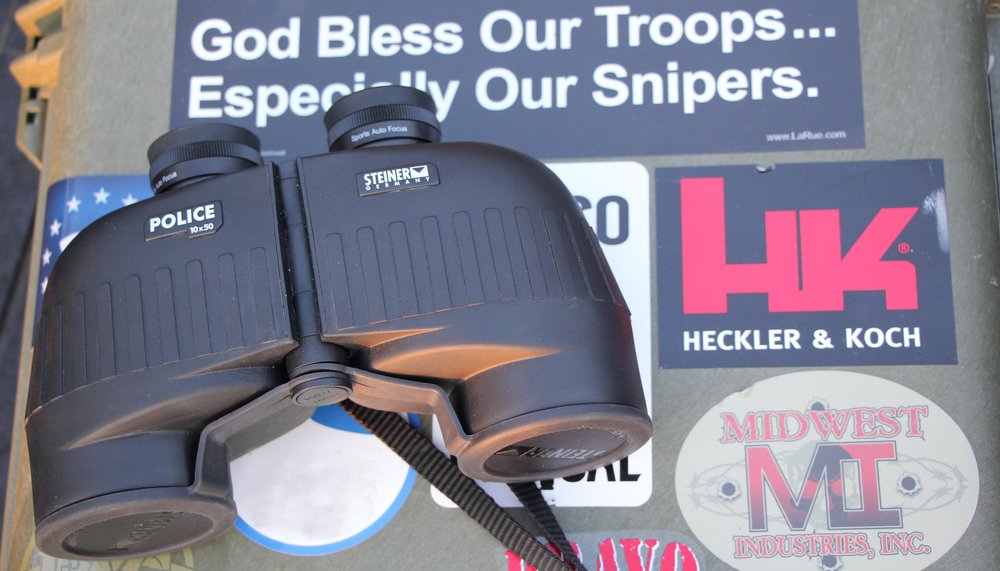
Credit: www.transientoutdoorsman.com
Tactical Surveillance Basics
Tactical surveillance involves watching targets closely to gather important information. Binoculars help by making distant objects clear and detailed.
Using binoculars correctly improves the chance to see threats early and stay safe during operations.
Key Objectives
The main goals in tactical surveillance are to observe without being noticed and to collect accurate data. Binoculars support these goals by providing clear views from a distance.
- Enhance long-range vision
- Identify potential threats early
- Maintain stealth during observation
- Record detailed information about targets
- Support communication with team members
Common Challenges
Surveillance teams face several challenges when using binoculars. These include difficulty in low light, hand shaking, and limited field of view.
| Challenge | Impact |
| Low light conditions | Reduces visibility and detail |
| Hand tremors | Makes images blurry and hard to focus |
| Limited field of view | Forces frequent repositioning |
| Weather effects | Fog and rain obscure vision |
| Weight of binoculars | Causes fatigue during long use |
Binoculars In Field Operations
Binoculars play an important part in tactical surveillance. They help soldiers see far away objects clearly. This tool is useful in many field operations.
Using binoculars, teams can watch areas without moving closer. They keep people safe and give a better view of the surroundings.
Enhanced Visual Range
Binoculars increase the visual range for soldiers. They allow seeing objects at a distance that the naked eye cannot reach.
- Detect movement far away
- Spot hidden threats early
- Watch large areas quickly
- Monitor enemy positions safely
Improved Target Identification
Clear identification of targets is vital. Binoculars help to distinguish between friend and foe from a distance.
| Feature | Benefit |
| Magnification | See small details on targets |
| Lens Quality | Clear and sharp images |
| Field of View | Wide area for scanning |
| Durability | Work well in tough conditions |
Features Of Tactical Binoculars
Tactical binoculars play a key role in surveillance tasks. They provide clear views of distant objects and areas. Choosing the right features is important for effective use.
This guide explains the main features of tactical binoculars. Understanding these helps users pick the best tool for their needs.
Magnification And Lens Quality
Magnification lets you see far objects in detail. Lens quality affects the clarity and brightness of the image. High-quality lenses reduce glare and improve focus.
- Magnification power usually ranges from 6x to 12x
- Wide lenses allow more light, giving brighter images
- Coated lenses reduce reflections and increase sharpness
- Adjustable focus helps to view objects at different distances
Durability And Weather Resistance
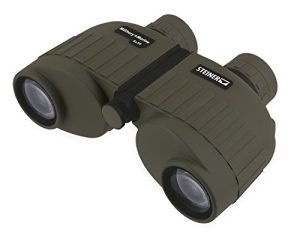
Tactical binoculars must work in tough conditions. They need to resist water, dust, and shock. Strong materials keep them safe during rough use.
| Feature | Description |
| Waterproof | Seals keep water out during rain or wet use |
| Shockproof | Shock absorption protects internal parts from drops |
| Fog proof | Sealed and nitrogen-filled to prevent fog inside lenses |
| Rugged build | Strong rubber coating for grip and damage resistance |
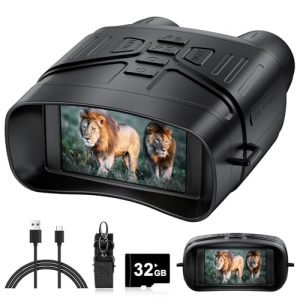
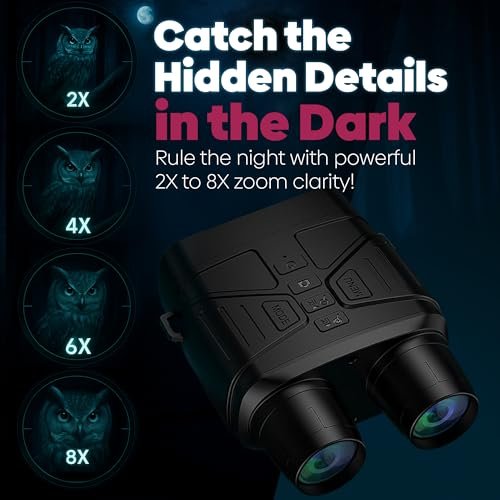
Night Vision Capabilities
Night vision helps see in low light or darkness. Many tactical binoculars include this feature for round-the-clock surveillance.
Common night vision features include:
- Infrared illumination to light dark areas
- Image enhancement technology for clearer night images
- Battery-powered operation for portable use

Credit: www.shutterstock.com
Choosing The Right Binoculars
Binoculars play a key role in tactical surveillance. Picking the right pair can improve observation and safety. It is important to consider several factors before making a choice.
Size, weight, optical quality, and extra features all affect binocular performance. These factors impact how well you can see and carry the binoculars during missions.
Size And Weight Considerations
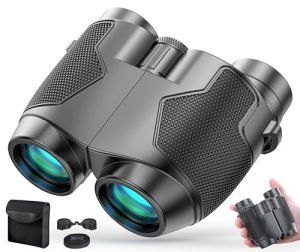
Lightweight binoculars are easier to carry for long periods. Compact sizes fit better in packs or pockets. But smaller binoculars may have lower image quality. Larger models offer better views but are heavier.
- Choose light binoculars if mobility is important.
- Pick compact models for easy storage.
- Use larger binoculars when image clarity is a priority.
Optical Performance
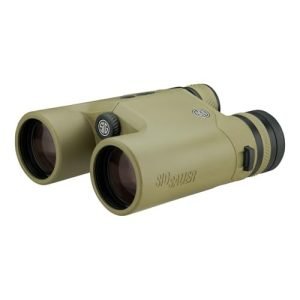
Clear images help spot details at a distance. Look for binoculars with good magnification and wide lenses. Lens coatings reduce glare and improve light transmission. High-quality optics ensure sharper views in low light.
| Feature | Benefit |
| Magnification (8x to 12x) | Clearer and closer view of distant objects |
| Objective Lens Diameter | More light for brighter images |
| Lens Coatings | Less glare and better color accuracy |
Additional Functionalities
Extra features can enhance binocular use during surveillance. Weatherproof and fog-resistant models work well in tough environments. Built-in rangefinders or compasses add useful information. Adjustable eyecups improve comfort for users with glasses.
- Waterproof and fog-proof for all conditions
- Rangefinders for distance measurement
- Compasses for navigation help
- Adjustable eyecups for eye comfort
Tech Integration In Surveillance
Binoculars play a key role in tactical surveillance. They help operators see distant objects clearly. Technology has improved these tools greatly.
Modern binoculars now include digital features. These features make surveillance more effective and data easier to use.
Digital Enhancements
Digital technology adds many useful features to binoculars. Night vision lets users see in the dark. Range finders measure distance to targets. Image stabilization reduces shake for clearer views.
- Night vision sensors
- Built-in GPS tracking
- Digital zoom capabilities
- Image stabilization technology
- Thermal imaging options
Recording And Sharing Data
Modern binoculars can record video and take photos during surveillance. This data helps review missions and share important information quickly with teams.
| Feature | Benefit |
| Video recording | Captures live action for later review |
| Photo capture | Documents key moments or targets |
| Wi-Fi/Bluetooth | Allows quick data transfer to other devices |
| Cloud storage | Enables secure, remote access to files |
Training For Effective Use
Using binoculars well in tactical surveillance needs practice. Training helps users see clearly and act fast. Proper skills make a big difference in fieldwork.
This training focuses on skill development and operational tactics. Both are key to getting the best results from binoculars.
Skill Development
Skill development teaches users how to handle binoculars with care and precision. Training covers focus adjustment, lens cleaning, and steady hand techniques.
- Learn to adjust focus quickly for clear vision
- Practice steady holding to avoid blurry images
- Understand light conditions and how to adapt
- Maintain binoculars to ensure long-term use
- Train eye coordination for better depth perception
Operational Tactics
Operational tactics focus on how and when to use binoculars in real missions. Training covers positioning, timing, and communication.
| Aspect | Training Focus | Benefit |
| Positioning | Learn to find safe and hidden spots | Better observation without detection |
| Timing | Practice observing at the right moment | Capture important details |
| Communication | Use signals to share information silently | Keep team coordinated and safe |
| Environmental Awareness | Understand terrain and weather effects | Adjust tactics for best results |
Case Studies And Real-world Use
Binoculars serve a crucial role in tactical surveillance. They help users see distant objects clearly in various environments.
This section explores how binoculars are used in military and law enforcement cases. Real examples show their importance in the field.
Military Applications
Soldiers use binoculars to spot enemies and observe terrain. They increase safety by allowing early threat detection.
- Scouts use binoculars for long-range observation.
- Snipers rely on them to identify targets from a distance.
- Commanders monitor troop movements and battlefield changes.
- Night vision binoculars assist in low-light conditions.
One case involved a reconnaissance team spotting enemy vehicles from miles away. Binoculars helped the team avoid ambushes and plan their moves.
Law Enforcement Scenarios
Police and special units use binoculars for surveillance and crowd monitoring. They help maintain safety without being noticed.
| Scenario | Binocular Use | Outcome |
| Stakeout | Observe suspects from a distance | Gathered evidence without alerting suspects |
| Search and Rescue | Spot missing persons in rough terrain | Found individuals faster and safer |
| Riot Control | Monitor crowd behavior from afar | Prevented escalation with early warnings |
In one example, officers spotted a suspect escaping through a park. Using binoculars, they tracked movements and coordinated a safe arrest.

Credit: cdjygx.en.made-in-china.com
Frequently Asked Questions
What Makes Binoculars Essential For Tactical Surveillance?
Binoculars provide enhanced vision at long distances. They offer clarity, depth perception, and quick target identification. This helps operatives monitor areas discreetly and gather accurate intelligence efficiently.
How Do Binoculars Improve Tactical Situational Awareness?
Binoculars allow users to observe surroundings in detail from a safe distance. They reveal hidden threats and movements, enhancing decision-making and operational safety during missions.
What Features Should Tactical Binoculars Have?
Tactical binoculars must be durable, lightweight, and weather-resistant. They should offer high magnification, clear optics, and night vision capabilities for versatile surveillance conditions.
Can Binoculars Be Used For Night Surveillance?
Yes, specialized tactical binoculars include night vision or low-light features. These enable clear observation in darkness, crucial for covert operations and 24/7 monitoring.
Conclusion
Binoculars play a vital role in tactical surveillance. They enhance vision over long distances. They help in identifying targets accurately. Their portability makes them convenient for field operations. Quality optics provide clear and detailed images. Night vision binoculars work well in low light conditions.
They contribute to mission success by offering essential information. Binoculars are versatile and useful tools for surveillance teams. They support strategic planning and decision-making. Choosing the right binoculars boosts efficiency in surveillance tasks. Their role is crucial in ensuring safety and success in operations.