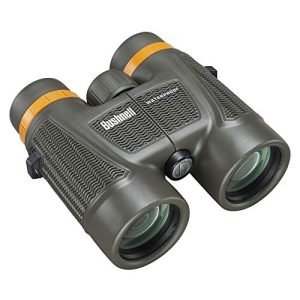
When you rely on military binoculars, durability isn’t just a bonus—it’s a must. You need gear that stands up to tough conditions, harsh weather, and rough handling without failing you.
But how tough are these binoculars really? What makes them different from regular ones? You’ll discover exactly how durable military binoculars are, what features protect them, and why choosing the right pair can make all the difference in your performance and safety.
Keep reading to learn what sets military binoculars apart and how they hold up when it matters most.
Credit: www.marketreportanalytics.com
Durability Factors
Military binoculars must be strong to work well in tough places. Their durability depends on several key factors.
These factors help binoculars last long and keep working in hard conditions.
Materials Used
Military binoculars use tough materials to resist damage. Metals like aluminum or magnesium are common for frames.
These metals are light but strong. Rubber coatings cover the binoculars to protect against drops and shocks.
- Aluminum and magnesium alloys for frame strength
- Rubber armor for impact protection
- Glass lenses with special coatings for clarity and scratch resistance
Build Quality
Good build quality means binoculars hold together well under stress. Parts must fit tightly and not break easily.
Strong hinges and secure lenses improve durability. Military models often have reinforced joints to avoid damage.
- Precision assembly to avoid loose parts
- Reinforced hinges and joints
- Sealed eyepieces to protect internal parts
Weather Resistance
Military binoculars must work in rain, dust, and extreme temperatures. Weather resistance helps keep them safe.
Many binoculars are waterproof and fog-proof. This stops water or fog from damaging lenses or inside parts.
- Waterproof seals to keep moisture out
- Fog-proof design with nitrogen or argon gas filling
- Durable coatings to resist dust and dirt
Impact Resistance
Military binoculars need to be very strong. They face many tough conditions in the field.
Impact resistance helps these binoculars last longer. It protects them from damage.
Shock Absorption
Shock absorption reduces damage from sudden hits. It keeps the binoculars working well.
Many military binoculars use rubber coatings or special materials. These parts absorb strong shocks.
- Rubber armor covers the body
- Internal padding protects lenses and prisms
- Flexible parts reduce vibration effects
Drop Tests
Drop tests check how well binoculars survive falls. They help ensure durability in real use.
Military binoculars go through many drop tests. These tests include drops from different heights and angles.
- Drops from about 1 to 2 meters are common
- Tests simulate accidental drops in the field
- Only binoculars that pass these tests get approved
Rugged Design Features
Rugged design adds extra protection to military binoculars. It helps them resist impact and rough use.
These features include strong housing and sealed parts. They keep dirt, water, and shocks out.
- Hard metal or reinforced plastic body
- Waterproof and dustproof seals
- Textured grips to prevent slipping
Waterproof And Fogproof Capabilities
Military binoculars must work well in wet and foggy places. Their durability depends on being waterproof and fogproof. These features help soldiers see clearly in tough weather.
Waterproof and fogproof binoculars stay clear and dry inside. This keeps the view sharp and reliable during missions.
Sealing Techniques
Sealing stops water and dust from getting inside binoculars. Strong seals protect lenses and internal parts. This helps keep the binoculars working well.
- Rubber gaskets block water entry
- O-rings seal joints tightly
- Sealed eyepieces prevent moisture
- Waterproof coatings add extra protection
Nitrogen Purging
Nitrogen purging removes air inside the binoculars. This stops fog from forming on the lenses. Nitrogen gas does not hold moisture, keeping the inside dry.
| Benefit | Effect on Binoculars |
|---|---|
| Prevents fogging | Clear vision in cold or humid conditions |
| Protects against corrosion | Longer lifespan of internal parts |
| Maintains optical clarity | Consistent image quality |
Performance In Harsh Conditions
Binoculars must handle rain, snow, dust, and extreme temperatures. Their waterproof and fogproof features ensure they work in these conditions.
- Resist water damage during heavy rain
- Prevent fog when moving between cold and warm areas
- Stop dust from entering in desert or windy places
- Operate well in freezing or hot climates
Lens Protection
Military binoculars need strong lens protection for long use. The lenses face rough conditions. Dust, moisture, and impacts can harm them.
Good lens protection keeps clear vision and extends the binoculars’ life. It helps soldiers rely on their gear in tough places.
Coating Technologies
Special coatings on lenses improve durability. They reduce glare and resist water and oil. These coatings also protect against scratches and dust.
- Anti-reflective coatings increase light transmission
- Water-repellent coatings prevent fog and moisture
- Oil-resistant coatings keep lenses clean
- Multi-layer coatings improve image clarity and toughness
Scratch Resistance
Military binocular lenses often have hard surfaces to avoid scratches. These surfaces keep the glass smooth and clear for a long time.
| Scratch Resistance Feature | Benefit |
| Hard Coating | Protects against small scratches and abrasions |
| Tempered Glass | Increases lens strength and durability |
| Polycarbonate Lens Material | Offers impact resistance with scratch protection |
Lens Covers And Shields
Lens covers and shields protect lenses when not in use. They block dirt, dust, and direct hits. Covers are easy to remove and replace quickly.
- Flip-up lens caps for fast access
- Soft padded covers for storage protection
- Rubber shields that absorb shocks
- Protective cases that guard the whole binocular
Field Performance
Military binoculars must perform well in tough field conditions. Their durability is key to reliable use.
Strong materials and design help these binoculars work in many situations. This ensures clear vision for soldiers.
Use In Extreme Temperatures
Military binoculars face very cold or hot weather. Their parts resist damage from these extremes.
- Sealed lenses prevent fogging in cold weather
- Special coatings protect from heat damage
- Durable rubber armor stays flexible in cold
- Internal components resist freezing or overheating
Operational Reliability
Reliable binoculars give steady views during missions. They keep focus and clarity under stress.
| Feature | Benefit |
| Shockproof frame | Survives drops and bumps |
| Waterproof design | Works in rain and wet conditions |
| Anti-reflective lenses | Clear vision in bright light |
| Fog-proof inside | Visibility in humid or cold air |
Maintenance And Care
Proper care keeps military binoculars working longer. Cleaning and storage matter.
- Use soft cloths to clean lenses
- Store in dry, padded cases
- Avoid harsh chemicals on surfaces
- Check seals regularly for damage
- Handle carefully to prevent drops
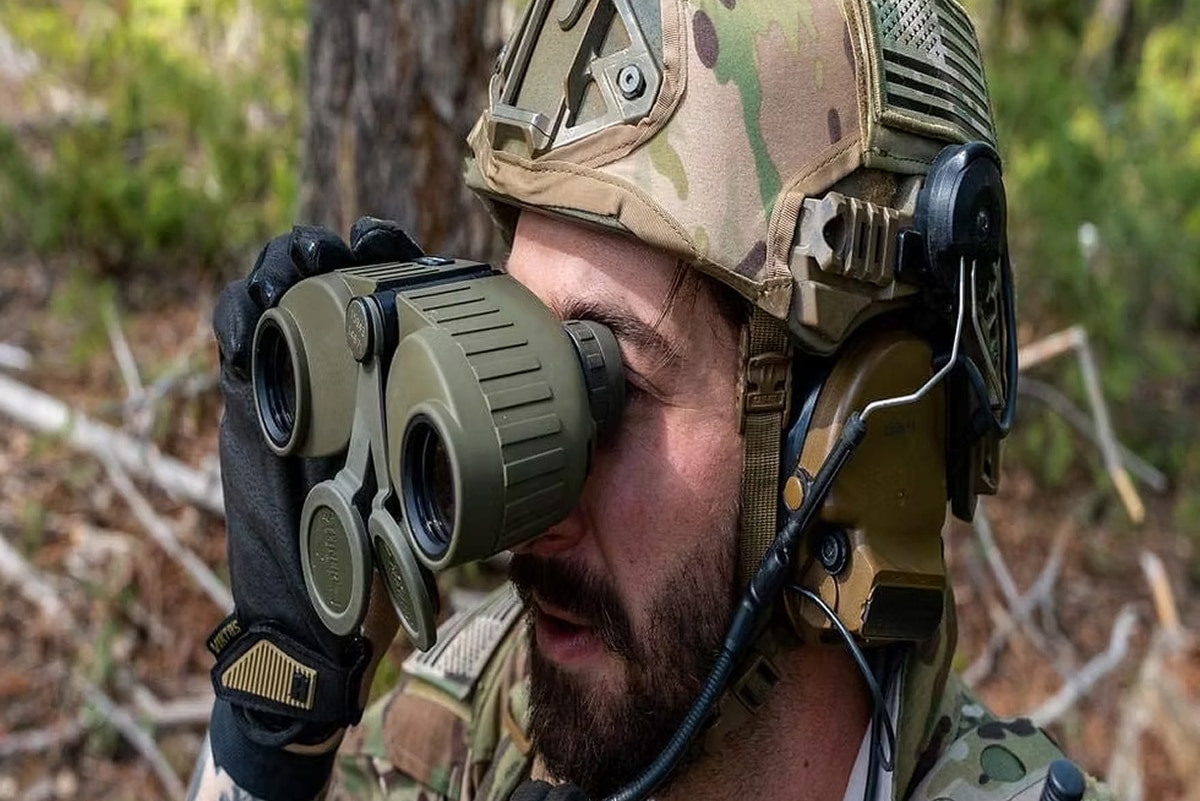
Credit: www.vemistar.com
Comparing Military And Civilian Binoculars
Military and civilian binoculars look alike but differ in durability. Military binoculars must work in tough conditions. Civilian binoculars often focus on clarity and comfort.
This article explains how durability, cost, and user needs vary between these two types.
Durability Differences
Military binoculars are built to resist shocks, water, dust, and extreme temperatures. Civilian models may have some protection but not to the same level. The military uses stronger materials and seals.
- Military binoculars use reinforced metal or tough plastics.
- They have waterproof and fog-proof features.
- Civilian binoculars may have plastic parts and less sealing.
- Military devices pass strict quality tests for rough use.
Cost Vs. Strength
Military binoculars cost more due to their strong build and testing. Civilian binoculars are cheaper but less durable. The price often reflects the level of protection.
| Feature | Military Binoculars | Civilian Binoculars |
| Material Quality | High strength metals and composites | Standard plastics and metals |
| Water Resistance | Fully waterproof | Water-resistant or none |
| Shock Resistance | High, tested for drops | Low to moderate |
| Price Range | High | Low to moderate |
User Expectations
Military users expect binoculars to survive harsh battles and weather. Civilian users want good optics for travel, sports, or bird watching. These needs shape the design of each type.
Military Users:
- Need tough, reliable equipment
- Use binoculars in all weather
- Require long-lasting performance
Civilian Users:
- Focus on clear images
- Prefer lightweight and easy to carry
- Use binoculars in mild conditions
Testing Standards
Military binoculars must be very strong and reliable. They go through strict tests to prove their toughness.
Testing standards check if binoculars can work in tough places and last long under stress.
Military Specifications
Military specifications set the rules for binocular durability. They include rules for shock, water, and dust resistance.
These specs make sure the binoculars survive drops, rain, and dirt without breaking.
- Shock resistance to survive impacts
- Waterproof to work in rain or wet places
- Dustproof to prevent dirt inside lenses
- Temperature tolerance for hot and cold
Industry Certifications
Industry certifications prove binoculars meet quality and durability standards. They come from trusted organizations.
These certifications show that the binoculars passed tests and are fit for military use.
- IP ratings for water and dust protection
- MIL-STD-810 for environmental durability
- CE marking for safety and health standards
Field Testing Procedures
Field tests check how binoculars work in real outdoor conditions. Soldiers use them in different environments.
These tests include using binoculars in rain, dust, heat, and rough handling to see if they keep working well.
- Testing in wet and dry weather
- Dropping from set heights to check damage
- Using in high dust or sand areas
- Operating in hot and cold temperatures

Credit: www.amazon.ca
Frequently Asked Questions
What Materials Ensure Military Binoculars’ Durability?
Military binoculars use rugged materials like aluminum, rubber, and polycarbonate. These protect against shocks, water, dust, and extreme temperatures, ensuring long-lasting performance in tough environments.
How Waterproof Are Military Binoculars?
Most military binoculars are fully waterproof and sealed with O-rings. This prevents water, dust, and debris from entering, making them reliable in rainy, wet, and humid conditions.
Can Military Binoculars Withstand Rough Handling?
Yes, military binoculars are designed to endure drops and heavy impacts. Their shockproof construction and reinforced housing protect internal optics and mechanisms during rough use.
How Do Military Binoculars Resist Fogging Inside Lenses?
Military binoculars are nitrogen or argon purged and sealed. This prevents internal fogging caused by temperature changes, ensuring clear vision in cold or humid environments.
Conclusion
Military binoculars are designed for tough conditions. They offer reliable durability and performance. Built to withstand harsh environments, they resist water, dust, and shocks. High-quality materials ensure long-lasting use. They provide clear vision in demanding situations. These features make them a smart choice for outdoor enthusiasts.
Their sturdy design ensures they last through rugged adventures. Investing in military binoculars means choosing durability. It means choosing equipment that stands the test of time. Whether for hiking or birdwatching, their resilience serves you well. With proper care, they remain a valuable tool for years.
Make an informed choice and enjoy reliable performance.