Are you confused about choosing between roof prism and Porro prism binoculars? You’re not alone.
Picking the right binoculars can make a huge difference in your viewing experience, whether you’re birdwatching, hiking, or attending a sports event. Understanding the key differences between these two types will help you find the perfect pair that fits your needs and budget.
Keep reading, and you’ll discover which binoculars suit your style and why one might work better for you than the other. Don’t miss out on making an informed choice that enhances every view you enjoy!
Roof Prism Design
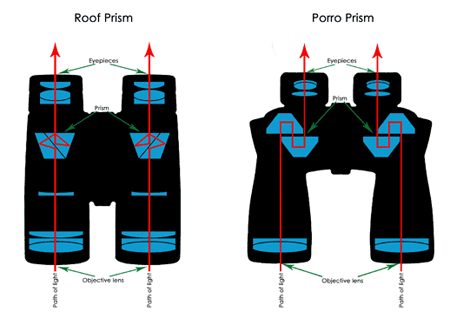
Roof prism binoculars have a unique design that differs from Porro prism types. Their prisms align in a straight line, allowing for a more compact shape. This design affects how the binoculars look and function.
Understanding the roof prism design helps to know its advantages and how it compares to other binocular styles. This guide focuses on key features like shape, barrel design, and alignment precision.
Compact Shape
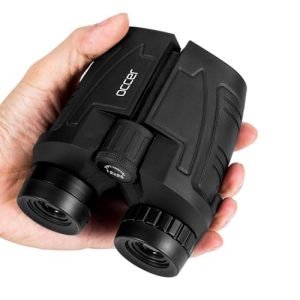
Roof prism binoculars have a slim and compact body. The straight prism design allows the barrels to sit close together. This makes them easier to carry and store.
- Smaller and lighter than Porro prism binoculars
- Easier to hold steady with one hand
- Fits better in bags and pockets
- More stylish and modern look
Straight Barrel
The barrels of roof prism binoculars are straight and aligned. This differs from the offset barrels in Porro prism binoculars. The straight barrel makes the binoculars more streamlined.
| Feature | Roof Prism | Porro Prism |
|---|---|---|
| Barrel Shape | Straight | Offset |
| Size | Compact | Bulky |
| Weight | Lighter | Heavier |
| Durability | More prone to misalignment | More rugged |
Alignment Precision
Roof prism binoculars need precise alignment of their prisms. Small misalignments can reduce image quality. This makes manufacturing more complex and usually costs more.
Key points about alignment in roof prism binoculars:
- Prisms must be perfectly aligned to avoid blurry images.
- Roof prism design requires special coatings to improve light transmission.
- Careful assembly ensures a sharp and clear view.
- Regular maintenance can help keep the alignment intact.
Porro Prism Design
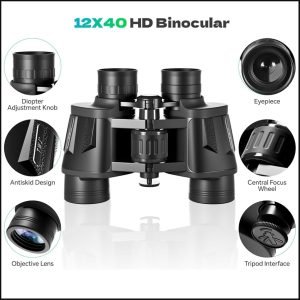
Porro prism binoculars use a unique prism design to reflect light. This design offers clear images with good depth perception. It differs from roof prism binoculars in shape and optical path.
The Porro prism design is known for its distinct shape and several advantages. Let’s explore some key features.
Offset Barrel
Porro prism binoculars have barrels that are offset, not straight. This means the eyepieces and objective lenses do not line up perfectly. The offset barrels create a zigzag shape.
The offset design helps increase the distance between lenses. This distance improves depth perception and image quality.
Wider Field Of View
One main advantage of Porro prism binoculars is their wider field of view. This means you see more area through the binoculars without moving them.
- Great for bird watching and sports
- Easier to spot moving objects
- Offers better panoramic views
Classic Appearance
| Feature | Description |
| Shape | Offset barrels with a zigzag form |
| Size | Usually bulkier than roof prism binoculars |
| Material | Often made with durable plastic or metal |
| Look | Traditional, vintage style |
Optical Performance
Roof prism and Porro prism binoculars differ in how they process light and images. These differences affect their optical performance.
Understanding image quality, light transmission, and depth perception helps choose the right binoculars for your needs.
Image Quality
Porro prism binoculars often provide better image quality. Their design allows for wider spacing between lenses. This results in more natural and clearer images.
Roof prism binoculars have a straighter design. This can cause slight image distortions if the prisms are not perfectly aligned. High-quality roof prisms reduce this issue.
Light Transmission
Light transmission affects brightness and clarity. Porro prism binoculars typically have better light transmission. Their design has fewer glass surfaces that reflect light.
- Porro prism binoculars allow more light to reach your eyes.
- Roof prism binoculars use coatings to improve light transmission.
- Higher quality roof prisms can match Porro prisms in brightness.
Depth Perception
Depth perception is how well you see distance and three-dimensional detail. Porro prism binoculars usually offer better depth perception. Their wider lens spacing gives a stronger 3D effect.
| Binocular Type | Lens Spacing | Depth Perception |
| Porro Prism | Wider | Better 3D effect |
| Roof Prism | Narrower | Less 3D effect |

Credit: www.youtube.com
Durability And Build
Roof prism and Porro prism binoculars differ in durability and build. These differences impact how they handle rough use and outdoor conditions.
Understanding these factors helps in choosing binoculars fit for your needs and environment.
Waterproofing
Both roof prism and Porro prism binoculars can be waterproof. Waterproofing stops water from damaging internal parts.
Roof prism binoculars often have better seals because of their straight design. This makes them more reliable in wet conditions.
- Roof prism binoculars usually have tighter seals
- Porro prism binoculars may have more gaps
- Waterproofing quality depends on the model, not just design
Shock Resistance
Shock resistance means how well binoculars survive drops or bumps. Roof prism binoculars have a compact shape that adds strength.
Porro prism binoculars have a wider shape. This can make them more fragile if dropped or hit.
- Roof prism binoculars are usually more shock resistant
- Porro prism binoculars need extra care to avoid damage
- Shock resistance also depends on padding and casing
Materials Used
Both types use strong materials like rubber and metal for durability. Rubber coatings protect against scratches and shocks.
Roof prism binoculars often use lighter materials to keep weight low. Porro prism models may use heavier parts due to their shape.
- Rubber armoring is common on both types
- Metal bodies improve strength but add weight
- Roof prism binoculars focus on light, strong materials
- Porro prism binoculars may use bulkier materials
Size And Weight
Roof prism and Porro prism binoculars differ in size and weight. These differences affect how easy they are to carry and use.
Understanding these differences helps you choose the right binoculars for your needs.
Portability
Roof prism binoculars are smaller and lighter. Their straight design makes them compact.
Porro prism binoculars are bulkier. Their zigzag shape makes them bigger and heavier.
- Roof prism bins fit easily in small bags or pockets
- Porro prism bins need larger bags due to size
- Roof prism bins are good for travel and hiking
- Porro prism bins may feel heavy on long trips
Handling Comfort
Roof prism binoculars feel lighter in hand. Their slim build helps with grip and quick use.
Porro prism binoculars can feel bulky. Their wider shape may need both hands for steady use.
- Roof prism bins are easier to hold for long periods
- Porro prism bins provide a wider view but can tire your hands
- Roof prism bins suit fast, one-handed use
- Porro prism bins are better for steady, stationary viewing
Cost Comparison
Choosing between roof prism and porro prism binoculars often involves looking at their costs. Price is a key factor for many buyers.
This section explains how their prices compare and the value for money each type offers.
Price Range
Porro prism binoculars usually cost less than roof prism models. This is because their design is simpler and cheaper to make.
| Binocular Type | Typical Price Range |
|---|---|
| Porro Prism | $50 – $300 |
| Roof Prism | $150 – $1000+ |
Value For Money
Porro prism binoculars give good image quality at lower prices. They work well for casual users and beginners.
- Lower cost due to simple design
- Wide field of view
- Bulkier and less compact
Roof prism binoculars cost more but offer compact size and better durability. They suit serious users who want lightweight gear.
- Higher price from complex design
- Compact and sleek shape
- Often weatherproof and rugged
Ideal Uses
Roof prism and Porro prism binoculars have different designs. These differences make each type better for certain activities. Choosing the right one depends on what you plan to use them for.
Understanding their ideal uses helps you pick binoculars that fit your needs well. Let’s look at how each type works for bird watching, hiking, and astronomy.
Bird Watching
Porro prism binoculars often give brighter and wider views. This helps see birds more clearly in their natural habitats. They show better depth and contrast, making it easier to spot details.
Roof prism binoculars are lighter and easier to carry. They are good if you move a lot while watching birds. Their slim shape fits better in bags and is less tiring to hold.
- Porro prism: Better image quality and depth
- Roof prism: Lightweight and compact for moving around
Hiking And Outdoor Activities
Roof prism binoculars are the top choice for hiking. They are smaller and more durable. Their waterproof and fog proof models suit tough outdoor conditions well.
Porro prism binoculars are bulkier and heavier. They can be harder to carry on long hikes. Still, they offer bright images if you don’t mind the extra weight.
- Roof prism: Compact, rugged, and easy to carry
- Porro prism: Bright views but heavier and bigger
Astronomy
Porro prism binoculars are popular for astronomy. Their wider view helps see stars and planets clearly. They also provide good light transmission, which is important in the dark.
Roof prism binoculars can be used for astronomy too. They are lighter and easier to hold steady. But they may not offer the same wide field of view as Porro prisms.
- Porro prism: Wide view and better light for night sky
- Roof prism: Lightweight and easier to hold steady
Credit: ascreations.store
Maintenance Tips
Taking care of your roof prism and Porro prism binoculars keeps them working well. Proper maintenance helps you see clearly every time.
Small habits can protect your binoculars from damage and dirt. Learn how to clean lenses and store your binoculars safely.
Cleaning Lenses
Clean lenses carefully to avoid scratches. Use only soft cloths made for optics, like microfiber cloths.
Do not use your shirt or paper towels. These materials can damage the lens coating.
- Blow dust off with a soft brush or air blower
- Use lens cleaning solution if needed
- Gently wipe in a circular motion
- Clean lenses only when dirty to avoid extra wear
Storage Suggestions
Store binoculars in a dry place to prevent mold and rust. Use the case that comes with your binoculars for extra protection.
Avoid places with extreme heat or cold. Keep them away from direct sunlight and moisture.
- Store binoculars with lens caps on
- Keep them in a padded case to protect from bumps
- Use silica gel packs to reduce moisture
- Check and clean binoculars before storing long term

Credit: zarimex.eu
Frequently Asked Questions
What Are Roof Prism Binoculars?
Roof prism binoculars have straight barrels with aligned lenses. They offer a compact, lightweight design and provide sharp, high-quality images. These binoculars are ideal for birdwatching and outdoor activities where portability matters most.
How Do Porro Prism Binoculars Differ In Design?
Porro prism binoculars have a zigzag shape with offset eyepieces and objective lenses. This design creates a wider field of view and better depth perception but tends to be bulkier and heavier than roof prism models.
Which Binoculars Provide Better Image Quality?
Both prism types deliver excellent image quality, but roof prism binoculars often produce sharper, brighter images due to modern coatings. Porro prisms excel in offering wider fields of view and better depth perception at a lower cost.
Are Porro Prism Binoculars More Affordable?
Yes, Porro prism binoculars generally cost less to manufacture. They offer great performance for casual users and beginners who want quality optics without high prices.
Conclusion
Choosing between roof prism and Porro prism binoculars depends on your needs. Roof prism binoculars offer a sleek design, ideal for easy handling. Porro prism binoculars deliver better depth perception and a wider field of view. Decide based on your specific activities like bird watching or hiking.
Consider the weight, size, and comfort during use. Both types have their unique benefits. Understanding these differences helps make an informed decision. Ultimately, pick the binoculars that best fit your lifestyle and viewing preferences. Enjoy your outdoor adventures with the right choice!