When it comes to choosing surveillance binoculars, one question often stands out: what is the best zoom range for your needs? The right zoom can make all the difference between missing crucial details and seeing everything clearly from a safe distance.
You want binoculars that give you sharp, clear images without making it hard to keep your target in view. You’ll discover how to find the perfect zoom range that fits your specific surveillance tasks. Keep reading, and you’ll learn exactly what to look for to make your observations sharper, easier, and more effective.
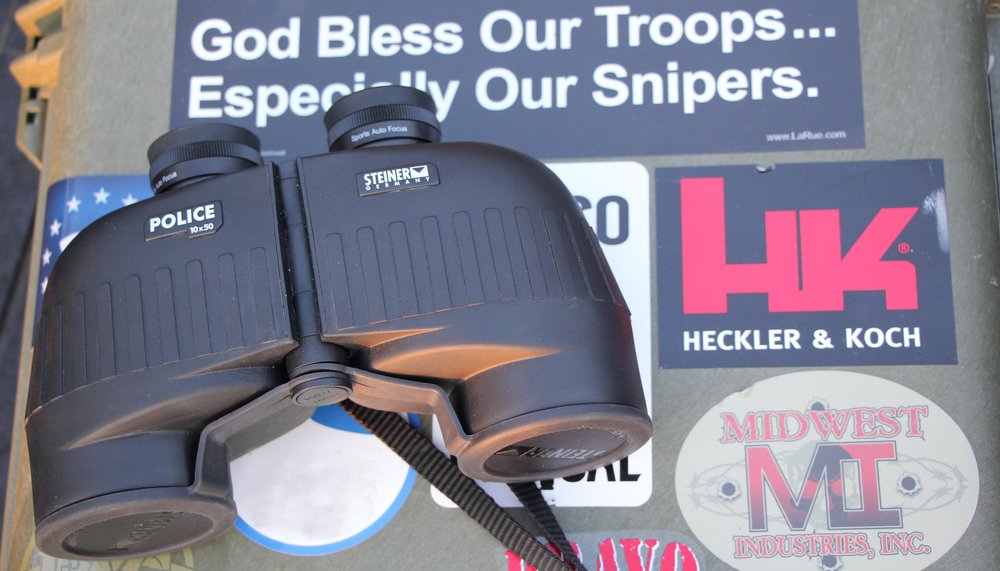
Credit: www.transientoutdoorsman.com
Zoom Range Basics
Choosing the best zoom range is important for surveillance binoculars. The zoom range affects how close and clear distant objects look. Understanding zoom basics helps you pick the right binoculars for your needs.
Zoom range defines how much you can magnify an image. Some binoculars have a fixed zoom, and others have a variable zoom. Each type has pros and cons to consider.
Fixed Vs. Variable Zoom
Fixed zoom binoculars offer one set magnification level. Variable zoom binoculars let you change the zoom from low to high power. Both types serve different surveillance needs.
- Fixed Zoom:Simple to use with steady focus.
- Variable Zoom:Flexible magnification for different distances.
- Fixed Zoom:Often lighter and more durable.
- Variable Zoom:Can be heavier and more complex.
Common Zoom Ratios
Zoom ratios show the range of magnification. For example, 8×42 means fixed 8 times zoom with 42 mm lenses. Variable zooms look like 8-24×50, meaning zoom changes from 8 to 24 times.
| Zoom Ratio | Description | Best For |
|---|---|---|
| 7x to 10x | Low fixed zoom | Wide view and quick scanning |
| 8x to 24x | Variable zoom | Close details at various distances |
| 10x to 30x | High variable zoom | Very distant objects, less steady |
| 12x fixed | High fixed zoom | Clear images at medium distance |
Factors Influencing Zoom Choice
Choosing the right zoom range for surveillance binoculars depends on several factors. These factors affect how well you can see your target.
Understanding these factors helps you pick binoculars that fit your needs better.
Distance And Target Size
The distance to your target affects the zoom power you need. If the target is far, higher zoom helps see details clearly.
Target size also matters. Small targets need stronger zoom to identify them well. Large targets can be seen with less zoom.
- Far distance + small target = high zoom range
- Close distance + large target = low zoom range
- Medium distance + medium target = moderate zoom range
Lighting Conditions
Lighting changes how well you see with binoculars. Bright light lets you use higher zoom without losing image quality.
In low light, high zoom can make the image dim and blurry. Lower zoom often works better in dark settings.
- Daylight: Use higher zoom for clear details
- Low light: Choose lower zoom for brighter images
- Dusk or dawn: Moderate zoom balances brightness and detail
Field Of View
Field of view means how much area you see through binoculars. Higher zoom narrows the field of view.
Wider field of view helps track moving targets. Narrow view focuses on small details but shows less area.
- High zoom: narrow field of view, good for detail
- Low zoom: wide field of view, good for scanning
- Choose zoom based on whether you need detail or coverage
Optimal Zoom Ranges For Different Uses
Choosing the right zoom range is important for surveillance binoculars. Different tasks need different zoom levels. The zoom affects how close you see objects and how clear they appear.
This guide explains the best zoom ranges for short, medium, and long-range surveillance. Understanding this helps you pick binoculars that fit your needs.
Short-range Surveillance
Short-range surveillance covers distances up to 100 yards. Low zoom levels work best here. They offer a wide field of view and easy tracking of moving targets.
Binoculars with 6x to 8x zoom are ideal. They provide clear images without too much shake or loss of brightness.
- Zoom range: 6x to 8x
- Best for distances up to 100 yards
- Offers wide field of view
- Easy to hold steady
Medium-range Surveillance
Medium-range surveillance covers 100 to 500 yards. Higher zoom helps see details from a safe distance. A zoom range of 10x to 15x works well.
This range balances magnification and clarity. It helps spot faces or objects clearly without too much blur.
- Zoom range: 10x to 15x
- Best for distances between 100 and 500 yards
- Good detail visibility
- Still manageable for steady viewing
Long-range Surveillance
Long-range surveillance means observing targets over 500 yards away. High zoom levels are needed. Zoom ranges from 20x to 30x are common.
These binoculars allow clear viewing of distant objects. They require steady hands or tripods to avoid shaking. They may have narrower fields of view.
- Zoom range: 20x to 30x
- Best for distances over 500 yards
- High magnification for detailed viewing
- May need support to hold steady
Image Quality And Zoom
Choosing the best zoom range for surveillance binoculars is important. It affects how clear and detailed the image looks.
Good zoom helps you see far objects clearly. But too much zoom can reduce image quality.
Impact On Clarity
Zoom affects clarity because it changes the size of the image. Higher zoom can make images blurry or shaky.
Clear images need steady zoom and good focus. Low zoom keeps images sharp but shows less detail far away.
- Low zoom: clearer images, less detail far away
- High zoom: more detail, risk of blur
- Stable zoom helps keep images sharp
Lens Quality And Zoom
Lens quality affects how well binoculars zoom without losing image quality. Better lenses show brighter and sharper images.
High-quality lenses reduce glare and improve focus. They also help keep images clear at higher zoom levels.
- Good lenses improve light transmission
- Reduce distortion and color errors
- Support clear images at different zoom levels
Portability And Zoom Trade-offs
Choosing the right zoom range for surveillance binoculars means balancing size and power. A longer zoom can see far but adds weight.
Smaller binoculars are easier to carry but may not zoom as much. This guide looks at weight and ease of use.
Weight Considerations
Heavy binoculars can cause fatigue during long surveillance sessions. Portability is key for quick movement and comfort.
| Zoom Range | Approximate Weight | Portability |
| 8x to 10x | 400-600 grams | High |
| 12x to 15x | 700-900 grams | Medium |
| 20x and above | 1000+ grams | Low |
Lower zoom binoculars weigh less and fit easily in bags. Higher zooms add bulk and need steady hands or support.
Ease Of Use
Binoculars with higher zoom often require more skill to use. They can be harder to hold steady and focus quickly.
- Lower zooms give wider views, easier to scan areas
- Higher zooms focus on small details but limit view area
- Adjusting zoom on the move is simpler with smaller ranges
- Heavier binoculars can tire your arms and reduce use time
Credit: www.popsci.com
Additional Features To Consider
Choosing the right zoom range for surveillance binoculars is important. Other features also affect how well you can see and use them. These extra features can improve clarity and comfort.
Two key features to check are image stabilization and night vision compatibility. Both help you see better in different conditions.
Image Stabilization
Image stabilization helps keep the view steady. It reduces shaking from hand movements. This feature is useful at high zoom levels.
- Makes it easier to focus on distant objects
- Reduces eye strain during long use
- Improves image clarity in windy or unstable conditions
- Can be electronic or optical stabilization
Night Vision Compatibility
Night vision helps you see in low light or dark areas. Some binoculars are built to work with night vision devices or have this feature inside.
| Type | Description | Best Use |
| Built-in Night Vision | Has infrared or low-light sensors | Complete darkness or very low light |
| Compatible with Night Vision Devices | Allows attachment of external night vision gear | Flexible use with extra equipment |
| No Night Vision | Standard lenses only | Daylight or well-lit areas |
Expert Tips For Choosing Zoom Range
Choosing the right zoom range for surveillance binoculars is important. The zoom affects how clearly you see distant objects.
This guide helps you pick a zoom range that fits your needs and keeps the binoculars easy to use.
Balancing Zoom And Practicality
High zoom lets you see far, but it can make the image shaky and the binoculars heavy. Low zoom is easier to hold steady but may not show enough detail.
- Choose a zoom range that suits your surveillance distance.
- Look for binoculars with image stabilization if using high zoom.
- Consider weight and size for easy handling over time.
- Opt for zoom levels between 8x and 12x for good balance.
Testing Before Buying
Try different zoom ranges before deciding. Testing helps you find the most comfortable and useful settings.
| Zoom Range | Best Use | Pros | Cons |
| 6x to 8x | Close to mid distances | Lightweight, steady image | Less detail at long range |
| 8x to 12x | Medium to long distances | Good detail, manageable weight | May need steady hands |
| 12x and above | Long distances | High detail | Heavy, shaky without support |

Credit: www.amazon.com
Frequently Asked Questions
What Zoom Range Is Ideal For Surveillance Binoculars?
The ideal zoom range for surveillance binoculars is between 8x and 12x. This range offers clear, detailed views without excessive shakiness or narrow field of vision. It balances magnification and stability, making it perfect for most surveillance tasks.
Why Not Use Higher Zoom For Surveillance Binoculars?
Higher zoom levels reduce image stability and field of view. They make it harder to track moving objects and increase shakiness without a tripod. For surveillance, moderate zoom ensures clearer, steadier images and better situational awareness.
How Does Zoom Range Affect Image Quality In Binoculars?
Higher zoom can decrease image brightness and sharpness. Lower zoom provides wider views and better light transmission. Balanced zoom ranges maintain clear, bright images crucial for effective surveillance.
Can Zoom Range Impact Binoculars’ Ease Of Use?
Yes, higher zoom binoculars are harder to stabilize and use handheld. Moderate zoom binoculars offer easier handling and quicker target acquisition, essential for fast-paced surveillance situations.
Conclusion
Choosing the right zoom range is crucial for surveillance binoculars. It ensures clear and detailed views. Consider your specific needs and environment. A zoom range of 8x to 10x often suits general purposes. Higher zooms may offer more detail but can be harder to stabilize.
Think about weight and portability too. A lighter pair is easier to carry for long periods. Balancing these factors helps you make the best choice. Always test a few options if possible. This can ensure satisfaction and effectiveness in real-world use.
Find the right fit for your surveillance needs.