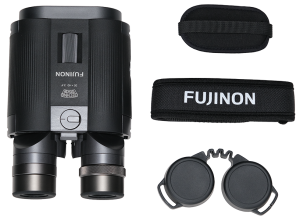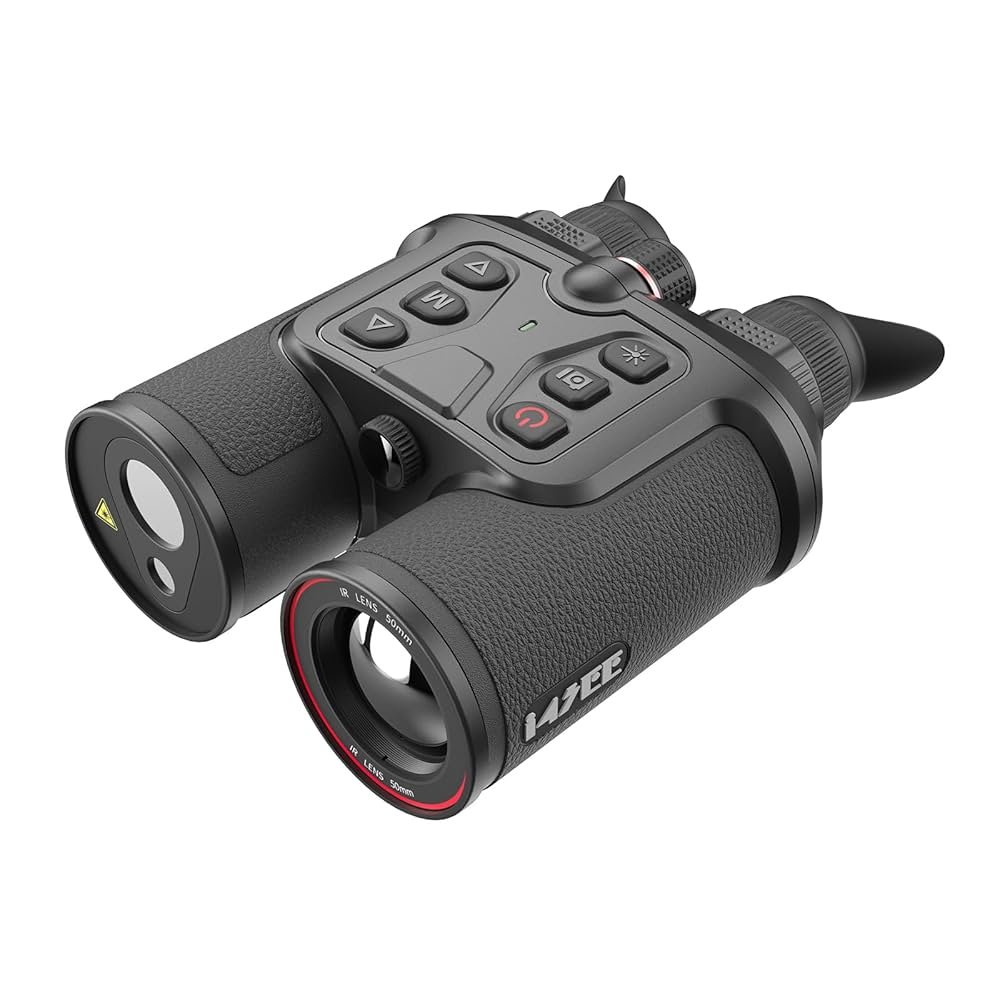
If you own thermal binoculars, you know how important they are for clear vision in the dark or through obstacles. But do you know the best way to store them long-term?
How you keep your thermal binoculars when not in use can make a big difference in their performance and lifespan. You want to protect your investment and ensure they’re ready whenever you need them. You’ll discover simple, effective tips to store your thermal binoculars safely and keep them working like new for years to come.
Keep reading to find out how to avoid common mistakes and give your gear the care it deserves.
Choosing The Right Storage Location
Store thermal binoculars in a safe, stable location. Avoid places with sharp temperature changes. Consistent temperatures are best for long-term storage. This protects sensitive equipment from damage.
Avoiding Extreme Temperatures
Extreme temperatures can harm thermal binoculars. Keep them away from heat sources like radiators. Avoid cold, damp areas too. Moderately warm places are ideal for storage.
Keeping Away From Moisture
Moisture is bad for electronics. Use a dry storage area. Basements may be too damp. Choose higher floors with good air circulation. Protect binoculars from mold and mildew.
Selecting A Dust-free Environment
Dust can scratch lenses. Find a clean, dust-free space. Use covers or cases for added protection. Regularly clean your storage area. This keeps your binoculars in top condition.

Credit: www.blackwoodoutdoors.co.uk
Preparing Binoculars For Storage
Clean the lensesgently using a soft cloth or lens brush. Avoid harsh chemicals to prevent damage. Wipe the body of the binoculars with a damp cloth to remove dust and dirt. Make sure the binoculars are completely dry before storing.
Remove batteriesto stop corrosion and battery leaks. This protects the internal parts during long storage periods. Store batteries separately in a dry place.
Inspect the binoculars for any signs of damage. Look for cracks, loose parts, or moisture inside. Fix small issues before storing to avoid bigger problems later.
Using Proper Storage Containers
Hard casesoffer strong protection from drops and bumps. They keep binoculars safe during travel or rough storage. Soft casesare lighter and easier to carry but protect less against impacts. Choose based on how rough your storage or travel might be.
Desiccant packshelp control moisture inside storage containers. They stop moldand rustfrom forming on lenses and metal parts. Always keep a fresh desiccant pack inside the case, especially in humid places.
Seal binoculars in airtight bags or cases to block dust and moisture. Use zip-lock bags or special vacuum bags for long-term storage. Make sure the binoculars are clean and dry before sealing.
Maintaining Binoculars During Storage
Regular checks keep thermal binoculars working well. Clean lenses with a soft cloth to remove dust and dirt. Avoid using harsh chemicals that may damage the lens coating. Check for any signs of damage or wear during inspection. Store binoculars in a dry place to keep them safe.
Replace batteries before storing to stop leaks. Remove batteries if storing for a long time. Use fresh batteries when you take them out. This helps keep the device safe and working.
- Keep binoculars in a dry case to stop mold growth.
- Use silica gel packs to absorb moisture inside the case.
- Store in a cool, dry place away from direct sunlight.
- Check metal parts for rust or corrosion regularly.
Additional Expert Tips
Avoid direct sunlightfor long periods. Sunlight can damage the lenses and sensors of thermal binoculars. Keep them in a cool, dry place away from windows or bright light sources.
Handle binoculars gently during storage and transport. Use a padded case to protect from bumps and drops. Avoid shaking or dropping them, as this can misalign internal parts.
Store accessories like batteries, lens covers, and cleaning cloths separately but nearby. Use small containers or pouches to keep them organized. This prevents loss and keeps everything ready for use.

Credit: shop.capethermal.com
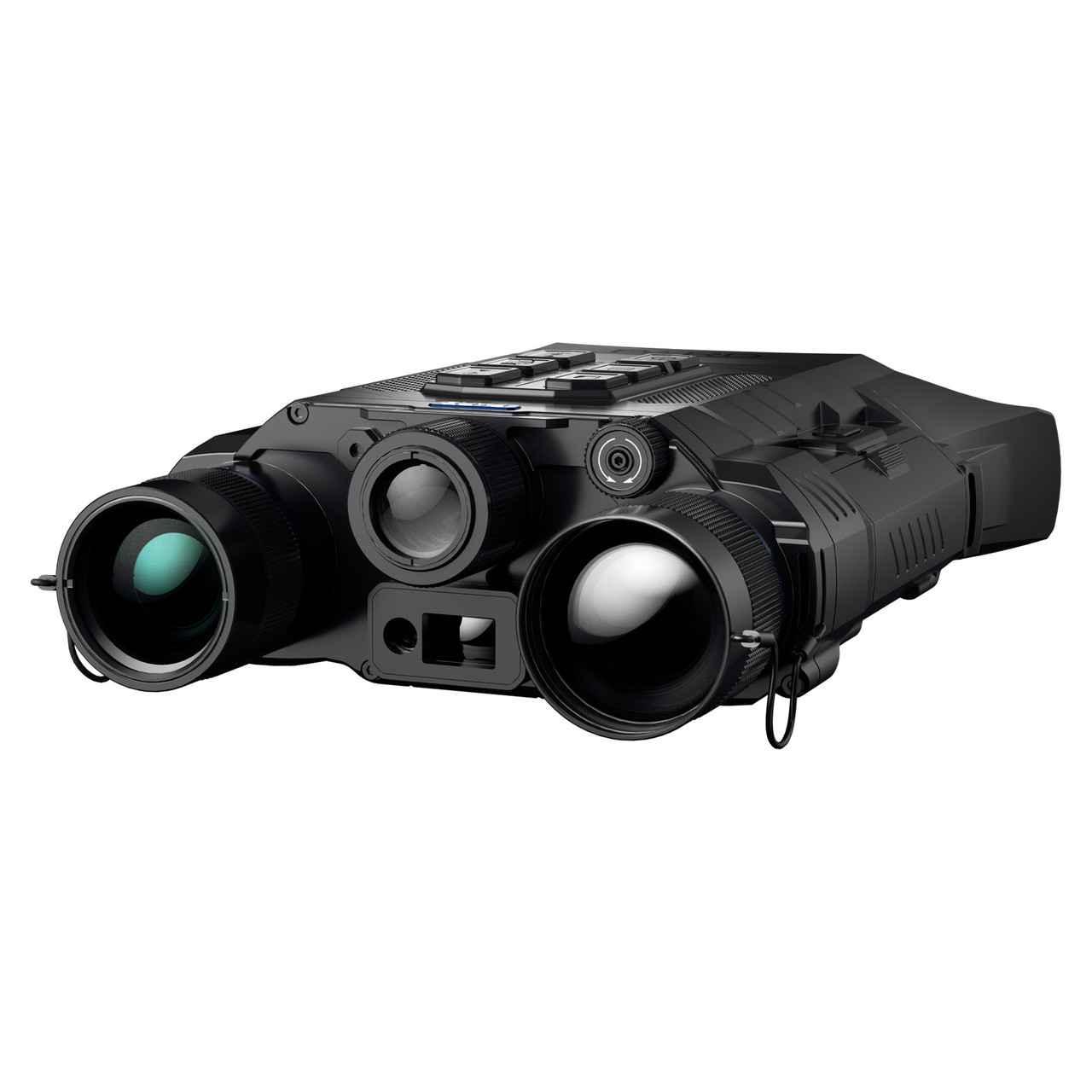
Credit: pardusa.com
Frequently Asked Questions
How Should I Prepare Thermal Binoculars For Long-term Storage?
Before storing, clean the lenses and body with a soft cloth. Remove batteries to prevent corrosion. Store in a dry, cool place inside a protective case to avoid dust and damage.
What Is The Ideal Environment For Storing Thermal Binoculars?
Store thermal binoculars in a cool, dry area away from direct sunlight. Avoid high humidity and extreme temperatures to prevent internal damage and mold growth.
Can I Store Thermal Binoculars With Batteries Inserted?
No, remove batteries before long-term storage. Batteries can leak and damage the device. Use fresh batteries when you resume use.
How Often Should I Check Stored Thermal Binoculars?
Inspect stored binoculars every 3-6 months. Check for moisture, corrosion, or damage. Clean and air them out if needed to maintain performance.
Conclusion
Proper storage keeps thermal binoculars safe and ready to use. Store them in a dry, cool place away from sunlight. Use protective cases to avoid dust and damage. Remove batteries if storing for a long time. Check your binoculars regularly to ensure they work well.
Simple steps help your device last longer and perform better. Take care, and your thermal binoculars will serve you for many years.