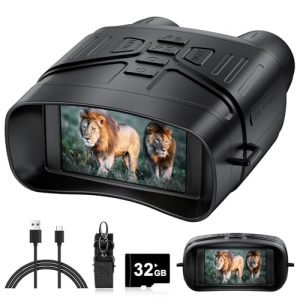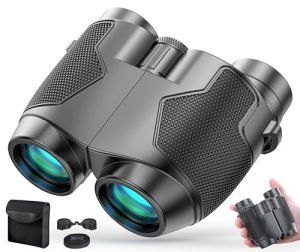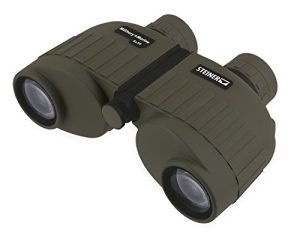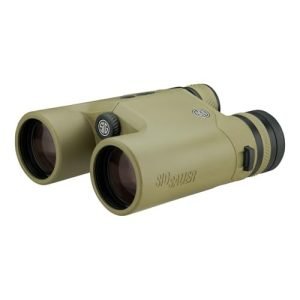
When you’re in a rescue situation, every second counts. Having the right binoculars can make all the difference between spotting help or missing crucial details.
But with so many options out there, how do you know what magnification is best for rescue binoculars? Choosing the wrong one can leave you frustrated or, worse, unprepared. You’ll discover exactly what magnification suits your needs, helping you stay sharp and ready when it matters most.
Keep reading to find the perfect balance between power and clarity for your rescue missions.
Magnification Basics
Choosing the right magnification for rescue binoculars helps you see details clearly. Magnification makes distant objects look closer.
Understanding magnification basics lets you pick binoculars that fit your rescue needs. This guide explains how magnification works and common levels.
How Magnification Works
Magnification is the number that shows how much bigger objects appear through binoculars. For example, 8x means the object looks eight times closer.
Binoculars use lenses to bend light and enlarge the image. Higher magnification zooms in more but can make the view shakier and darker.
- Low magnification gives a wider view and is easier to hold steady.
- High magnification zooms in more but may need a tripod to avoid shaking.
- Balance between clear image and ease of use is important.
Common Magnification Levels
Rescue binoculars usually have magnification levels from 6x to 10x. Each level suits different situations and distances.
| Magnification | Use Case | Advantages |
| 6x | Close range rescue | Wide view, easy to hold steady |
| 8x | General rescue work | Good balance of zoom and stability |
| 10x | Long distance spotting | More detail, needs steady hands |

Credit: www.youtube.com
Factors Affecting Magnification Choice
Choosing the best magnification for rescue binoculars depends on several key factors. These factors help decide which magnification level works best for different rescue situations.
Magnification affects how far and clearly you can see. It also changes how easy the binoculars are to use in tough conditions.
Field Of View Considerations
The field of view means how wide an area you can see through the binoculars. Lower magnification gives a wider view. This helps spot people or objects faster.
Higher magnification narrows the view. It shows more detail but less area. This can make it harder to find targets quickly during rescue.
- Lower magnification: wider view, easier to scan large areas
- Higher magnification: narrower view, better for details at distance
- Balance is key for rescue tasks
Image Stability And Shake
Higher magnification makes image shake more noticeable. This can make it hard to focus on objects. Rescue workers need clear, steady images to spot hazards or people.
Lower magnification binoculars reduce shake effects. They are easier to hold steady for longer times. This helps reduce eye strain during rescue missions.
- High magnification: more image shake, harder to hold steady
- Low magnification: less shake, easier to keep steady
- Consider using binoculars with image stabilization features
Light Conditions Impact
Light affects how clear and bright images appear. Higher magnification binoculars often need more light to show clear images. This can be a problem in low light or foggy conditions.
Lower magnification binoculars usually work better in low light. They let in more light and produce brighter images. This is important for rescue work at dawn, dusk, or bad weather.
- High magnification: requires more light, less effective in dark
- Low magnification: better in low light, brighter images
- Choose binoculars with good light-gathering ability
Ideal Magnification For Rescue Missions
Choosing the right magnification for rescue binoculars is key. It helps rescuers see far and clearly.
Too much zoom can make images shaky. Too little zoom may miss important details.
Balancing Zoom And Clarity
Rescue binoculars must balance zoom and clear images. High magnification can blur the view. Lower magnification offers wider views and steadier images.
- Lower magnification (around 6x) gives a steady image.
- Higher magnification (above 10x) can cause shaking.
- Moderate zoom (7x to 8x) balances detail and stability.
Recommended Magnification Ranges
| Magnification | Best Use | Notes |
| 6x to 7x | Wide view, stable image | Good for close to mid distances |
| 8x to 10x | Detailed view at longer distances | Still manageable with steady hands |
| Above 10x | Far distances | Requires tripod or very steady hands |
Credit: www.youtube.com
Comparing Popular Rescue Binocular Models
Choosing the best magnification for rescue binoculars is important for clear vision. Different magnifications suit various rescue needs.
This guide compares popular rescue binocular models based on their magnification levels. It helps find the best fit for your rescue tasks.
High Magnification Options
High magnification binoculars usually range from 10x to 15x. They show distant objects clearly but can be harder to hold steady.
These are good for spotting small details far away. Rescue teams use them for long-range searches.
- Example: 15×70 binoculars offer strong zoom and wide lenses
- Example: 12×50 models balance zoom and brightness
- Need a tripod or steady hand to avoid shaky images
Moderate Magnification Picks
Moderate magnification ranges from 7x to 10x. These binoculars are easier to hold and provide good detail.
This magnification suits most rescue scenarios. It offers a good balance of zoom and field of view.
| Model | Magnification | Features |
|---|---|---|
| Model A | 8×42 | Bright image, wide view |
| Model B | 10×42 | Good zoom, lightweight |
| Model C | 7×50 | Strong light gathering |
Low Magnification Benefits
Low magnification binoculars are usually 4x to 6x. They show a wide area and are easy to use.
These are ideal for quick scans and close-range work. They are lighter and less tiring to hold.
- Example: 5×30 models are compact and easy to carry
- Example: 6×30 binoculars give a bright, wide image
- Best for fast movement and wide searches
Additional Features To Consider
Choosing rescue binoculars is not just about magnification. Other features matter for safety and ease of use. These features help you perform better in tough conditions.
Look closely at durability, weight, and lens quality. These affect how comfortable and reliable your binoculars are during rescue missions.
Durability And Waterproofing
Rescue binoculars must resist damage from drops, water, and dust. A tough build helps them last longer in harsh environments. Waterproofing keeps lenses clear in rain or fog.
- Rubber armor for shock absorption
- Sealed O-rings to prevent water entry
- Fog-proof nitrogen or argon gas filling
- Scratch-resistant lens coatings
Weight And Portability
Lightweight binoculars reduce fatigue in long rescues. Compact size lets you carry them easily on your gear belt or backpack.
| Feature | Why It Matters |
| Weight under 700 grams | Less strain during long use |
| Compact design | Easier to store and carry |
| Strap or harness included | Hands-free use and quick access |
Lens Coatings And Brightness
Lens coatings improve light transmission and image clarity. Bright views are crucial in low-light or foggy rescue scenes. Look for fully multi-coated lenses for best brightness.
- Anti-reflective coatings for clearer images
- Phase correction coatings for sharpness
- High-quality prisms for brightness
- Wide objective lenses to gather more light
Maintenance Tips For Rescue Binoculars
Rescue binoculars help people see far in tough situations. Taking care of them keeps them working well.
Proper maintenance stops damage and keeps the lenses clear. This guide shows easy ways to clean and store them.
Cleaning And Storage
Cleaning rescue binoculars removes dust and dirt that block your view. Use soft cloths and special lens cleaners only.
Store binoculars in a dry, cool place. Avoid leaving them in the sun or in damp areas to protect the lenses and body.
- Use a microfiber cloth to wipe lenses gently
- Blow off dust with a soft brush or air blower
- Keep binoculars in a padded case when not in use
- Store with lens covers on to avoid scratches
- Keep away from heat and moisture
Handling And Care
Handle your binoculars carefully to avoid drops and shocks. Hold them firmly and use neck straps to prevent falls.
Check binoculars regularly for loose parts or damage. Tighten screws and fix minor issues before they get worse.
- Always carry binoculars with both hands
- Use neck or wrist straps to secure them
- Avoid touching the lenses with fingers
- Inspect binoculars after every use
- Repair or service them if damaged

Credit: www.amazon.ca
Frequently Asked Questions
What Magnification Is Best For Rescue Binoculars?
A 7x to 10x magnification is ideal for rescue binoculars. It balances clear detail and a wide field of view. This range helps spot distant objects without losing image stability or brightness.
Why Avoid High Magnification In Rescue Binoculars?
High magnification makes images shaky and narrow. It reduces brightness, making it hard to see in low light. Rescue work needs clear, stable views, so moderate magnification is better.
How Does Magnification Affect Rescue Binocular Weight?
Higher magnification often means bigger lenses and heavier binoculars. Lightweight binoculars with moderate magnification are easier to carry during rescue missions. Comfort and ease of use are key for quick response.
Can Low Magnification Binoculars Work For Rescue?
Low magnification binoculars provide a wider view but less detail. They can help quickly scan large areas but may miss finer details. Combining moderate magnification with a good field of view is best.
Conclusion
Choosing the right magnification is vital for rescue binoculars. It ensures clear vision and aids in critical situations. A balance between magnification and field of view helps in quick identification. Experts often recommend 7x to 10x for optimal performance. This range offers clarity without compromising stability.
Always consider the environment and specific needs. Testing different models can help find the perfect fit. Remember, the right binoculars can make a big difference in rescue efforts. Equip yourself wisely for the best outcomes.