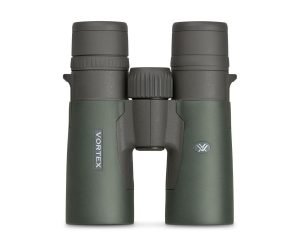
Have you ever looked through your binoculars and noticed strange color fringes around objects? That annoying blur is called chromatic aberration, and it can ruin your viewing experience.
Understanding what chromatic aberration is and how it affects your binoculars will help you choose the right pair and enjoy clear, sharp images every time. Keep reading to discover how this common optical issue works and what you can do to avoid it.
Chromatic Aberration Basics
Chromatic aberration is a common issue in binoculars. It happens when colors do not focus at the same point. This causes blurred edges and color fringes around objects.
Understanding chromatic aberration helps you pick better binoculars. It also explains why some images look less clear with color distortions.
Color Fringing Explained
Color fringing occurs when different colors separate around an object’s edges. This happens because lenses bend each color light differently. The effect looks like red, blue, or green outlines.
- Red and blue colors often show the strongest fringes.
- Fringing appears mostly near high-contrast edges.
- It reduces image sharpness and detail.
- Good binoculars use special lenses to reduce fringing.
How Light Dispersion Occurs
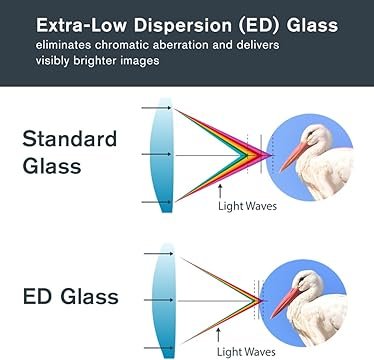
Light dispersion causes chromatic aberration in binoculars. When light passes through a lens, it bends or refracts. Different colors bend by different amounts due to their wavelengths.
| Color | Wavelength (nm) | Bending Amount |
|---|---|---|
| Violet | 380 – 450 | Most bending |
| Green | 495 – 570 | Moderate bending |
| Red | 620 – 750 | Least bending |
Causes In Binoculars
Chromatic aberration in binoculars happens when colors do not focus at the same point. This causes blurry edges and colored fringes on objects.
The main causes come from the materials and design of the lenses inside binoculars. These factors affect how light bends and focuses.
Lens Material Effects
Lenses are made from different types of glass or plastic. Each material bends light differently. This bending can separate colors, leading to chromatic aberration.
Low-quality glass often causes more color fringing. High-quality materials reduce this effect by bending colors closer together.
- Standard glass bends colors unevenly
- Extra-low dispersion glass lowers color blur
- Fluorite lenses help focus colors better
Optical Design Factors
The way lenses are arranged in binoculars affects chromatic aberration. Simple lens designs often let more color fringing appear.
Complex designs use special lens groups to reduce color errors. These designs help all colors meet at the same focus point.
- Single lens elements cause more color separation
- Achromatic lenses combine two elements to reduce color blur
- Apochromatic lenses use three elements to correct colors better
Impact On Image Quality
Chromatic aberration happens when binocular lenses fail to focus all colors at the same point. This problem affects the quality of images seen through binoculars.
The impact shows mainly in the form of blurred edges and color distortions. It also reduces the overall clarity and sharpness of the viewed image.
Blurred Edges And Color Distortion
Chromatic aberration causes colors to separate at the edges of objects. This makes the edges look blurry and creates color fringes like blue or red halos.
- Edges lose their crispness due to color fringing
- Color separation can confuse the eye
- Objects look less defined around borders
Reduced Clarity And Sharpness
Images appear less sharp because the light rays do not focus correctly. This reduces the binoculars’ ability to show fine details clearly.
| Effect | Description |
| Loss of Detail | Fine lines and small features become harder to see |
| Softened Image | The overall picture looks less crisp and clear |
| Eye Strain | Users may feel discomfort trying to focus on blurry images |
Credit: oberwerk.com
Types Of Chromatic Aberration
Chromatic aberration happens when lenses fail to focus all colors at the same point. This creates color fringes around objects viewed through binoculars. There are two main types of chromatic aberration in binoculars.
Understanding these types helps in choosing better binoculars and improving image clarity.
Longitudinal Aberration
Longitudinal aberration happens when different colors focus at different distances along the lens axis. This means some colors appear blurry while others are sharp. It often causes color fringes around bright objects.
- Red, green, and blue light do not focus at the same point.
- Causes blurry images and color halos.
- More visible when looking at high-contrast edges.
- Corrected by special lens coatings or extra lens elements.
Lateral Aberration
Lateral aberration occurs when colors focus at different positions perpendicular to the lens axis. It causes color fringes to appear on the sides of objects. This type is common near the edges of the binoculars’ view.
| Aspect | Description |
| Color Shift | Colors shift sideways, causing color edges. |
| Image Area | Mostly affects the image edges, not the center. |
| Correction Method | Use of achromatic or apochromatic lenses. |
| Effect on Viewing | Color fringes appear on objects near image borders. |
Techniques To Minimize Aberration
Chromatic aberration in binoculars causes color fringes around objects. It happens when lenses fail to focus all colors on the same point.
Several techniques reduce this effect and improve image clarity. These methods include special glass types, lens designs, and coatings.
Use Of Ed Glass
Extra-low dispersion (ED) glass lowers chromatic aberration by limiting color spread. It helps focus different light colors closer together.
- ED glass reduces color fringing for sharper images.
- It is commonly used in higher-quality binoculars.
- ED glass improves contrast and color accuracy.
Achromatic And Apochromatic Lenses
Achromatic lenses combine two types of glass to focus two colors into one point. This reduces color fringing but not completely.
Apochromatic lenses use three or more glass elements. They focus three colors into a single point for better correction.
| Lens Type | Colors Focused | Effect on Aberration |
| Achromatic | Two | Reduces but does not eliminate |
| Apochromatic | Three or more | Greatly reduces chromatic aberration |
Coatings And Lens Treatments
Lens coatings help reduce chromatic aberration and glare. They improve light transmission and image quality.
- Anti-reflective coatings lower light scatter.
- Special coatings reduce color fringing effects.
- Lens treatments protect glass from scratches and dirt.
Choosing Binoculars With Low Aberration
Chromatic aberration is a common problem in binoculars. It shows as color fringes around objects. This can make images look blurry or less clear.
Picking binoculars with low chromatic aberration improves your viewing experience. It helps you see sharper images with true colors.
Key Features To Look For
Look for binoculars with extra-low dispersion (ED) glass. ED glass reduces color fringing. This gives clearer and sharper images.
Check if the binoculars have multi-coated lenses. Lens coatings help reduce glare and improve image brightness. This also lowers chromatic aberration.
- Extra-low dispersion (ED) glass for less color blur
- Multi-coated lenses to reduce glare and enhance clarity
- High-quality prisms for better light transmission
- Close focusing distance for detailed close-up views
Price Versus Performance
Higher price often means better control of chromatic aberration. Binoculars with ED glass and coatings cost more. But they offer clearer images.
Budget binoculars may have more color fringing. They still work well for casual use. For serious viewing, spending more improves image quality.
- Entry-level: basic lenses, visible color fringing
- Mid-range: some ED glass, better color control
- High-end: full ED glass, advanced coatings, sharpest images
Testing For Chromatic Aberration
Chromatic aberration happens when a binocular lens shows color fringes around objects. This causes blurry images and reduces viewing quality. Testing helps find if binoculars have this problem.
There are simple tests to do outside and precise ways to check in a lab. Both types of tests help understand how much chromatic aberration binoculars have.
Practical Field Tests
Field tests check for color fringing by using real-life scenes. Look at high-contrast edges, like tree branches against bright sky or black text on white paper. Notice if colors appear around edges.
Try these steps to spot chromatic aberration:
- Focus binoculars on sharp edges outdoors.
- Observe if there is a blue, red, or green halo.
- Check different lighting, like sunny and cloudy conditions.
- Compare results with other binoculars if possible.
Lab Measurement Methods
Lab tests use special tools to measure chromatic aberration precisely. These tools analyze how lenses bend different light colors. This shows how much color blur the binoculars create.
Common lab methods include:
- Using light sources with different colors to test lens focus points.
- Measuring image sharpness with digital sensors.
- Testing color separation with optical benches.
Credit: oberwerk.com
Common Myths And Misconceptions
Chromatic aberration is a common topic when discussing binoculars. Many people have wrong ideas about what it is and what it does.
This article clears up myths about chromatic aberration and how it affects your view through binoculars.
Chromatic Aberration And Eye Strain
Some believe chromatic aberration causes eye strain. This is not always true. Chromatic aberration is a color fringe around objects.
Eye strain usually comes from poor focus, low light, or long use. Chromatic aberration alone rarely causes discomfort.
- Chromatic aberration shows as color edges on objects.
- Eye strain happens if eyes work too hard to focus.
- Good binoculars reduce strain by clear focus, not just less color fringe.
Aberration Vs Other Optical Issues
People often mix up chromatic aberration with other optical problems. These problems affect image quality in different ways.
Chromatic aberration causes color blurs. Other issues include distortion and spherical aberration, which change shapes or focus.
- Chromatic Aberration:Color edges around objects.
- Distortion:Straight lines appear curved.
- Spherical Aberration:Blurry image from lens shape.
- Astigmatism:Blurred image in one direction.
Credit: www.aliexpress.com
Frequently Asked Questions
What Causes Chromatic Aberration In Binoculars?
Chromatic aberration occurs when lenses fail to focus all colors at the same point. This happens due to light refraction differences in various wavelengths. It results in color fringing and reduced image sharpness in binoculars.
How Does Chromatic Aberration Affect Binocular Image Quality?
Chromatic aberration creates blurry edges and colored halos around objects. This reduces clarity and contrast, making details harder to see. It negatively impacts the overall viewing experience with binoculars.
Can Chromatic Aberration Be Corrected In Binoculars?
Yes, manufacturers use special lens coatings and low-dispersion glass to reduce chromatic aberration. These methods help focus different colors more accurately, improving image sharpness and color fidelity.
Are All Binoculars Affected By Chromatic Aberration?
Most binoculars show some chromatic aberration, especially low-cost models. High-quality or specialized binoculars minimize this issue through advanced optics and coatings, offering clearer images.
Conclusion
Chromatic aberration affects the clarity in binoculars. This distortion can blur images. Understanding its impact helps in choosing better binoculars. High-quality lenses can reduce this effect. This ensures clearer, sharper views. Always consider lens quality before buying. It makes a significant difference.
Better binoculars offer enhanced viewing experiences. Enjoy nature with vivid, accurate colors. Invest in good optics for long-term satisfaction. Your eyes deserve the best. Choose wisely, see clearly.