If you love watching birds, having the right binoculars can make all the difference. But with so many options out there, how do you choose the best pair for your birding adventures?
You want clear views, easy handling, and something that fits your style. You’ll discover the key features to look for in birding binoculars. By the end, you’ll feel confident picking the perfect pair that brings every feathered friend into sharp focus.
Keep reading to find out what really matters when choosing your next binoculars.
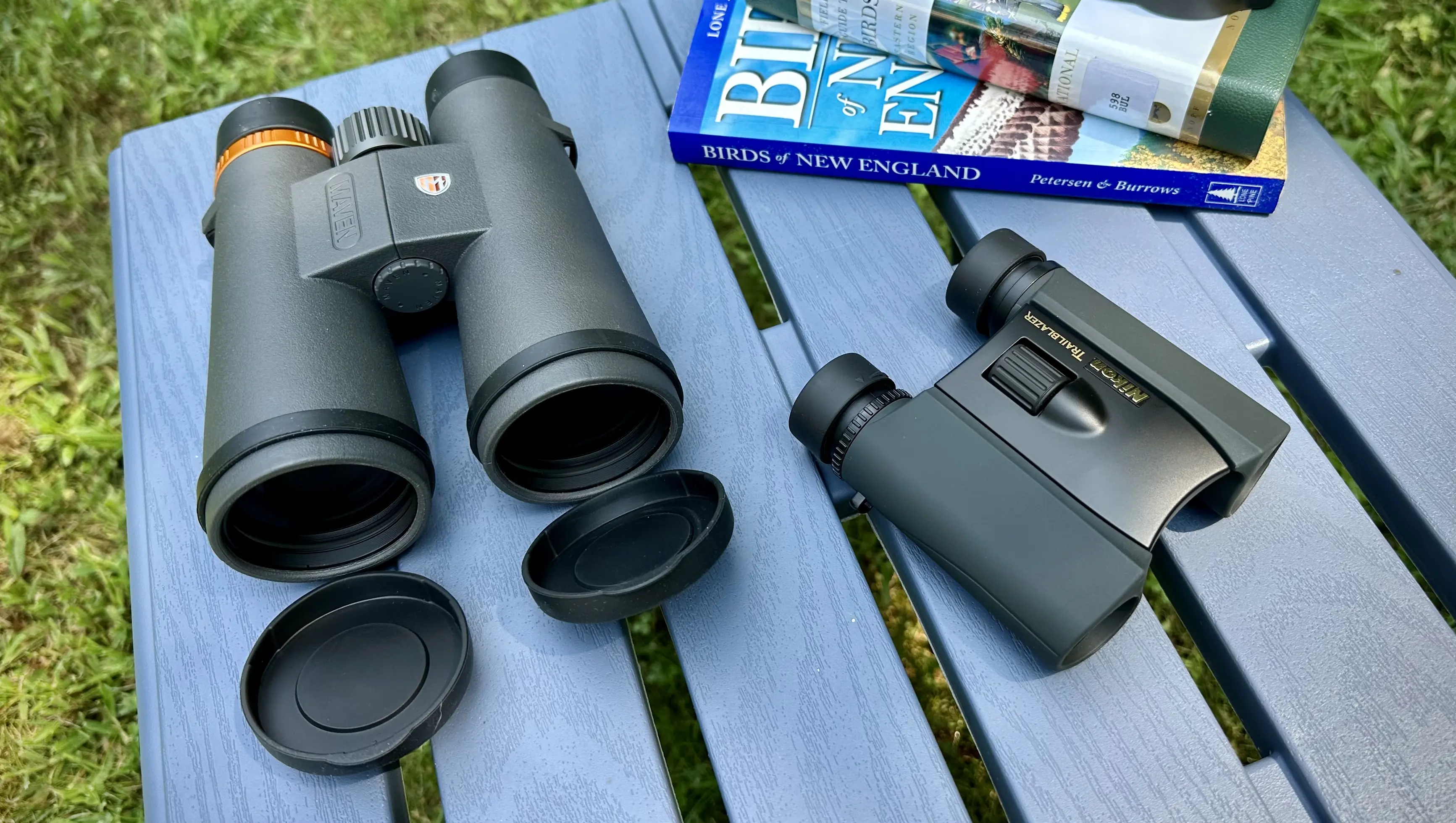
Credit: gearjunkie.com
Key Optical Features
Clear lenses and good magnification help spot birds easily. Waterproof and lightweight designs make outdoor use comfortable. Wide field of view allows quick scanning of the sky or trees.
Magnification And Objective Lens Size
Binoculars come with different magnification levels. 8x or 10x are common for bird watching. The objective lens sizeaffects brightness. Larger lenses let in more light.
Field Of View
Field of viewshows how much you see at once. A wider view helps spot birds quickly. Check if it’s wide enough for easy spotting.
Lens Coatings
Lens coatingsreduce glare and improve light transmission. Multi-coated lenses offer better clarity. They help see birds clearly in bright or dim light.
Prism Types
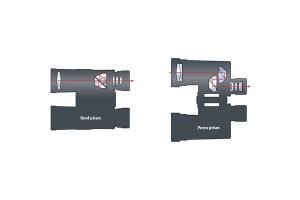
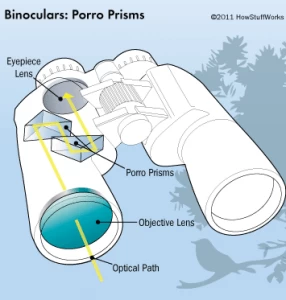
Two main prism typesexist: Porro and Roof. Porro prisms are often bulkier. Roof prisms are compact and easier to handle. Choose based on your preference.
Build And Design
Weight and sizematter for long bird watching trips. Lightweight binoculars reduce arm strain. Compact sizes fit easily in bags or pockets.
Ergonomics and gripmake holding easier. Rubber coatings help prevent slipping. Smooth focus wheels allow quick adjustments.
| Feature | Importance | Benefit |
|---|---|---|
| Weather Resistance | High | Protects binoculars from rain and fog |
| Durability | High | Ensures long-lasting use in rough conditions |
Waterproof and fog-proof binoculars work well in wet places. Shockproof designs survive accidental drops. This adds to durabilityand reliability.
Image Quality Factors
Brightnessis key for clear bird views. It depends on the lens size and coating quality. Bigger lenses let in more light, making images brighter in low light.
Claritymeans sharp and clear images. High-quality lenses reduce blur and distortions. Look for binoculars with good optics to see fine bird details.
- Color Fidelity:Shows true bird colors without tint.
- Good color fidelity means natural and vibrant views.
- Special lens coatings help keep colors accurate and crisp.
| Feature | Why It Matters | Ideal Value |
|---|---|---|
| Close Focus Distance | Allows viewing birds up close clearly. | Less than 6 feet (about 2 meters) |
Short close focus distance lets you see small birds nearby. It helps with detailed observation of feathers and behavior.
Ease Of Use
Focus mechanisms should be smoothand easy to adjust. A simple twist or slide lets you sharpen the image quickly. This is important when birds move fast.
Eye reliefmeans the distance your eye can be from the lens while still seeing the whole view. Longer eye relief is better, especially if you wear glasses. Comfortable eye cups help keep your eyes in place.
Adjustable features like interpupillary distancelet you match the binoculars to your eyes. This ensures a clear, single image. Some binoculars also have adjustable diopters to fine-tune focus for each eye.
Additional Considerations
Price and performanceoften go hand in hand. A higher price usually means better glass and build quality. But many mid-range binoculars offer good clarityand durability. Choose a pair that fits your budget and needs. Avoid very cheap models; they often have poor optics and can be frustrating to use.
Warrantyprotects your investment. Look for brands with a solid reputation for customer service. A good warranty shows the company stands behind its product. It can save you money if repairs are needed.
Accessories can add value. Many binoculars come with:
- Protective cases for safe transport
- Lens covers to keep glass clean
- Neck straps for comfort during long use
- Cleaning cloths for lens care
These extras improve your birding experience and keep binoculars in good shape.
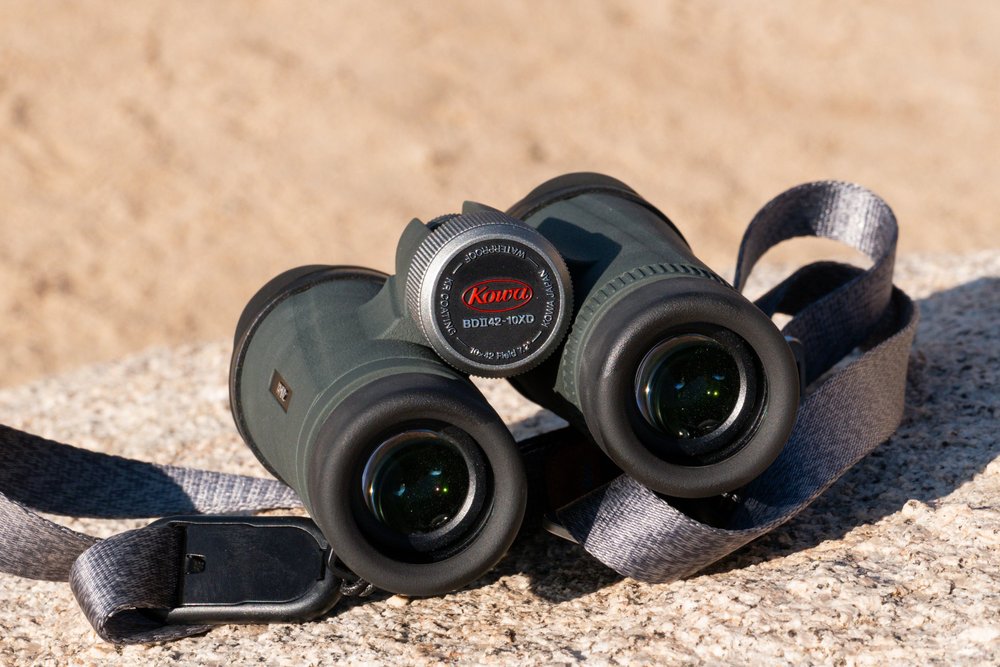
Credit: andrealikesbirds.com
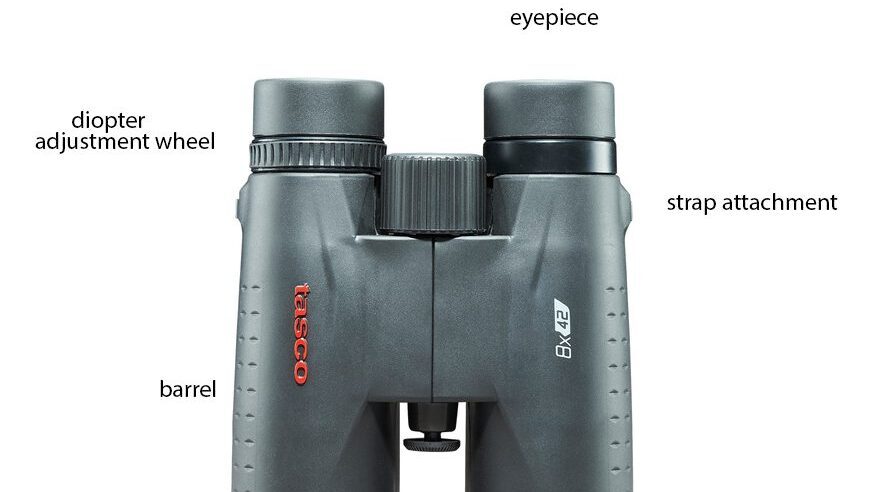
Credit: bringbinoculars.com
Frequently Asked Questions
What Magnification Is Ideal For Birding Binoculars?
A magnification of 8x to 10x is ideal for birding. It provides a good balance between detail and stability. Higher magnifications can be shaky without a tripod.
How Important Is The Field Of View In Birding Binoculars?
A wide field of view is crucial for birding. It helps locate and track birds easily, especially fast-moving species. Look for binoculars with a field of view around 330 feet at 1000 yards.
Should Birding Binoculars Be Waterproof And Fog-proof?
Yes, waterproof and fog-proof features are essential. They protect binoculars from rain, moisture, and temperature changes. This ensures clear vision in various weather conditions.
What Lens Coatings Improve Birding Binocular Performance?
Fully multi-coated lenses enhance light transmission and reduce glare. This results in brighter, clearer images, especially in low light. Quality coatings boost color accuracy and contrast.
Conclusion
Choosing the right birding binoculars makes a big difference in your experience. Focus on clear lenses, comfortable size, and good magnification. A sturdy build helps you use them outdoors easily. Don’t forget easy adjustment features for quick focus. These key points help you enjoy bird watching fully.
With the right binoculars, every bird becomes clearer and closer. Happy birding starts with smart choices in your gear.