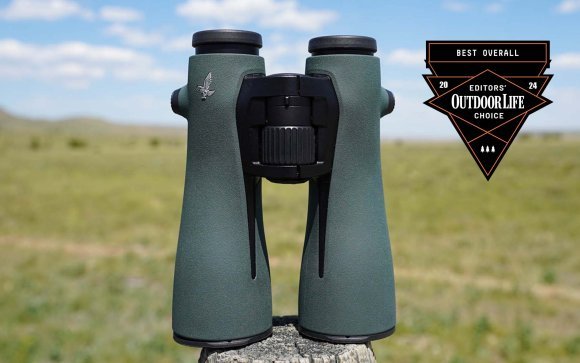
Choosing the right pair of camping binoculars transforms how you experience the outdoors. A distant ridge becomes a landscape of detail. A smudge of motion across a meadow resolves into a mule deer. A dark sky fills with stars you did not know were there.
But the binocular market is crowded, and two models with nearly identical spec sheets can feel completely different in the field. Brand reputation matters here—not as marketing hype, but as a track record for lens coatings, mechanical durability, weather sealing, and warranty support.
This guide breaks down the brands that consistently earn their place in a camping pack, what separates them, and how to match one to the way you actually camp.
What Makes a Binocular Good for Camping, Specifically
Camping binoculars are not the same as birding binoculars, astronomy binoculars, or hunting binoculars, even though there is plenty of overlap. The camping use case has its own set of demands.
A camping binocular should do three jobs well:
Work in changing light. You will use it at dawn, at dusk, under forest canopy, and in open sunlight. That favors larger objective lenses and quality coatings.
Survive being outside. It will live in a tent, get damp, sit in a hot car, and occasionally get knocked against a rock. Weather sealing and armor matter more than they do for a binocular that never leaves the house.
Earn its weight. Every ounce in a camping pack competes against water, food, and shelter. A great camping binocular is the lightest one that still delivers an image you enjoy using.
The best brands understand this balance rather than chasing one spec at the expense of everything else.
Criteria for Top Camping Binoculars
Before comparing brands, it helps to know what actually moves the needle. These five factors explain the difference between a binocular you love and one that stays in the pack.
Durability and Weather Resistance
Camping exposes optics to rain, humidity, dust, and temperature swings. Look for models described as waterproof and fog-proof—the two features usually appear together. In practice, this means the interior is purged with nitrogen or argon and sealed with O-rings so internal moisture cannot condense on the lenses when temperatures change.
A rubber-armored body does two jobs: it absorbs minor impacts and gives you a secure grip with cold or wet hands. The armor should feel substantial, not like a thin plastic skin.
A common mistake is assuming a "water-resistant" binocular can handle a full downpour. It cannot. If camping is the primary use, waterproof and fog-proof is the minimum bar.
Optical Quality
This is where brands separate most visibly. Two binoculars with identical 8×42 specifications can show very different images.
The differences come down to:
- Lens coatings. Fully multi-coated lenses reduce internal reflections and boost light transmission. A binocular with cheap, partially coated glass looks dim and flat by comparison.
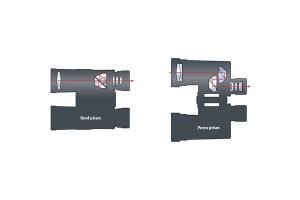
- Prism type. Roof prisms make for sleeker, more compact bodies. Porro prisms often deliver excellent brightness for less money but at the cost of bulk.
- Glass type. Higher-end brands use extra-low dispersion (ED) glass to reduce color fringing around high-contrast edges. This matters most in bright light and when scanning tree lines.
- Eye relief. If you wear glasses, you need at least 15–16 mm of eye relief. Less than that and you will be cutting off part of the view. If this applies to you, it is worth reading up on binoculars that work well with glasses.
Weight and Portability
Camping involves carrying things. A 35-ounce full-size binocular feels fine around camp but becomes a burden on a six-mile approach.
As a rough field guide:
- Under 20 oz: Easy to carry all day. Usually compact 8×32 or 10×28 models.
- 20–27 oz: The sweet spot for most campers. Typical 8×42 or 10×42.
- Over 30 oz: Best reserved for base camping, astronomy, or when image brightness matters more than weight.
A harness or a chest pack changes this math considerably. The best system is one where the binocular sits high on your chest, not swinging against your sternum on every step. You can make any binocular more wearable with the right carrying strategy for hiking.
Field of View
Field of view describes how wide an area you see at a given distance, usually expressed in feet at 1,000 yards. A wide field makes it much easier to locate and follow moving wildlife. A narrow field feels like looking through a straw.
For camping and general wildlife viewing, look for at least 350–400 feet at 1,000 yards in an 8x or 10x binocular. Some wide-angle models push beyond 420 feet. There is usually a trade-off: the widest fields often appear softer at the edges unless you spend more for a well-corrected eyepiece.
Price Range and What It Buys
Camping binoculars span roughly $100 to $2,500, and price does not scale evenly.
- Under $150: Plenty of usable options. Expect simpler coatings, more plastic, narrower warranty. Fine for casual camping.
- $150–$400: The value core. Noticeably better glass, genuine waterproofing, and longer warranties. Most campers should shop here.
- $400–$1,000: Better edge-to-edge sharpness, lower-light performance, ED glass, and lifetime warranties from some brands.
- Above $1,000: Incremental gains in optical polish and mechanical refinement. Worth it for serious glass enthusiasts and regular users, not for most occasional campers.
In practice, the biggest jump in satisfaction happens between the sub-$150 tier and the $200–$350 tier. That is where "I thought these were fine" becomes "I reach for them every trip."
Nikon Camping Binoculars
Nikon has decades of optical engineering behind its name, and that shows in how consistently its binoculars focus and feel. For camping, the appeal is simple: clean images, reliable mechanics, and no gimmicks.
The sweet spots in the lineup are the Prostaff and Monarch series. Prostaff models offer approachable pricing with genuine waterproofing and multi-coated glass. The Monarch line steps up to dielectric-coated roof prisms and ED glass on select models, which translates to brighter views at dusk and tighter color control in daylight.
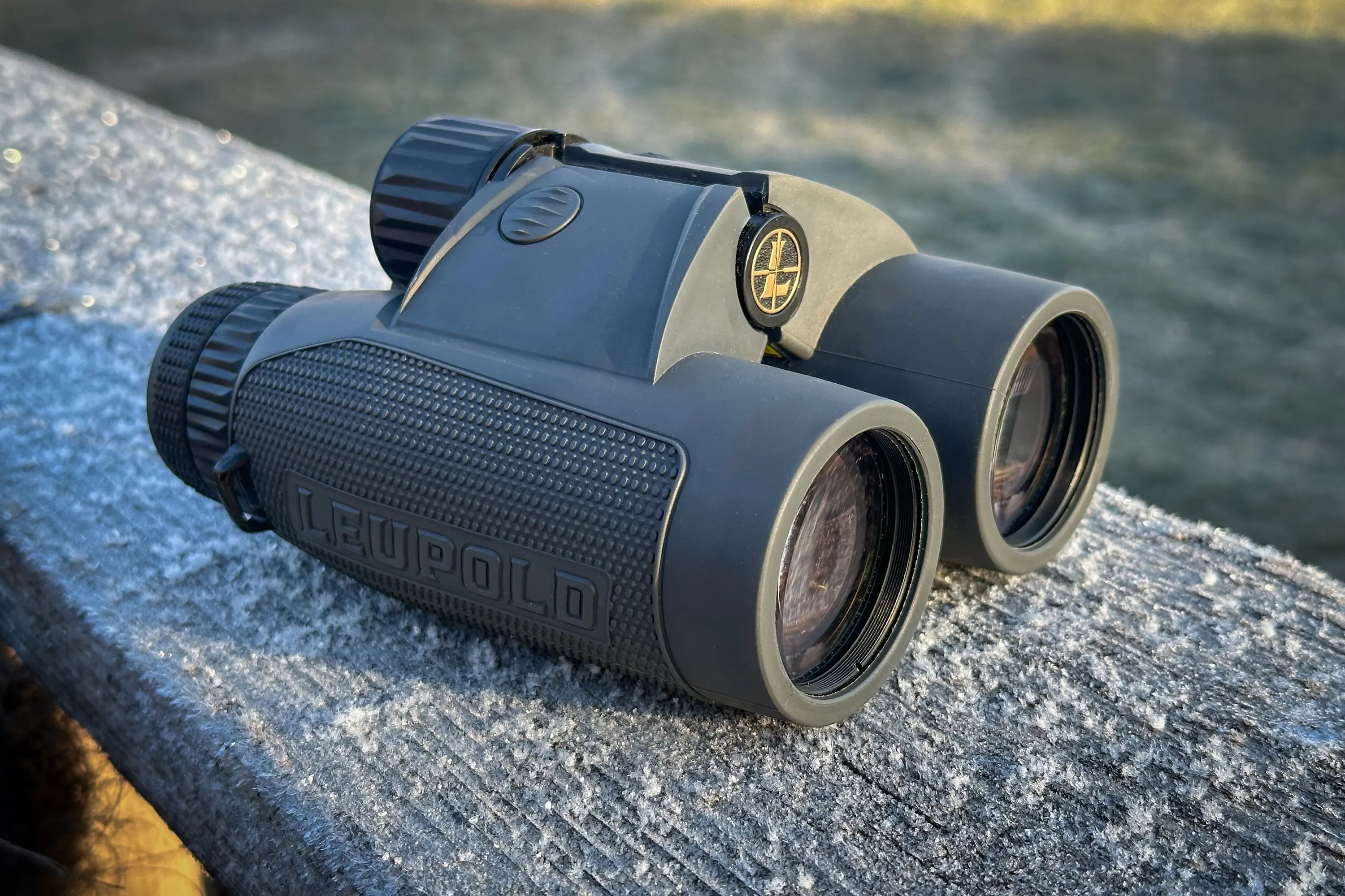
Nikon binoculars are built around dependable waterproofing and smooth, predictable focusing.
In practice, Nikon's focus wheel tends to be smooth and well damped—an underrated quality when you are making small corrections with cold fingers. Eye relief is usually sufficient for most users, though it varies by model. The Monarch 5 and Monarch 7 lines have been strong performers in low light for years, and they remain a safe recommendation for campers who want optical quality without jumping into four-figure pricing.
Nikon warranties run around five to ten years with registration depending on the model, which is shorter than Vortex's lifetime coverage but competitive with the broader industry.
Bottom line: Nikon is the low-risk, high-consistency choice. If you want to buy once and stop thinking about the decision, a mid-tier Nikon is hard to beat.
Bushnell Camping Binoculars
Bushnell covers an enormous price range, from budget bins that belong in a glovebox to seriously capable mid-tier optics. The brand earns its camping reputation at the affordable-to-midrange end, where it delivers dependable waterproof construction without demanding a premium.
For campers, the Trophy, Legend, and Prime lines are the relevant territory. Many models feature fully multi-coated lenses and a grippy, armor-covered body. The Legend and Prime series specifically push toward brighter low-light performance—useful for spotting animals at the edges of the day.
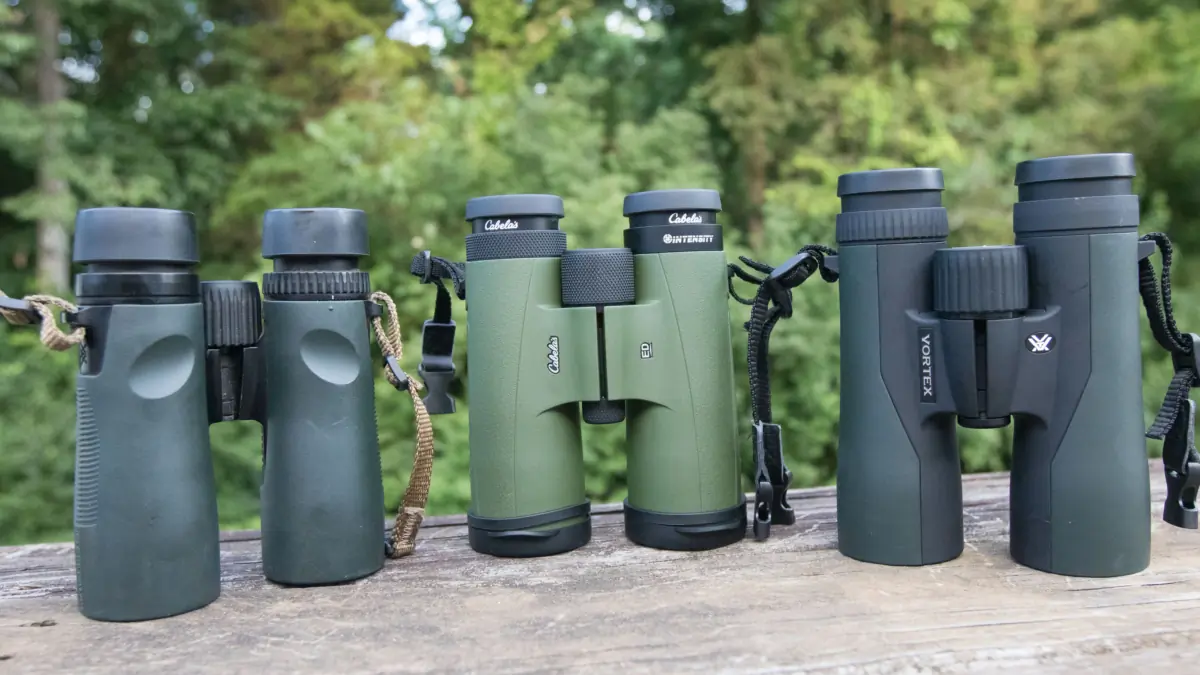
Bushnell models span from casual to mid-range, with a strong reputation in the value space.
What Bushnell does not offer is the final 10 percent of optical refinement found in names like Nikon, Vortex, or Leica. Edge sharpness and glare control are good rather than exceptional. For a camper who pulls out binoculars a few times per trip, that trade-off is easy to live with. For someone who spends an hour scanning a ridgeline most evenings, the step up is noticeable.
A practical strength of Bushnell is availability. Replacement parts, accessories, and replacement lens caps are easier to find than for smaller brands. If you want a legitimate waterproof binocular at a modest budget, Bushnell is consistently in the conversation.
Bottom line: Bushnell is the sensible value play—reliable, weatherproof, and honest about what you are paying for.
Vortex Optics for Camping
Vortex has built one of the strongest followings in the outdoor community, and for camping it is easy to see why. The company pairs solid optics with the best warranty in the business: an unconditional lifetime VIP warranty that follows the product, not the original owner, and covers accidental damage.
That last part matters when camping. A slips-off-the-tailgate moment that would total some binoculars becomes a repair story with Vortex.
For camping, the Diamondback and Viper lines are the most relevant. The Diamondback is a workhorse at a mid-range price. The Viper steps up optical quality with better glass, improved color fidelity, and a brighter view in low light. Both are fully waterproof, fog-proof, and armored.
The reason Vortex lands so high for campers is balance. A Vortex 8×42 Diamondback is light enough to carry, bright enough for dusk, sharp enough for most viewing, and backed by a company that will actually fix it. If your camping involves hunting in low light, the Viper line is worth the extra cost.
The main compromise is weight and minor optical polish at the entry end. Diamondback models are not the lightest in class, and the image, while bright, can show slight edge softness that picky observers notice.
Bottom line: Vortex is the best mix of warranty security, optical competence, and field-ready build for serious campers.
Celestron Binoculars for Campers
Celestron is better known for telescopes, but its binocular range quietly covers the entry-level-to-midrange camping niche with genuine value. Most models live under $200, making them a common starting point for new campers and families.
What you get at that price is often surprising: fully multi-coated lenses, waterproof construction on many models, and compact bodies that are easy to pack. The Nature DX line is the standout camping pick, offering phase-coated roof prisms and a body that does not feel disposable.
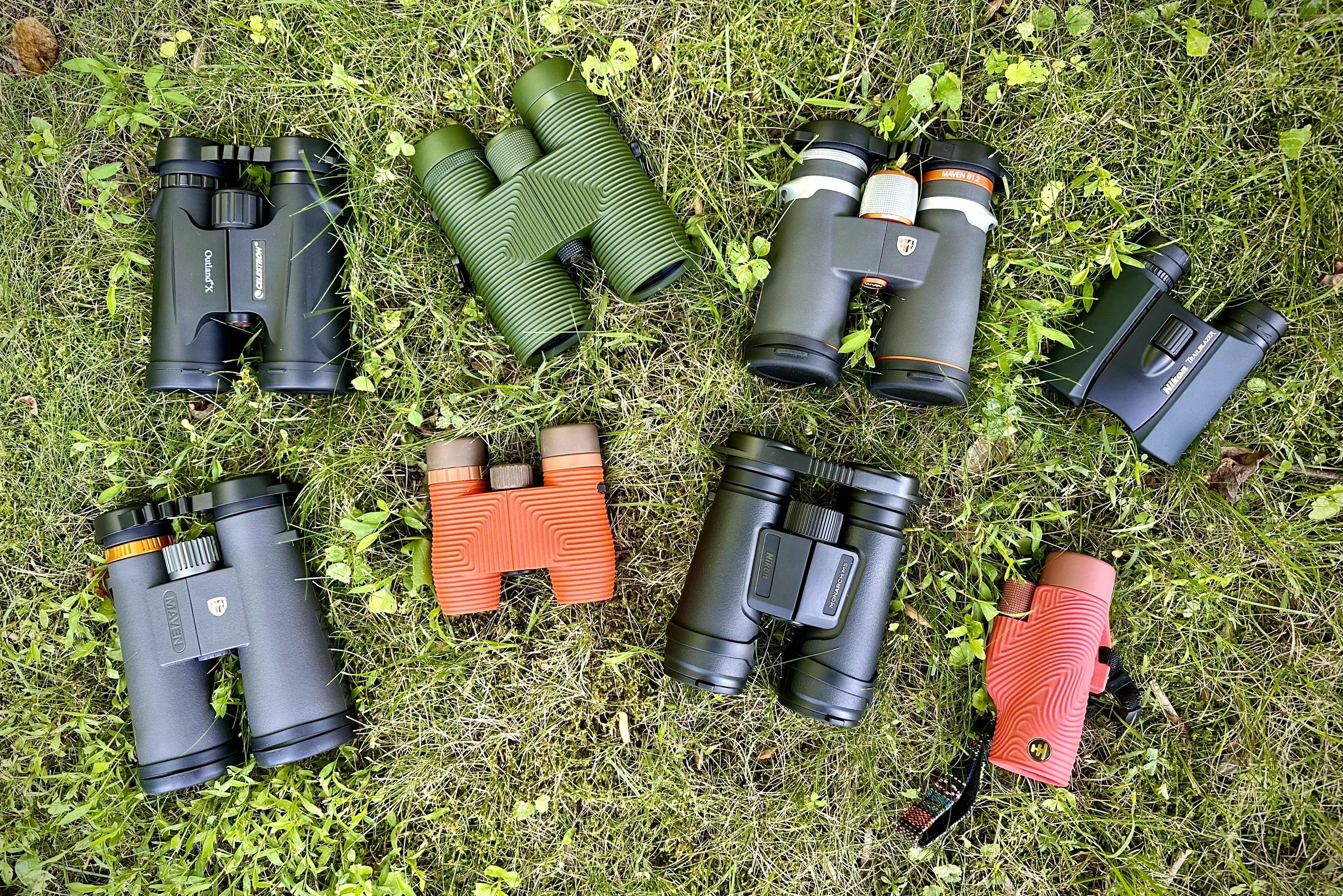
Compact models like these are easy to pack but trade some brightness for weight savings.
Naturally, corners are cut somewhere. The focus mechanisms on budget Celestrons can feel less precise, and build materials include more plastic than premium brands. But for the price, the optical return is difficult to criticize. If you are outfitting a family or want a backup pair without spending real money, Celestron makes sense. The same logic applies if you are comparing what kids' binoculars cost and want a step above the toy tier.
Bottom line: Celestron is the budget-through-midrange value leader, ideal for casual campers and families.
Leica Binoculars in Camping
Leica sits at the premium end of the spectrum, and its binoculars show it immediately. The view through a Leica has a kind of clarity and color neutrality that cheaper glass cannot replicate—edges stay sharp, contrasts feel natural, and the image holds up in difficult light.
For camping, the Trinovid line is the practical entry point, while Ultravid and Noctivid models push optical and mechanical refinement further. They are all waterproof, fog-proof, and built to standards that assume years of hard outdoor use.
So who should actually buy one for camping? The honest answer is: someone who will use it a lot and who can feel the difference. A Leica is an heirloom-quality tool. The magnesium body, pin-sharp focus knob, and superb glass are not spec-sheet features—they are things you appreciate every time you raise the binocular.
The trade-off is cost, and there is no way around it. Leica does not make a cheap binocular, and accidentally damaging a $1,400 optic in a tent is a real consideration. If you are storing it in a stuff sack full of cookware, you are not in the Leica demographic. If you treat your optics with care and want the best view available, the brand earns its place.
If you want to understand what that level of built quality actually buys you in a roof-prism design, it helps to know how these binoculars are constructed.
Bottom line: Leica is the no-compromise choice for campers who view optics as a lifelong purchase.
Comparing the Leading Brands
| Brand | Price Range | Strengths | Typical Warranty | Best For |
|---|---|---|---|---|
| Nikon | $$–$$$ | Consistency, low-light clarity, smooth focus | ~5–10 years | All-around campers |
| Bushnell | $–$$ | Value, waterproofing, availability | Varies by model | Casual and budget buyers |
| Vortex | $$–$$$ | Lifetime warranty, balanced optics, durability | Lifetime VIP | Serious outdoor users |
| Celestron | $–$$ | Lightweight, affordable, compact | ~2 years–lifetime by line | Beginners and families |
| Leica | $$$$ | Premium glass, superb build, color fidelity | ~10 years–limited | Dedicated enthusiasts |
Two factors dominate the comparison: how often you use binoculars and how much you trust yourself to protect them. Frequent use at dawn and dusk argues for Nikon or Vortex. Hard use where accidents happen argues for the Vortex warranty. Occasional use on a budget argues for Celestron or Bushnell. The pursuit of the best possible view argues for Leica.
Warranty language deserves a closer look in the mid-range. A five-year warranty that covers only manufacturing defects is very different from a lifetime warranty covering accidents. It is worth verifying before buying—an uncomfortable number of buyers discover this after a dropped binocular.
How to Match a Binocular to Your Camping Style
The brands above are tools. The right tool depends on the trip.
Backpacking and long-distance hiking: Prioritize weight. An 8×32 or compact 8×28 from Nikon, Celestron, or the lighter Vortex models will be there when you want it without taxing you when you do not.
Base camping and family trips: Prioritize ease of use and a forgiving price. A full-size 8×42 Bushnell or Celestron is easy for multiple users to share, bright at dusk, and less painful to replace if a kid drops it.
Dawn/dusk wildlife viewing: Prioritize objective lens size and coating quality. A 10×42 from Nikon Monarch, Vortex Viper, or a full-size Leica pulls detail out of shadows that lesser glass misses entirely.
Mixed use including stargazing: A 10×50 is heavier but opens up the night sky around camp. If you want one binocular that crosses from daytime camp scanning to evening astronomy, some of the best all-purpose picks for both uses fit that brief well.
Glasses wearers: Eye relief becomes the first filter, often before brand. You will want at least 15–16 mm and ideally a twist-up eyecup with firm intermediate stops. Dedicated guidance on this is worth the read before you order anything.
A practical habit: if you can, handle the binocular before buying. Bring your pack, shoulder it, and check that the focus wheel falls naturally under your index finger while wearing gloves. No spec sheet tells you that.
Tips for Choosing the Right Binoculars
There are a few things specs will not tell you, and they matter more than most buyers expect.
Check the focus action. The wheel should turn smoothly with consistent resistance in both directions. Gritty or loose focus is the first thing to fail on a cheap binocular.
Assess eye comfort. If you wear glasses, put them on. Roll the eyecups through every position. If you see crescent-shaped shadows or have to hold the binocular at an odd distance, the eye relief is wrong for you.
Get familiar with your diopter adjustment. Most binoculars have a right-eye diopter to compensate for the difference between your eyes. A common mistake is never setting it, which leads to one eye working against the other and a vague sense of strain. If you want the process broken down, learning how to focus a roof-prism binocular properly is time well spent.
Plan for fog. Cold mornings are a feature of camping. A waterproof, nitrogen-purged binocular resists internal fog, but external condensation still happens when warm glass meets cold air. Knowing how to prevent fogging will save early-morning frustration.
Buy from somewhere with a return policy. The only real optical test is looking through the binocular yourself. A seller that allows a return or exchange removes the risk of buying sight unseen.
Frequently Asked Questions
What brands make the best camping binoculars overall?
Nikon and Vortex lead for most campers because they balance optical quality, durability, and support. Bushnell and Celestron offer strong budget alternatives, while Leica represents the premium tier.
Are expensive camping binoculars worth the cost?
For frequent users, yes. The jump from a $150 binocular to a $350–$700 model is usually dramatic in sharpness, low-light performance, and mechanical feel. Above that, gains become incremental and mostly appeal to enthusiasts.
What magnification is best for camping?
8x is the most versatile because it is steadier to hold and offers a wider field of view. 10x works well for open terrain and longer-distance viewing but shows more hand shake and a narrower view.
Are compact binoculars good for camping?
Yes, for weight-conscious users. An 8×32 or smaller is easier to carry and often still waterproof. The trade-off is reduced low-light performance compared with a full-size 8×42 or 10×42.
Do I need waterproof binoculars for camping?
In most climates, yes. Condensation, rain, and humidity are common camping realities, and waterproof construction with internal purging is the most reliable way to prevent internal fogging and long-term lens damage.
Which brand has the best warranty for outdoor use?
Vortex stands out with its unconditional lifetime VIP warranty, which covers accidental damage and follows the binocular even if ownership changes hands. Few brands in the outdoor optics space match that.
Conclusion
The best camping binocular brand is not a single answer—it is the one that matches how you camp, how often you use your optics, and what you are willing to spend.
Choose Nikon for dependable all-around performance and excellent low-light clarity. Choose Bushnell or Celestron when budget matters and you still want genuine weather protection. Choose Vortex if you want proven optics wrapped in the security of a lifetime warranty. Choose Leica when the view itself is the point and you are willing to invest in it.
Whatever you choose, protect the investment with basic care. Keep lenses clean with the right cloth, avoid wiping grit into the glass, and store the binocular somewhere dry. A well-maintained pair of binoculars—taught to anyone, including kids who will inherit the habit—will outlast several tents and plenty of campsites.
The right binocular changes the way you experience the outdoors. Buy deliberately, treat it as gear, and you will carry it on every trip for years.