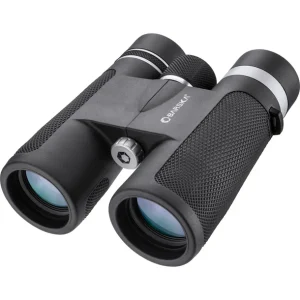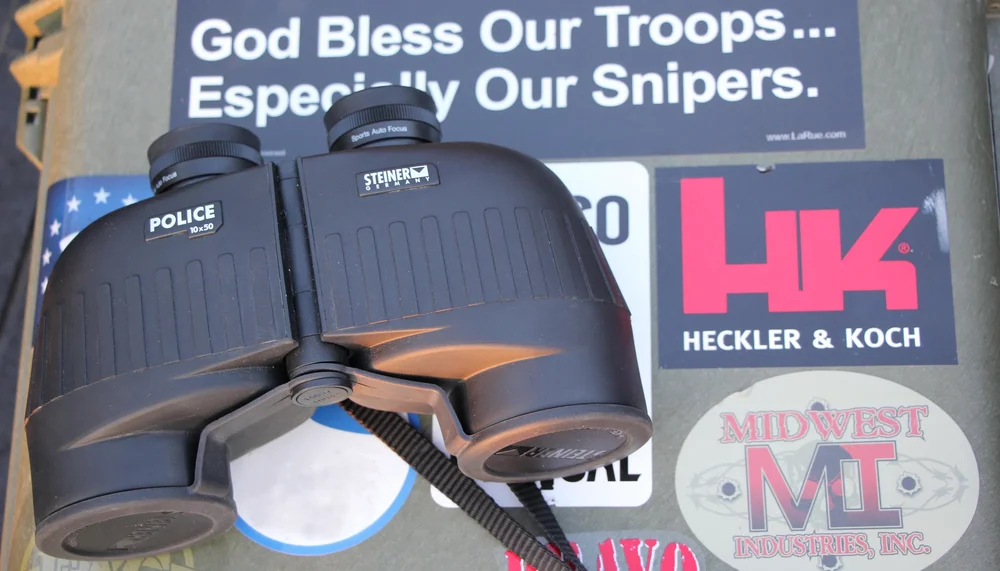
When you rely on binoculars for surveillance, especially in extreme weather, you can’t afford to have your gear fail. Rain, snow, fog, or intense heat can quickly turn an ordinary pair of binoculars into a useless tool.
You need equipment that stands strong no matter what nature throws at it. You’ll discover which binoculars are built to handle tough conditions and keep your vision clear. Keep reading to find out how to choose the right pair that won’t let you down when it matters most.
Key Features For Extreme Weather Binoculars
Binoculars used for surveillance in harsh weather need special features. These features help the binoculars work well in rain, snow, and fog.
Choosing the right binoculars means looking at how they handle water, fog, and rough use. The lens quality also matters a lot for clear views.
Weatherproof And Waterproof Ratings
Weatherproof binoculars resist light rain and dust but are not fully sealed. Waterproof binoculars have full seals to keep water out even in heavy rain or submersion.
Look for IP ratings or ATM ratings to know how well binoculars resist water and weather. A good rating means you can use them safely in storms or wet conditions.
- IPX7 or higher means waterproof protection
- ATM ratings show water resistance in meters
- Weatherproof models protect against dust and light rain
Fog And Moisture Resistance
Fog can block your view through binoculars. Many models use nitrogen or argon gas to stop internal fogging. This keeps lenses clear inside the binoculars.
Sealed tubes prevent moisture from entering and causing fog or mold. This feature is key for cold or humid environments.
- Gas purging prevents inside fogging
- Sealed designs block moisture entry
- Essential for cold or wet climates
Durability And Build Quality
Strong, tough materials protect binoculars from drops and rough use. Rubber coatings add grip and shock resistance. Metal or high-quality plastic frames add strength.
Look for binoculars that meet military or industrial standards for durability. They last longer in tough outdoor settings.
- Rubber armor improves grip and shock resistance
- Metal or reinforced plastic frames increase strength
- Meets military or industrial durability standards
Lens Coatings And Light Transmission
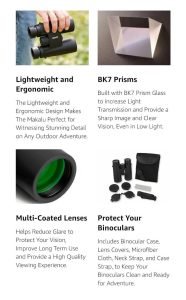
Lens coatings reduce glare and improve light passing through lenses. This gives a brighter and clearer image. Fully multi-coated lenses offer the best light transmission.
Good coatings help you see details in low light or foggy conditions. This is important for surveillance at dawn, dusk, or bad weather.
- Fully multi-coated lenses increase brightness
- Reduce glare and reflections
- Better visibility in low light and fog

Credit: www.amazon.com
Types Of Binoculars Suitable For Harsh Conditions
Choosing the right binoculars for extreme weather is important for clear surveillance. Some binoculars handle rain, snow, and dust better than others.
Durability, design, and special features affect how well binoculars perform in tough environments. Let’s look at the types that work best.
Roof Prism Vs. Porro Prism Designs
Roof prism binoculars have straight barrels and a compact shape. They are lighter and easier to carry in bad weather.
Porro prism binoculars are bulkier but offer better depth and wider views. They may be less waterproof but often have stronger glass.
- Roof prism: compact, durable, good for rain and snow
- Porro prism: wider field of view, bulkier, may need extra protection
Night Vision And Thermal Options
Night vision binoculars let you see in very low light. They use special technology to amplify light for clear images.
Thermal binoculars detect heat instead of light. They work well in total darkness and through fog or smoke.
- Night vision: best for low-light or night surveillance
- Thermal: detects heat, works in fog and darkness
- Both types help in extreme weather and low visibility
Compact Vs. Full-size Models
Compact binoculars are small and easy to carry. They are good for quick use but may have smaller lenses.
Full-size binoculars have larger lenses. They offer brighter images and better details but are heavier.
- Compact: lightweight, portable, less bright in low light
- Full-size: brighter view, heavier, better for long surveillance
- Choose based on how long and where you will use them
Top Binoculars For Cold Weather
Binoculars used in cold weather must handle freezing temperatures well. They need to work clearly even in snow or ice. Many models come with special features to prevent fogging and freezing.
This guide looks at binoculars that perform best in cold and harsh weather. It covers their anti-freeze features, how they work in snow, and what users say.
Models With Anti-freeze Features
Binoculars with anti-freeze features usually have nitrogen or argon gas inside. This stops moisture from entering and fogging up the lenses. Rubber coatings help protect from cold and shocks.
- Nitrogen or argon gas prevents internal fog
- Rubber armor offers grip and shock resistance
- Waterproof seals keep out moisture and dust
- Lens coatings reduce glare and improve clarity
Performance In Snow And Ice
In snowy or icy conditions, binoculars with good seals stay clear. They resist frost buildup on the lenses. These binoculars keep focus and image brightness even in low light.
- Clear images despite cold and snow
- Quick adjustment without freezing up
- Strong build handles cold shocks
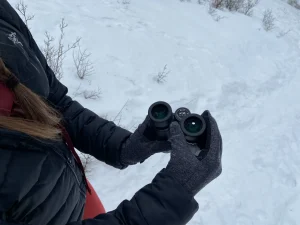
- Easy to use with gloves on
User Reviews And Ratings
Users often praise binoculars that stay clear in cold weather. They note how well the anti-fog and waterproof features work. Many highlight comfort during long outdoor use.
- High marks for clarity in freezing temperatures
- Positive feedback on durability and grip
- Good ratings for ease of use with gloves
- Some mention weight as a factor for long use
Best Binoculars For Hot And Humid Climates
Choosing binoculars for hot and humid climates can be tough. These conditions affect the materials and clarity.
Good binoculars must resist heat, stop fog, and handle sweat and dust well for clear surveillance.
Heat-resistant Materials
Binoculars for hot climates use special materials that do not warp or melt. This keeps the lens and body stable.
Materials like rubber-coated aluminum and polycarbonate help binoculars stay strong in heat. They also feel comfortable to hold.
- Aluminum frames with rubber coating
- Polycarbonate bodies for lightweight strength
- Heat-resistant lens coatings
- Sealed joints to protect internal parts
Fog Prevention In High Humidity
Humidity causes fog inside binocular lenses. Good binoculars use nitrogen or argon gas to stop this fog.
This gas fills the inside and keeps moisture out. It helps keep the view clear even in wet weather.
- Nitrogen or argon gas purging
- Waterproof seals to block moisture
- Anti-fog lens coatings
Durability Against Sweat And Dust
Sweat and dust can damage binoculars over time. Durable models have tight seals and tough outer layers.
These features protect the binoculars during long surveillance in harsh environments.
- Rubber armor for grip and protection
- Sealed eyepieces to keep out dust
- Corrosion-resistant parts
- Easy to clean surfaces
Binoculars For Rainy And Wet Environments
Using binoculars in rainy or wet conditions can be tough. Water can blur your view and damage the device. Choosing the right binoculars helps you see clearly and protect your gear.
Some binoculars are made to handle rain, fog, and splashes. They use special designs to keep water out and keep lenses clear. These features make them good for outdoor use in wet weather.
Waterproof Sealing Technologies
Waterproof binoculars use seals to stop water from entering. These seals keep the inner parts dry. They protect against rain, snow, and even accidental drops in water.
Many models use O-ring seals and special adhesives. These block all openings where water could get in. Some binoculars are also filled with nitrogen gas to prevent fogging inside.
- O-ring seals prevent water and dust entry
- Nitrogen gas stops internal fogging
- Strong adhesives secure sealing points
- Fully sealed bodies resist heavy rain
Lens Protection Against Water Spots
Lenses get water spots that blur vision. Special coatings help repel water drops. These coatings make water bead and roll off the lens quickly.
Anti-reflective coatings improve light transmission. Hydrophobic coatings reduce water marks. This keeps the view clear, even in heavy rain or mist.
- Hydrophobic coatings repel water
- Anti-reflective coatings enhance clarity
- Scratch-resistant layers protect lens surface
- Easy-to-clean lenses maintain good vision
Handling And Grip In Wet Conditions
Wet hands can make binoculars slip. Rubber armor on the body gives a firm grip. This armor also adds shock protection if dropped.
Ergonomic designs help hold binoculars steady. Textured surfaces reduce slipping. Some binoculars have straps for extra security in rain or snow.
- Rubber coating ensures a non-slip grip
- Textured surfaces improve handling
- Ergonomic shapes fit comfortably in hands
- Straps provide added safety in wet weather
Additional Features For Surveillance Use
Choosing binoculars for extreme weather surveillance means looking beyond basic specs. Extra features help you see clearly and use the device comfortably. These features improve your chances of spotting details in tough conditions.
Binoculars with the right additional features give you better control and clearer views. This guide covers key features that make binoculars suitable for harsh environments and surveillance tasks.
Magnification And Field Of View
Magnification lets you see objects far away in detail. A high magnification is good, but it can reduce your field of view. Field of view is how wide an area you can see through the binoculars.
A wide field of view helps you track moving targets and scan large areas quickly. For surveillance, balance is key: choose binoculars with medium to high magnification and a wide field of view.
- 8x to 12x magnification suits most surveillance needs
- Wide field of view means easier target tracking
- Low magnification gives more stability and brightness
Stabilization And Image Clarity
Stabilization reduces shaking from hand movements. It helps keep the image steady, especially at higher magnifications. This is important in windy or unstable conditions.
Image clarity depends on lens quality and coatings. Good coatings reduce glare and improve light transmission. This makes images brighter and clearer in low light or fog.
- Optical image stabilization reduces hand shake
- Multi-coated lenses improve brightness and clarity
- Waterproof and fog-proof lenses protect image quality
Mounting And Hands-free Options
Mounting options let you fix binoculars on tripods or stands. This frees your hands and keeps the view steady for long periods. Hands-free use is helpful for continuous surveillance.
Some binoculars come with straps or harnesses. These hold the device securely and reduce fatigue. Quick-release mounts make it easy to switch between handheld and mounted use.
- Tripod adapters allow stable mounting
- Neck straps or harnesses provide comfort
- Quick-release mounts enable fast setup changes
Maintenance Tips For Extreme Weather Binoculars
Binoculars for extreme weather need special care. Proper maintenance keeps them working well.
Cleaning, storage, and regular checks help protect your binoculars from harsh conditions.
Cleaning And Storage Practices
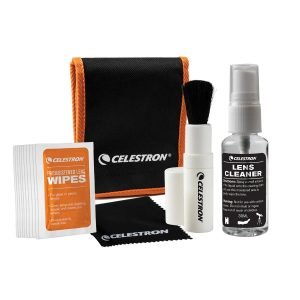
Clean binocular lenses with a soft cloth and lens cleaner. Avoid using rough materials or harsh chemicals.
- Use a blower brush to remove dust and dirt.
- Wipe lenses gently with a microfiber cloth.
- Store binoculars in a dry, padded case.
- Keep silica gel packs in the case to absorb moisture.
- Do not store binoculars in direct sunlight or damp places.
Preventing Damage From Elements
Protect binoculars from rain, snow, dust, and extreme temperatures. Use covers or waterproof cases.
| Element | Protection Method |
| Rain | Use waterproof covers or cases |
| Dust | Keep binoculars in sealed cases |
| Snow | Dry binoculars immediately after use |
| Extreme heat | Store in shaded, cool areas |
| Extreme cold | Keep binoculars warm before use |
Routine Checks And Repairs
Check binoculars often for damage or wear. Fix small problems before they get worse.
- Inspect lenses for scratches or cracks.
- Check the focus mechanism for smooth operation.
- Test waterproof seals for leaks.
- Tighten loose screws and parts.
- Seek professional repair for major issues.

Credit: huntthenight.com.au

Credit: www.amazon.com
Frequently Asked Questions
What Features Make Binoculars Suitable For Extreme Weather?
Binoculars suitable for extreme weather have waterproof and fog-proof construction. They use nitrogen or argon purging to prevent internal fogging. Durable, rubber-armored bodies protect against shock and harsh conditions. High-quality lens coatings enhance clarity despite rain, snow, or dust.
Which Binoculars Are Best For Cold Weather Surveillance?
Binoculars with anti-fog lenses and thermal insulation work best in cold weather. Look for models with rubber coatings for grip while wearing gloves. Waterproof and fog-proof features ensure clear vision during snow or ice conditions. Brands like Vortex and Bushnell offer reliable cold-weather options.
How Do Binoculars Perform In Hot And Humid Environments?
Binoculars with sealed, waterproof designs resist moisture and humidity damage. Anti-fog coatings prevent lens misting in humid conditions. Models with rubber armor handle heat and provide a secure grip. Proper maintenance helps maintain performance in tropical or desert climates.
Can You Use Binoculars During Heavy Rain Or Snow?
Yes, waterproof and fog-proof binoculars are designed for heavy rain or snow. Rubber armoring offers extra protection against impacts and slipping. Quality lens coatings maintain clarity despite water exposure. Always choose models rated for IPX7 or higher for extreme wet conditions.
Conclusion
Choosing the right binoculars is key for extreme weather surveillance. Consider durability and weather resistance. Opt for models with waterproof and fog-proof features. These ensure clear vision in harsh conditions. Lightweight designs improve mobility and ease of use. High-quality lenses enhance visibility.
This aids in precise surveillance tasks. Reliable binoculars withstand rain, snow, and dust. They offer consistent performance. Investing in suitable equipment boosts efficiency. It also enhances safety in challenging environments. Make an informed choice to meet your surveillance needs.