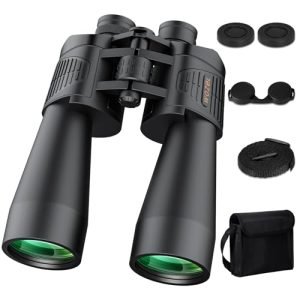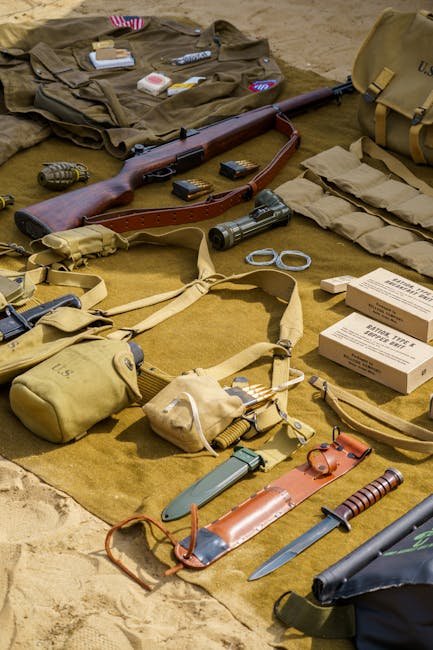
When you’re part of a tactical recon unit, every detail counts. Your ability to see clearly, spot threats early, and gather vital information can make all the difference.
That’s why choosing the right binoculars isn’t just about magnification or brand—it’s about what truly supports your mission. You’ll discover which binoculars are built to handle tough conditions, provide sharp images, and give you the edge you need in the field.
Keep reading to find out how to pick binoculars that will become your most trusted tool on every operation.
Key Features For Tactical Binoculars
Tactical reconnaissance units need binoculars that meet tough demands. These tools help soldiers see far and clear in all conditions. Choosing the right binoculars is key for mission success.
This guide covers the main features tactical binoculars must have. Each feature helps users perform better in the field.
Durability And Build Quality
Tactical binoculars must resist rough use and harsh weather. Strong materials like rubber armor protect against drops and impacts. They also need to be waterproof and fog proof.
A solid build keeps the lenses safe and ensures the device lasts long in the field.
Magnification And Lens Size
The right magnification lets users see distant targets clearly. Lens size affects how much light the binoculars gather.
- Higher magnification helps see far but may reduce image stability.
- Larger lenses improve brightness and clarity in low light.
- Common setups include 8×42 or 10×50 for balance between power and light.
Field Of View And Clarity
Wide field of view helps users scan large areas quickly. Clear images reduce eye strain and improve target identification.
| Feature | Importance |
| Wide Field of View | See more area fast |
| High Resolution | Sharp, clear images |
| Low Distortion | True shape and size of objects |
Night Vision And Low Light Performance
Tactical binoculars often work in dark or dim conditions. Night vision helps see without light. Good low light performance uses special coatings to brighten images.
These features allow troops to operate effectively at dawn, dusk, or night.
Weight And Portability
Lightweight binoculars reduce fatigue during long missions. Compact size helps carry them easily with other gear.
| Weight (oz) | Portability |
|---|---|
| Under 25 | Very easy to carry |
| 25 to 35 | Moderate, balanced use |
| Above 35 | Heavy, less portable |
Types Of Binoculars For Recon Units
Binoculars are key tools for tactical reconnaissance. They help units see far and gather information safely. Different types suit different missions and conditions.
Choosing the right binocular depends on the task, environment, and technology needed. Here are common binocular types used by recon teams.
Standard Optical Binoculars
Standard optical binoculars use lenses and prisms to magnify distant objects. They work well in daylight and clear weather. These binoculars are light and easy to carry.
They offer clear, bright images and are simple to use. Many recon units choose them for their reliability and quick focus ability.
Rangefinder Binoculars
Rangefinder binoculars combine magnification with distance measurement. They use lasers to find how far away an object is. This helps in planning and targeting.
- Measure distance quickly and accurately
- Help estimate enemy position
- Improve coordination in the field
- Useful in both day and low-light conditions
Infrared And Thermal Binoculars
Infrared and thermal binoculars detect heat signatures. They let users see in darkness, smoke, or fog. These tools reveal hidden enemies or vehicles.
| Feature | Infrared Binoculars | Thermal Binoculars |
| Detection Type | Near-infrared light | Heat radiation |
| Best Use | Night vision with some light | Complete darkness and obscured views |
| Image Output | Black and white or green hues | Heat map with colors |
| Range | Short to medium distances | Medium to long distances |
Digital And Smart Binoculars
Digital binoculars use cameras and screens to show images. Smart models include GPS, video recording, and zoom functions. They can share data with team members.
- Capture and store images and videos
- Use GPS for location tracking
- Offer digital zoom and image enhancement
- Connect wirelessly to other devices
Top Brands And Models
Binoculars help tactical recon units see far and clear. They need strong, reliable tools for tough missions.
We look at top binocular types. These include military-grade, popular commercial, and budget-friendly models.
Military-grade Options
Military-grade binoculars offer durability and excellent optics. They often have night vision or range-finding features.
- Steiner Military-Marine 8×30: Tough, waterproof, and clear view.
- Leica Geovid 10×42: Built-in rangefinder with sharp images.
- Zeiss Victory RF 10×42: Durable with precise optics and rangefinder.
- Night Owl Optics NightShot: Night vision for low-light operations.
Popular Commercial Models
Commercial binoculars offer good quality for less cost. They suit users needing reliable performance without military specs.
| Brand | Model | Magnification | Features |
| Vortex | Viper HD 10×42 | 10x | Fog proof, waterproof, HD lenses |
| Nikon | Monarch 5 8×42 | 8x | Lightweight, waterproof, good clarity |
| Bushnell | Legend Ultra HD 10×42 | 10x | ED glass, waterproof, great color |
| Swarovski | EL 10×42 | 10x | Excellent optics, durable build |
Budget-friendly Choices
These binoculars balance cost and performance. They fit tight budgets but still work for recon tasks.
- Aurosports 10×42: Affordable, good magnification, decent image.
- Bushnell Falcon 10×50: Large lenses, clear view at low price.
- Cooper 10×42: Lightweight, waterproof, good for beginners.

Credit: www.armysurplusworld.com
Customizing Binoculars For Tactical Use
Binoculars are vital tools for tactical reconnaissance units. Customizing them enhances mission efficiency. Adjusting features helps users adapt to different environments and tasks.
Proper customization improves comfort, durability, and performance. This guide covers key areas to modify binoculars for tactical use.
Mounting And Accessories
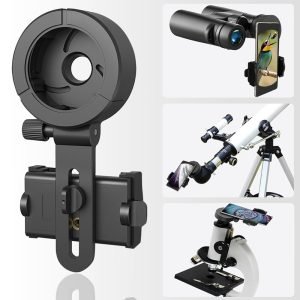
Mounting options and accessories let users attach binoculars securely and expand their use. Tactical units often require hands-free operation and quick access.
- Helmet mounts for easy viewing while moving
- Tripod adapters for stable, long-term observation
- Neck straps with quick release for safety and comfort
- Protective covers to shield lenses from damage
- Lens caps that attach to prevent loss
Lens Coatings And Filters
Lens coatings and filters improve image clarity and protect the optics. Different coatings reduce glare and enhance vision in various light conditions.
| Coating/Filter Type | Benefit | Use Case |
| Anti-reflective Coating | Reduces glare and improves light transmission | Low-light or bright conditions |
| Infrared (IR) Filter | Blocks IR light to improve image contrast | Night operations with IR illumination |
| Polarizing Filter | Reduces reflections from water or glass | Observation near water or shiny surfaces |
| UV Protection Coating | Protects eyes from harmful UV rays | High altitude or sunny environments |
Integration With Other Equipment
Integrating binoculars with other tactical gear increases functionality. This integration supports better communication and data sharing.
Common integration features include:
- Connection ports for digital cameras or rangefinders
- Compatibility with night vision devices
- Mounts for heads-up displays (HUDs)
- Wireless links to GPS and communication tools
Maintenance And Care In The Field
Binoculars are vital tools for tactical recon units. Proper care keeps them working well during missions. Field conditions can be harsh and may damage optics.
Regular maintenance extends the life of binoculars. It also ensures clear vision and reliable performance in critical situations.
Cleaning Techniques
Keep lenses clean to get a clear view. Dirt and smudges can block sight and reduce accuracy. Use soft tools to avoid scratches.
Use a lens brush or air blower to remove dust. Wipe lenses gently with a microfiber cloth. Avoid using rough materials or household cleaners.
- Remove dust with a soft brush or air blower
- Use a microfiber cloth to wipe lenses
- Apply lens cleaner made for optics if needed
- Never use paper towels or clothing to clean lenses
Storage Solutions
Store binoculars in a dry, cool place when not in use. Moisture can cause fogging and damage internal parts. Use protective cases to avoid impacts.
Keep binoculars away from direct sunlight and extreme temperatures. Use silica gel packs to absorb moisture inside storage cases.
- Use padded cases for protection
- Keep binoculars dry and cool
- Use silica gel packs to reduce moisture
- Avoid exposure to extreme heat or cold
Troubleshooting Common Issues
Binoculars may face problems like fogging, blurry images, or stiff focus knobs. Quick fixes can help in the field. Know how to handle these issues.
If lenses fog up, wipe them with an anti-fog cloth or use a small amount of anti-fog solution. For blurry images, adjust the focus or check for dirt on lenses.
- Fogging: Use anti-fog cloth or solution
- Blurry view: Clean lenses and refocus
- Stiff knobs: Gently loosen or clean debris
- Loose parts: Tighten screws carefully if possible
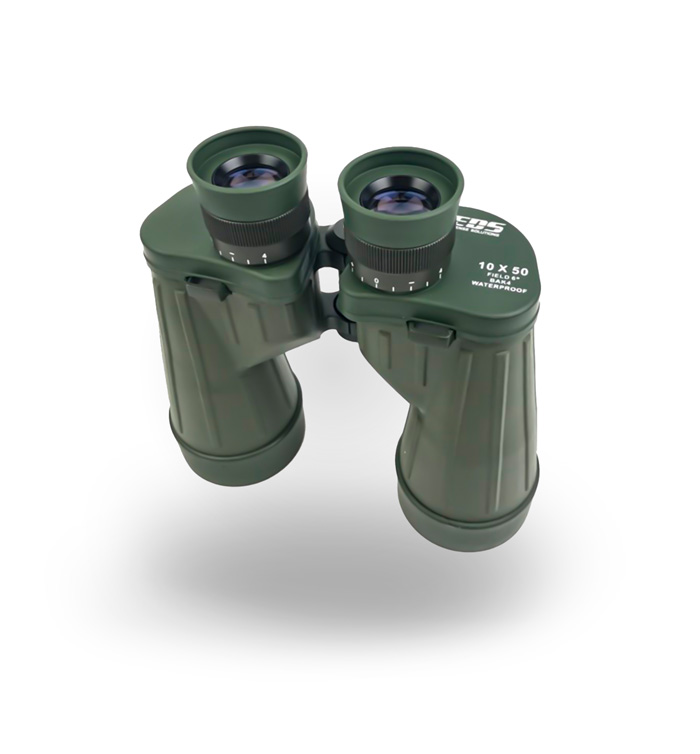
Credit: hedsusa.com

Credit: www.reddit.com
Frequently Asked Questions
What Features Make Binoculars Suitable For Tactical Recon?
Tactical binoculars need durability, waterproofing, and fog resistance. High magnification and wide field of view improve target detection. Lightweight and compact design aids mobility. Night vision or low-light capability is often essential for recon missions.
How Important Is Magnification In Tactical Binoculars?
Magnification between 7x to 10x is ideal for tactical use. It balances image clarity and stability. Higher magnification can cause image shake and reduce field of view. Proper magnification helps recon units observe targets clearly at various distances.
Are Night Vision Binoculars Necessary For Recon Units?
Yes, night vision binoculars enhance visibility in low-light or dark conditions. They improve situational awareness during night operations. Many tactical units rely on infrared or thermal imaging features. This capability increases mission success and safety during covert surveillance.
What Size And Weight Are Best For Tactical Binoculars?
Compact and lightweight binoculars are preferred for tactical use. They reduce fatigue during long missions and improve maneuverability. A size that fits easily in a backpack or tactical vest is ideal. Balance between size and performance is key for field effectiveness.
Conclusion
Tactical recon units need binoculars that are clear and durable. Good binoculars help spot targets from far away. They must work well in different weather and light. Compact size and easy handling make a big difference. Night vision or range-finding features add useful support.
Choosing the right binoculars improves safety and mission success. Always focus on quality and practical features. The right tool makes the job easier and faster.