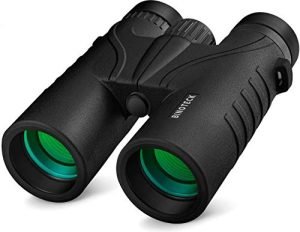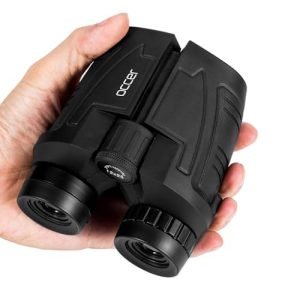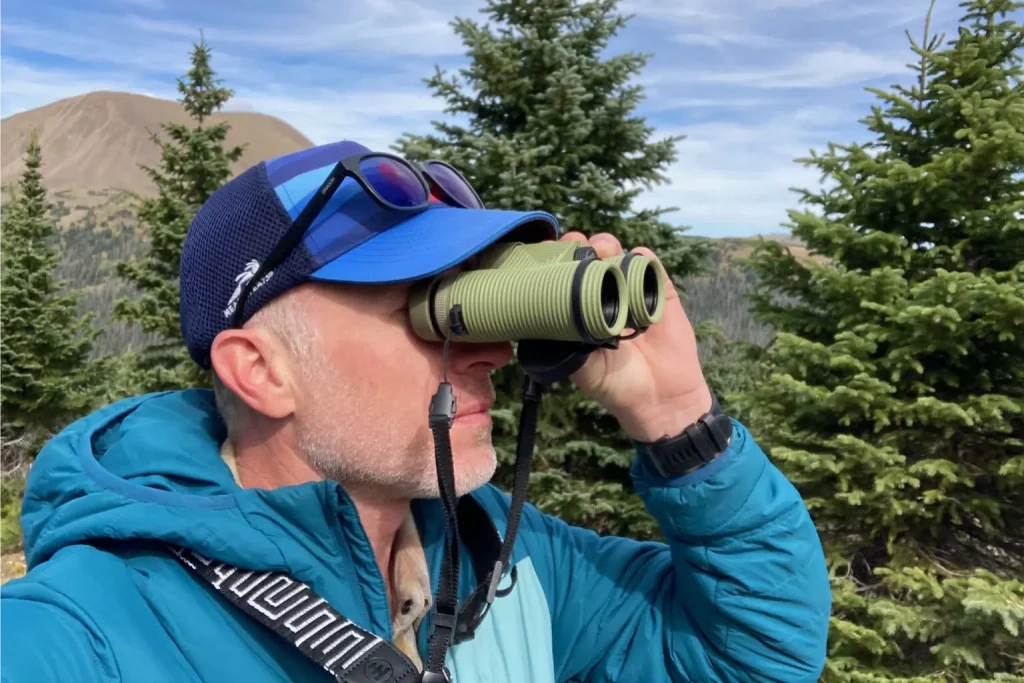
When lives are on the line, having the right tools makes all the difference. If you’re part of a snow rescue team, choosing the perfect pair of binoculars isn’t just about magnification—it’s about reliability, clarity, and durability in the harshest conditions.
You need binoculars that work flawlessly in freezing temperatures, help you spot someone in a vast snowy landscape, and can handle rough handling without failing. You’ll discover exactly what features to look for and which binoculars fit the bill. Keep reading to find out how to equip yourself with gear that could save lives.
Key Features For Snow Rescue Binoculars
Snow rescue teams need reliable binoculars for clear vision in tough conditions. The right binoculars help spot people and obstacles at a distance. Choosing the right features is important.
This guide covers key features to look for in binoculars for snow rescue work.
Durability And Weather Resistance
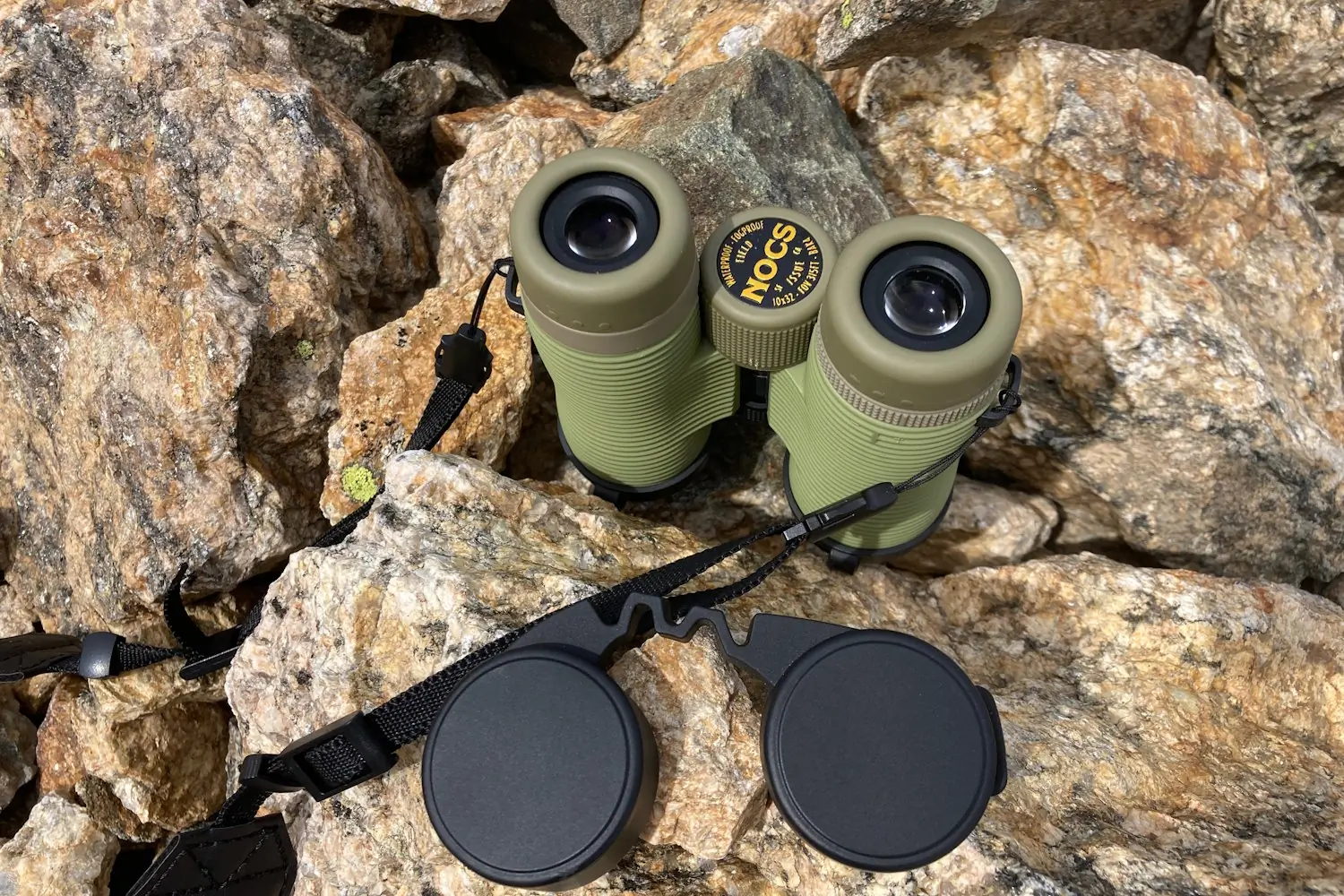
Snow rescue binoculars must resist cold, moisture, and rough use. Look for models with waterproof and fog-proof seals. Rubber armor protects against drops and shocks. These features keep binoculars working in harsh snow conditions.
Magnification And Field Of View
Magnification lets rescuers see distant objects clearly. A good field of view helps scan wide areas quickly. Too much magnification can make images shaky. Balance between power and view is key.
- 8x to 10x magnification is ideal for snow rescue
- Wide field of view covers more area
- Lower magnification offers steadier images
- Higher magnification helps see small details
Lens Quality And Coatings
Clear images need high-quality lenses and special coatings. These coatings reduce glare and improve light transmission. Fully multi-coated lenses give the brightest and sharpest views. This helps in low light and snowy glare.
| Feature | Benefit |
| Fully Multi-Coated Lenses | Brighter images with less glare |
| Phase Correction Coating | Sharper, clearer details |
| Wide Eye Relief | Comfortable viewing with goggles |
| Anti-Fog Treatment | Clear vision in cold, humid conditions |
Weight And Portability
Rescuers carry binoculars for long hours. Lightweight and compact models reduce fatigue. Easy to carry binoculars improve team mobility. Consider models with straps or cases for quick access.
- Choose binoculars under 1.5 pounds
- Look for compact designs with folding features
- Use padded straps or harnesses
- Store in protective cases

Credit: gearjunkie.com
Top Binocular Types For Snow Rescue
Snow rescue teams need binoculars that work well in cold and snowy conditions. Choosing the right type helps them spot people fast and clearly.
Different binocular designs offer unique benefits. This guide covers common types used by snow rescue teams.
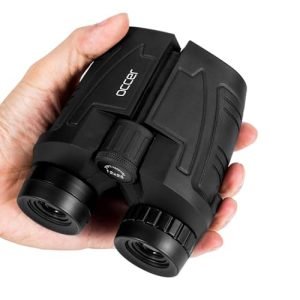
Roof Prism Binoculars
Roof prism binoculars have a straight shape that is easy to carry. They are compact and often waterproof, good for snowy weather.
These binoculars give clear images and are lighter than other types. Snow rescue teams like them for quick movements and long searches.
- Compact and lightweight
- Waterproof and fog proof
- Good image clarity
- Durable in cold weather
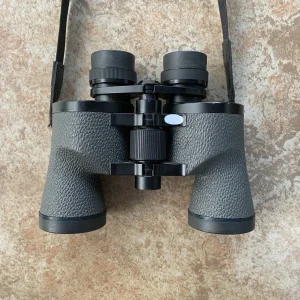
Porro Prism Binoculars
Porro prism binoculars have a wider shape and often provide better depth perception. They are usually bulkier but offer bright views.
These binoculars perform well in low light, which helps in snowy or foggy conditions. They may be heavier to carry for long times.
- Better depth perception
- Bright images in low light
- Bulkier and heavier
- Often less expensive
Compact Vs Full-size Models
Compact binoculars are small and easy to carry. Full-size models are bigger but give wider views and better detail.
Snow rescue teams choose based on their needs. Compact models suit fast movement. Full-size models help for long-distance spotting.
- Compact:Light, easy to carry, less detail
- Full-Size:Larger, heavier, better clarity and range
- Choose based on mission length and terrain
Recommended Binocular Models
Snow rescue teams need binoculars that work well in cold and snowy conditions. The right binoculars help spot people or hazards fast.
This guide lists binoculars that suit different rescue needs. Each model fits a special purpose for snow rescue work.
Best For Extreme Weather
Binoculars for extreme weather must resist cold, moisture, and fog. They stay clear and work in freezing temperatures.
- Waterproof and fog-proof features
- Rubber armor for extra grip in snow
- Wide temperature tolerance from -20°F to 140°F
Models like the Vortex Viper HD and Nikon Monarch 7 perform well in snow and ice. They are durable and reliable.
Best For Long-distance Viewing
Long-distance binoculars offer high magnification and clear images. They help spot targets far away in open snowy areas.
- Magnification of 10x or higher
- Large objective lenses for better light
- Sharp focus and wide field of view
Models such as the Bushnell Legend Ultra HD and Swarovski EL are great for seeing distant targets. They keep images sharp.
Best Lightweight Options
Lightweight binoculars reduce fatigue during long rescue missions. They are easier to carry and handle in snow.
- Compact and small size
- Weight under 20 ounces (around 570 grams)
- Still offer good brightness and focus
Models like the Zeiss Terra ED and Leica Ultravid BR are light and tough. They balance size and performance well.
Additional Features For Rescue Operations
Binoculars for snow rescue teams need more than just good optics. Special features help teams find people fast and stay safe in cold conditions.
These extra features improve the chances of success in difficult weather and low visibility. Let’s look at some key features.
Built-in Rangefinders
Rangefinders measure the distance to an object quickly. This helps rescue teams decide the best approach to reach a person in need.
- Allows fast distance reading without extra tools
- Improves accuracy in planning rescue routes
- Helps avoid dangerous terrain by knowing exact distances
- Works well in open snowy fields or forested areas
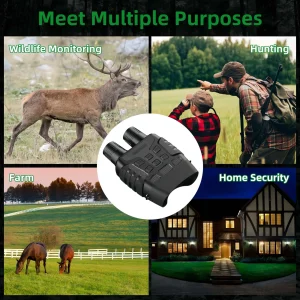
Night Vision Capabilities
Night vision lets rescue teams see clearly in the dark. Snow rescue often happens in low light or night hours.
| Type | Use | Benefit |
| Infrared Night Vision | Detects heat signatures | Finds warm bodies under snow |
| Low-Light Amplification | Boosts available light | Improves vision without extra light sources |
| Digital Night Vision | Electronic image processing | Clear images with recording option |
Anti-fog And Freeze Protection
Fog and ice can block views through binocular lenses. Rescue binoculars must resist fogging and freezing.
- Coated lenses reduce fog build-up
- Sealed bodies prevent moisture entry
- Gas-filled barrels stop internal fogging
- Rubber armoring keeps binoculars warm and grip safe
- Freeze-proof construction avoids damage in cold
Maintenance Tips For Snow Rescue Binoculars
Snow rescue binoculars need special care to work well in cold and wet conditions. Proper maintenance helps keep them clear and reliable during emergencies.
Follow simple steps to clean, store, and inspect your binoculars. These steps prevent damage and extend their life in harsh environments.
Cleaning After Exposure To Snow
After using binoculars in snow, remove moisture quickly. Snow melts and can cause fog or damage lenses.
Use a soft cloth to wipe off snow and water. Avoid using heat sources to dry them fast, as this can harm the lenses or seals.
- Gently brush off loose snow before opening the binoculars
- Use a microfiber cloth to dry lenses and body
- Allow binoculars to air dry at room temperature
- Do not use hot air or direct sunlight to dry
Storage In Harsh Conditions
Store binoculars in a dry, cool place after use. Avoid extreme cold or damp storage spots to prevent mold and damage.
Keep binoculars in a padded case with silica gel packs. These packs absorb moisture and protect lenses from fogging.
- Use a waterproof case for storage
- Place silica gel packets inside the case
- Keep binoculars away from direct sunlight
- Do not store binoculars in freezing temperatures
Regular Inspection And Repairs
Check binoculars often for scratches, cracks, or loose parts. Early repairs keep them ready for urgent use.
Test the focus and lens clarity regularly. Fix or replace damaged parts quickly to avoid failure during rescues.
- Inspect lenses for scratches or dirt
- Check focus mechanisms for smooth operation
- Look for cracks or damage on the body
- Send binoculars to a professional for repairs if needed

Credit: gearjunkie.com
Credit: gearjunkie.com
Frequently Asked Questions
What Features Make Binoculars Ideal For Snow Rescue Teams?
Binoculars for snow rescue should be waterproof, fog-resistant, and durable. High magnification and wide field of view enhance spotting efficiency in snowy conditions.
Why Is Waterproofing Important For Snow Rescue Binoculars?
Waterproof binoculars prevent damage from snow and moisture. This ensures clear vision and reliable performance during harsh weather rescue operations.
How Does Magnification Affect Snow Rescue Binoculars’ Usability?
Moderate magnification (7x-10x) balances detail and stability. It helps rescuers spot victims without image shakiness, crucial in snowy, windy environments.
Are Compact Binoculars Better For Snow Rescue Missions?
Compact binoculars are lightweight and easy to carry. However, full-size models often offer better optics and durability needed in tough snow rescue scenarios.
Conclusion
Choosing the right binoculars helps snow rescue teams work faster and safer. Clear vision and durability matter most in cold, snowy conditions. Binoculars with good grip, waterproof features, and wide view bring real benefits. Trustworthy gear supports quick decisions during rescue missions.
Teams can spot people and dangers from far away. This saves time and can save lives. Picking suitable binoculars is a smart step for every snow rescue team. The right tools make tough work easier and more effective.