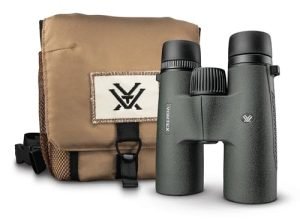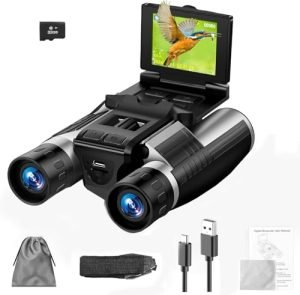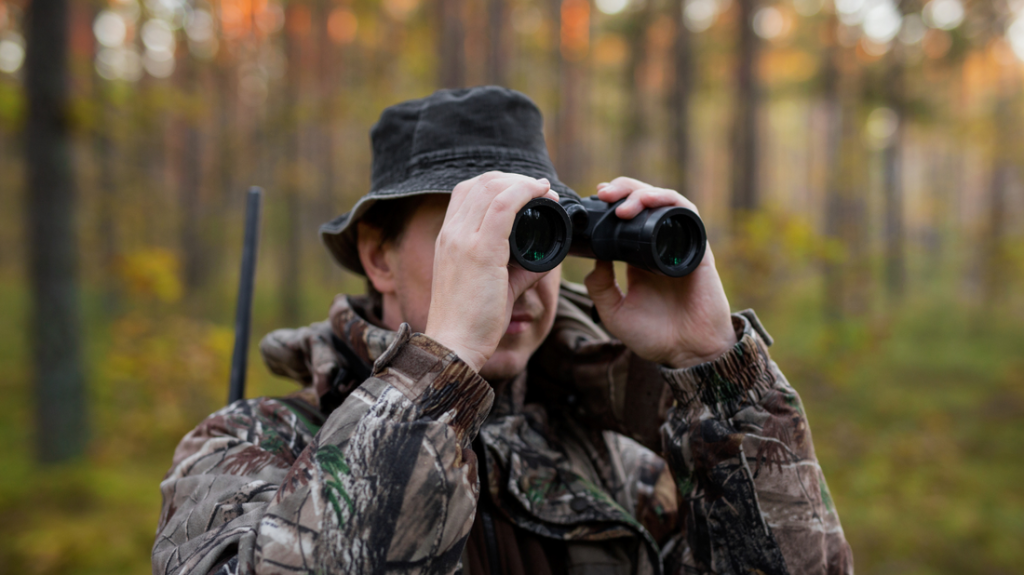
When you’re out in the field searching for someone or something, the last thing you want is equipment that fails you. Your binoculars need to be tough, reliable, and ready to handle any challenge.
But with so many options out there, how do you know which binoculars will stand up to the rough conditions of Search and Rescue (SAR) missions? You’ll discover the most durable binoculars designed to keep up with your demanding tasks.
By the end, you’ll feel confident choosing gear that won’t let you down when it matters most. Keep reading to find the perfect match for your SAR needs.
Credit: gearjunkie.com
Key Features For Sar Binoculars
Search and Rescue (SAR) binoculars need to perform well in tough conditions. They must be reliable and easy to use in emergencies. Choosing the right features helps find durable binoculars.
Durability, clear vision, and comfort are top priorities. These features help rescuers work safely and effectively.
Durability And Build Quality
SAR binoculars must resist drops, shocks, and rough use. Strong materials like rubber armor and metal frames protect the device. A solid build means the binoculars last longer in the field.
- Rubber coating for shock absorption
- Metal or magnesium alloy frame for strength
- Sealed housing to prevent dust entry
- Reinforced lenses to resist scratches
Water And Fog Resistance
Waterproof and fog-proof binoculars work well in rain, snow, and humid places. They use special seals and nitrogen or argon gas inside to stop moisture buildup. This keeps the view clear in bad weather.
| Feature | Benefit |
|---|---|
| O-ring seals | Stops water and dust entry |
| Nitrogen or argon purging | Prevents internal fogging |
| Waterproof rating (e.g., IPX7) | Ensures performance under water spray |
Optical Performance
Clear images are vital for spotting people or objects at a distance. Good SAR binoculars have high-quality lenses with coatings to reduce glare and improve brightness. Wide field of view helps scan large areas quickly.
- Multi-coated lenses for bright, sharp images
- High magnification with stable view
- Wide field of view for quick searching
- Close focus ability for near targets
Ergonomics And Handling
Comfort matters during long searches. Binoculars should be lightweight and easy to hold. Large focus wheels and adjustable eyecups help quick use with gloves or glasses. A good grip stops slipping in wet or cold conditions.
| Ergonomic Feature | Why It Matters |
|---|---|
| Non-slip rubber grip | Secure hold in all weather |
| Large focus wheel | Easy adjustment with gloves |
| Adjustable eyecups | Comfort for glasses wearers |
| Lightweight design | Less fatigue during long use |

Credit: gearjunkie.com
Materials That Enhance Durability
Durable binoculars last longer in tough conditions. The materials used play a big role. They protect the binoculars from drops, water, and dirt.
Choosing the right materials helps in search and rescue (SAR) work. These materials make binoculars strong and reliable.
Rubber Armoring
Rubber armoring covers the binocular body. It acts like a shock absorber. This helps protect the binoculars from bumps and falls.
The rubber also improves grip. This stops the binoculars from slipping in wet or cold conditions.
- Protects against impact damage
- Improves handling in wet weather
- Prevents scratches on the surface
Metal Vs Plastic Housings
Binocular housings can be metal or plastic. Metal is heavier but very strong. It resists bending and breaking.
Plastic housings are lighter and cheaper. They can be durable if made from high-quality materials. Plastic is less likely to get cold in winter.
- Metal: strong and long-lasting
- Plastic: lighter and weather resistant
- Choose based on weight and strength needs
Lens Coatings
Lens coatings protect the glass from scratches and dirt. They also reduce glare and improve clarity. Good coatings help in low light conditions.
Durable coatings make cleaning easier. They prevent water spots and fingerprints from sticking. This keeps the lenses clear for longer.
- Scratch-resistant coatings protect lenses
- Anti-reflective coatings improve vision
- Water-repellent coatings ease cleaning
Top Durable Binocular Models For Sar
Search and Rescue (SAR) teams need binoculars that last through tough conditions. Durability is key for reliable performance in the field.
This guide shows some of the most durable binoculars for SAR work. It covers high-end, mid-range, and budget-friendly models.
High-end Professional Picks
Top-tier binoculars offer strong build quality and advanced features. They use tough materials and are waterproof and fog-proof.
These models suit professionals who need the best gear for harsh environments and long missions.
- Leica Ultravid HD-Plus: Known for rugged metal body and clear optics.
- Zeiss Victory SF: Lightweight, shockproof, and fully sealed.
- Swarovski SLC: Durable magnesium housing and excellent waterproofing.
Mid-range Reliable Options
Mid-range binoculars balance cost and durability. They offer solid construction and decent weather resistance.
These are good for teams needing reliable gear without very high prices.
- Nikon Monarch 5: Rubber-armored and nitrogen-filled for fog resistance.
- Vortex Diamondback HD: Shockproof and waterproof with good optics.
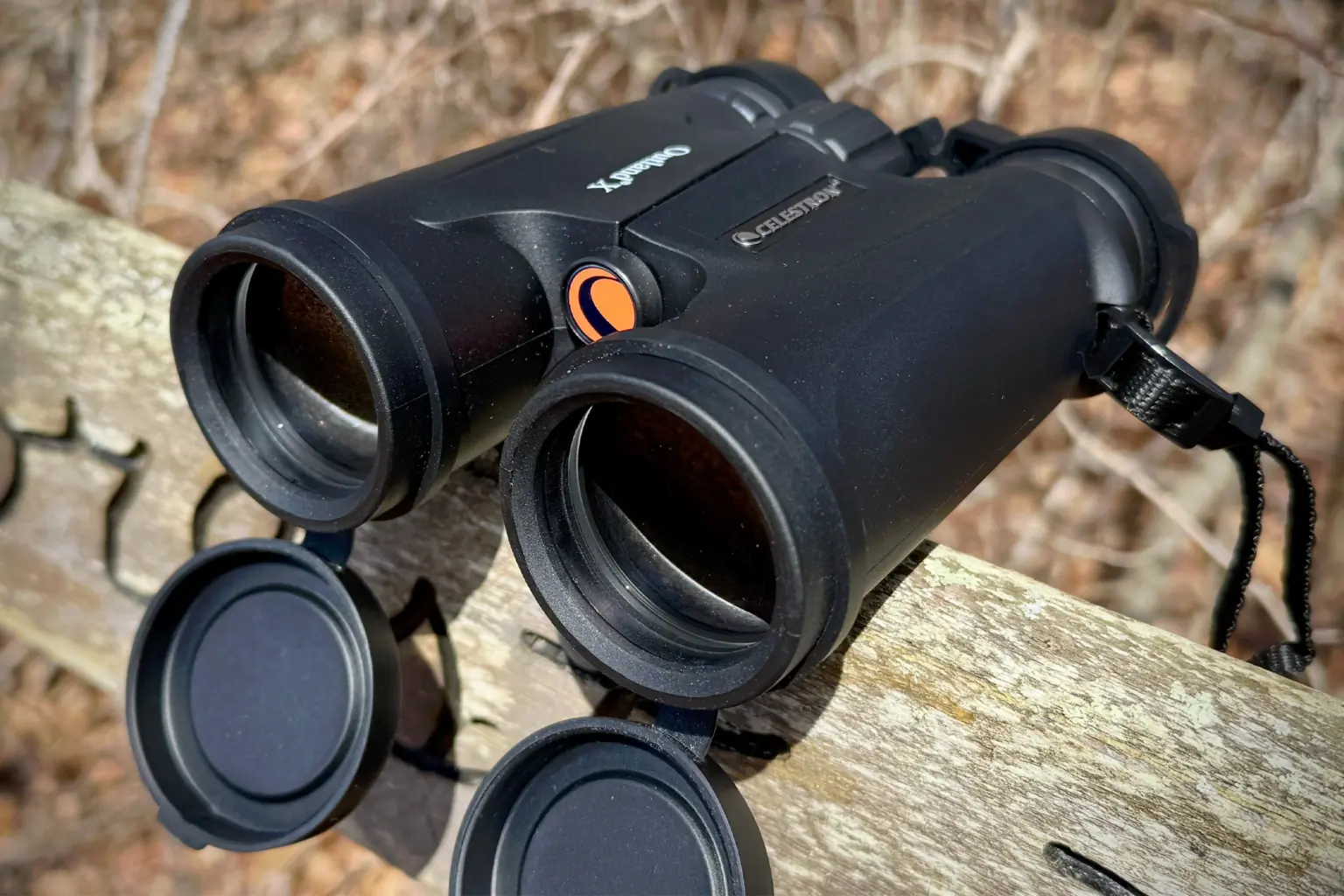
- Celestron Outland X: Durable rubber coating and water-resistant design.
Budget-friendly Durable Choices
Budget models offer basic durability for less demanding SAR tasks. They have sturdy builds but simpler features.
These binoculars work well for training or backup gear in SAR operations.
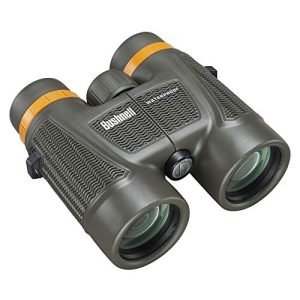
- Bushnell H2O: Waterproof and fog-proof with rubber armor.
- Aurosports 10×42: Shock-resistant and rainproof at a low price.
- Simbr 10×42: Lightweight, waterproof, and good for rough use.

Credit: gearjunkie.com
Maintenance Tips To Extend Lifespan
Durable binoculars are essential for search and rescue (SAR) missions. Keeping them in good condition helps them last longer. Proper maintenance is key to reliability in tough situations.
This guide covers cleaning, storage, handling, and routine checks. Follow these tips to protect your binocular investment and ensure they work when needed.
Cleaning And Storage
Keep lenses clean and free from dust or dirt. Use a soft brush or lens cloth to remove particles gently. Avoid harsh chemicals that can damage coatings.
- Use a lens blower or soft brush for dust
- Clean lenses with microfiber cloth and lens cleaner
- Store binoculars in a dry, padded case
- Avoid storing in extreme heat or cold
- Keep binoculars away from moisture and direct sunlight
Handling In Harsh Environments
SAR environments can be rough on binoculars. Protect them from impacts, water, and dirt. Use straps or harnesses to prevent drops.
| Environment | Handling Tip |
| Wet or Rainy | Use waterproof covers or sealed models |
| Dusty or Sandy | Keep binoculars in protective cases when unused |
| Cold Weather | Allow lenses to warm before use to avoid fogging |
| Rough Terrain | Use shock-absorbing straps or mounts |
Routine Checks And Repairs
Regular inspections help catch problems early. Check for loose parts, alignment issues, and lens scratches. Fix small issues before they grow.
- Inspect lenses for scratches or dirt
- Check focus and alignment regularly
- Tighten loose screws and parts
- Replace worn-out lens caps and covers
- Send binoculars for professional servicing if needed
Additional Gear To Boost Durability
Durability is crucial for binoculars used in search and rescue (SAR) missions. Extra gear can protect your equipment from rough conditions. This gear helps your binoculars last longer and perform better.
Adding protective accessories keeps your binoculars safe from damage. It also improves ease of use in tough environments.
Protective Cases
Protective cases shield binoculars from drops, dust, and water. They come in various materials like hard plastic or padded fabric. A good case fits the binoculars snugly and offers easy access.
- Hard cases prevent impact damage
- Soft cases protect against scratches
- Waterproof cases keep out moisture
- Cases with belt loops allow hands-free carrying
Lens Covers And Straps
Lens covers protect the glass from dirt and scratches. Straps help secure the binoculars to your body. Both items prevent accidental drops and damage.
| Accessory | Purpose | Benefit |
|---|---|---|
| Lens Covers | Protect lenses from dust and scratches | Maintain clear vision and extend lens life |
| Neck Straps | Secure binoculars during movement | Reduce risk of drops and loss |
| Wrist Straps | Hold binoculars close to hand | Enhance grip and control |
Anti-fog Solutions
Fog can block your view during SAR operations. Anti-fog sprays and wipes keep lenses clear in humid or cold weather. Using these products prevents moisture build-up on lenses.
- Apply anti-fog spray before use
- Use anti-fog wipes to clean lenses
- Store binoculars in dry places
- Choose binoculars with built-in fog resistance
Frequently Asked Questions
What Features Make Binoculars Durable For Sar Use?
Durable SAR binoculars have waterproof and fog-proof seals. They use shock-resistant materials and rugged rubber armor. These features protect against harsh weather and rough handling during search and rescue missions.
Are Waterproof Binoculars Essential For Sar Operations?
Yes, waterproof binoculars are crucial for SAR. They prevent water damage in wet environments. This ensures clear vision and reliable performance in rain, snow, or marine conditions.
How Does Fog-proofing Benefit Sar Binoculars?
Fog-proofing prevents internal lens fogging in temperature changes. It ensures clear vision during rapid weather shifts. This is vital for maintaining visibility in SAR missions.
What Materials Increase Binoculars’ Shock Resistance?
Rubber armor and reinforced housings improve shock resistance. These materials absorb impacts and prevent damage from drops. They ensure durability in rough SAR field conditions.
Conclusion
Durable binoculars make search and rescue tasks easier and safer. Choose models with strong materials and good water resistance. Look for shockproof and fog-proof features too. These help binoculars last in tough conditions. Comfort and clear vision also matter a lot.
A reliable pair supports quick, accurate spotting in emergencies. Investing in durability pays off during critical moments. Keep these tips in mind to pick the best binoculars for SAR work. Your safety and success depend on the right gear.