When you’re out on a night search and rescue (SAR) mission, every second counts. Having the right binoculars can make all the difference between finding someone in need and losing precious time.
But with so many options available, how do you choose the best pair for night operations? You need binoculars that give you clear vision in low light, are easy to handle, and can withstand tough conditions. You’ll discover exactly what features to look for and which binoculars will help you perform at your best when it matters most.
Keep reading to find the perfect tool for your night SAR missions.

Credit: store.wildguarder.com
Key Features For Night Sar Binoculars
Night search and rescue (SAR) operations need special binoculars. These tools must work well in low light. Picking the right binoculars can make rescue efforts easier and safer.
Knowing the key features helps you choose binoculars that perform best at night. This guide covers the main points to consider.
Light Amplification Technology
Binoculars for night SAR use light amplification to improve vision in the dark. This technology boosts available light to show clearer images.
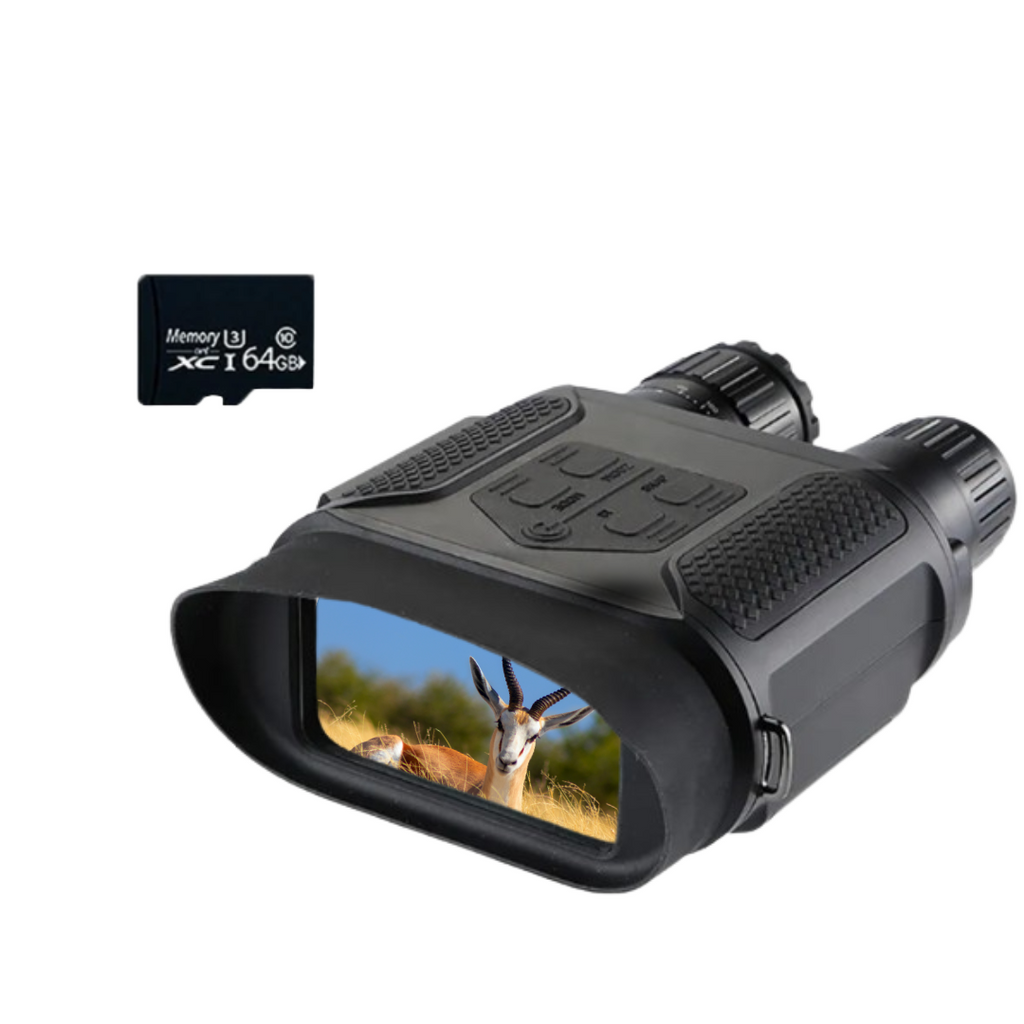
Look for binoculars with strong light amplification. Some use infrared or digital night vision to help see in total darkness.
- Image intensifier tubes for bright images
- Infrared illumination for dark spots
- Digital sensors for enhanced clarity
Magnification And Field Of View
Magnification shows distant objects closer. Field of view means how wide the view is through binoculars. Both are important for SAR missions.
Higher magnification helps see far but narrows the field of view. A wide field helps find targets faster but with less detail.
- Choose 4x to 8x magnification for balance
- Wide field of view for scanning large areas
- Consider the trade-off between zoom and view size
Durability And Weather Resistance
Night SAR binoculars must handle tough environments. They need to resist water, dust, and impacts during missions.
Look for binoculars with strong build materials. Waterproof and fog-proof features keep lenses clear in bad weather.
- Shockproof housing for rough use
- Waterproof seals for rain and snow
- Fog-proof lenses for clear vision
Battery Life And Power Options
Night vision binoculars need power for light amplification. Long battery life ensures they work during long missions.
Check the battery type and how easy it is to replace or recharge. Some models use standard batteries, others have rechargeable packs.
- Long-lasting batteries for extended use
- Rechargeable or replaceable battery options
- Low power consumption to save energy
Size And Weight Considerations
Binoculars should be easy to carry and use in the field. Heavy or bulky models can slow down rescuers.
Choose lightweight binoculars that fit comfortably in hand. Compact designs help when moving quickly or carrying other gear.
- Lightweight for easier handling
- Compact size for portability
- Ergonomic design for comfort
Types Of Night Vision Binoculars
Night vision binoculars help see in the dark during search and rescue missions. Different types use various technologies for vision in low light.
Knowing each type helps pick the right binoculars for night SAR operations. This guide explains four main types of night vision binoculars.
Generation 1 Night Vision
Generation 1 binoculars use basic image intensifier tubes. They amplify ambient light like moonlight or starlight.
These binoculars work well in low light but have some limits. The image may be grainy and have less clarity at longer distances.
Generation 2 Night Vision
Generation 2 binoculars have improved tubes with a special microchannel plate. This boosts light amplification and image quality.
- Clearer and brighter images than Gen 1
- Better performance in very dark areas
- Longer device lifespan
- Used in professional SAR missions
Generation 3 Night Vision
Generation 3 uses advanced gallium arsenide photocathodes. These give the highest sensitivity and image quality among analog night vision.
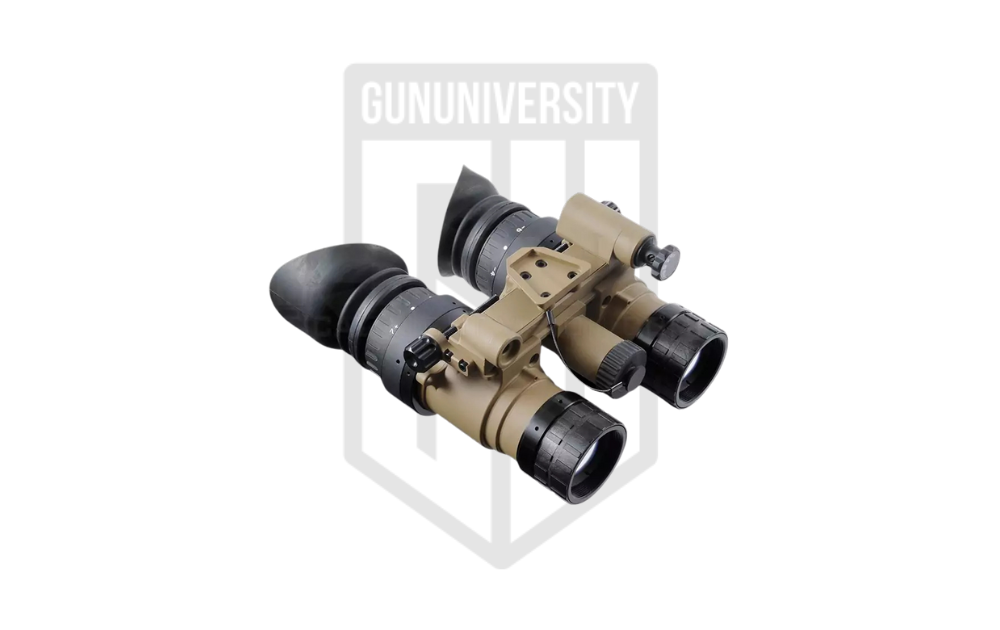
Gen 3 binoculars perform well in very low light and offer sharp images. They are common in military and high-level SAR operations.
| Feature | Generation 1 | Generation 2 | Generation 3 |
|---|---|---|---|
| Image Quality | Basic | Good | Excellent |
| Light Amplification | Low | Medium | High |
| Device Lifespan | Short | Medium | Long |
| Common Use | Entry-level SAR | Professional SAR | Military SAR |
Thermal Imaging Binoculars
Thermal binoculars detect heat instead of light. They create images based on temperature differences in the environment.
These binoculars work in total darkness and through fog or smoke. They help find people by their body heat during SAR missions.
- Do not need any light source
- Show heat signatures of objects and living beings
- Useful in harsh weather conditions
- More expensive than traditional night vision
Top Picks For Night Sar Binoculars
Choosing the right binoculars for night search and rescue (SAR) is crucial. Good binoculars help spot targets clearly in low light or dark conditions.
We selected binoculars based on performance, price, weight, thermal imaging, and battery life. This guide helps you find the best fit for your needs.
Best Overall Performance
These binoculars offer clear views in dark environments. They have strong magnification and good light-gathering lenses. Durability is high for tough SAR conditions.
Best Budget Option
If you need reliable binoculars without spending much, this model works well. It balances cost and features like night vision and image clarity.
- Affordable price
- Decent night vision
- Easy to use
- Lightweight design
Best Lightweight Model
Lightweight binoculars reduce fatigue during long missions. This model is compact and easy to carry. It still provides good night vision and sharp images.
Best Thermal Imaging Choice
Thermal imaging binoculars detect heat signatures. They are perfect for spotting people or animals in total darkness or dense foliage.
| Feature | Benefit |
| Heat detection | Find targets by body heat |
| Clear image | See through smoke and fog |
| Range | Detect heat from far away |
| Durability | Works in harsh weather |
Best Battery Life
Long battery life is critical in SAR operations. This binocular keeps working for many hours without recharge. It supports extended night missions.

Credit: goodnitegearshop.com
Tips For Using Binoculars In Night Sar
Using binoculars during night search and rescue (SAR) missions requires special care. Nighttime conditions make it hard to see clearly. Choosing the right techniques helps you spot objects and people better in the dark.
Binoculars for night SAR need proper handling, vision optimization, and safety measures. These tips will guide you in using binoculars effectively when light is low.
Proper Handling And Maintenance
Keep your binoculars clean and dry to avoid damage. Handle them gently to protect the lenses and mechanisms. Store binoculars in a padded case when not in use.
Regular checks ensure binoculars stay in good condition. Clean lenses with a soft cloth and special lens cleaner. Avoid touching lenses with fingers to prevent smudges.
- Use a neck strap to prevent drops
- Keep binoculars away from dust and moisture
- Check for loose parts before each use
- Store in a cool, dry place
Optimizing Vision In Low Light
Choose binoculars with large objective lenses. Bigger lenses let in more light for clearer images at night. Use binoculars with good light transmission coatings to improve brightness.
Adjust the focus slowly to avoid missing important details. Use a tripod or stable surface to reduce hand shake. Give your eyes time to adjust to the dark before scanning.
- Pick binoculars with at least 42mm lens diameter
- Use models with wide field of view
- Keep your eyes relaxed while observing
- Use a headlamp with red light to preserve night vision
Safety Precautions In The Field
Be aware of your surroundings when using binoculars at night. Avoid walking while looking through them to prevent trips and falls. Stay close to your team and communicate often.
Use binoculars only when stationary or on stable ground. Carry a reliable light source to navigate safely. Keep emergency gear easily accessible in case of accidents.
- Never use binoculars while moving quickly
- Use a whistle or radio to signal team members
- Wear reflective clothing or gear
- Have a backup light source ready
Credit: gununiversity.com
Frequently Asked Questions
What Features Make Binoculars Ideal For Night Sar Operations?
Binoculars for night SAR need excellent low-light performance, high magnification, and durable, waterproof construction. They should also have wide objective lenses to gather more light.
How Important Is Infrared Capability In Night Sar Binoculars?
Infrared enhances visibility in complete darkness, making it crucial for night SAR. Binoculars with IR can detect heat signatures and improve search accuracy.
What Magnification Level Suits Night Search And Rescue Binoculars?
A magnification of 7x to 10x is ideal. It balances clear detail with a wide field of view, essential for scanning large areas at night.
Are Waterproof Binoculars Necessary For Night Sar Missions?
Yes, waterproof binoculars are essential. Night SAR often involves harsh weather, so water resistance protects the optics and ensures reliable use.
Conclusion
Choosing the right binoculars is key for night search and rescue tasks. Clear vision in low light saves time and lives. Night vision and image enhancement help spot details in darkness. Lightweight and durable models make long missions easier. Always test binoculars before real use.
Good tools boost confidence and success in tough conditions. Remember, the best binoculars fit your needs and environment well. Stay prepared and ready for any night operation.