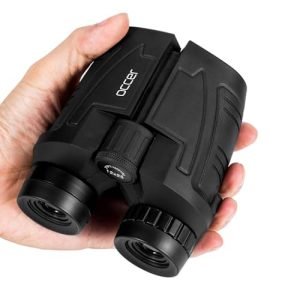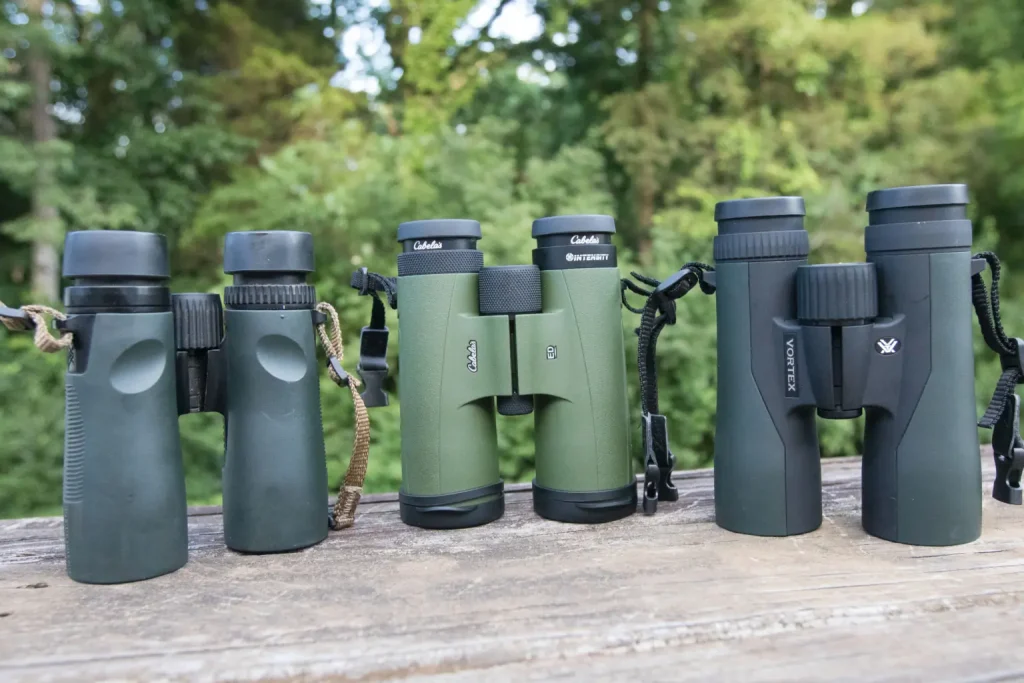
Are you thinking about getting close-focus binoculars? They promise amazing views of nearby objects, making them popular for birdwatching and nature spotting.
But before you invest your money, it’s important to know the downsides. What if these binoculars don’t work well in certain situations or cause eye strain? Understanding the disadvantages can save you frustration and help you choose the right gear for your needs.
Keep reading to discover the hidden drawbacks of close-focus binoculars that many buyers overlook.
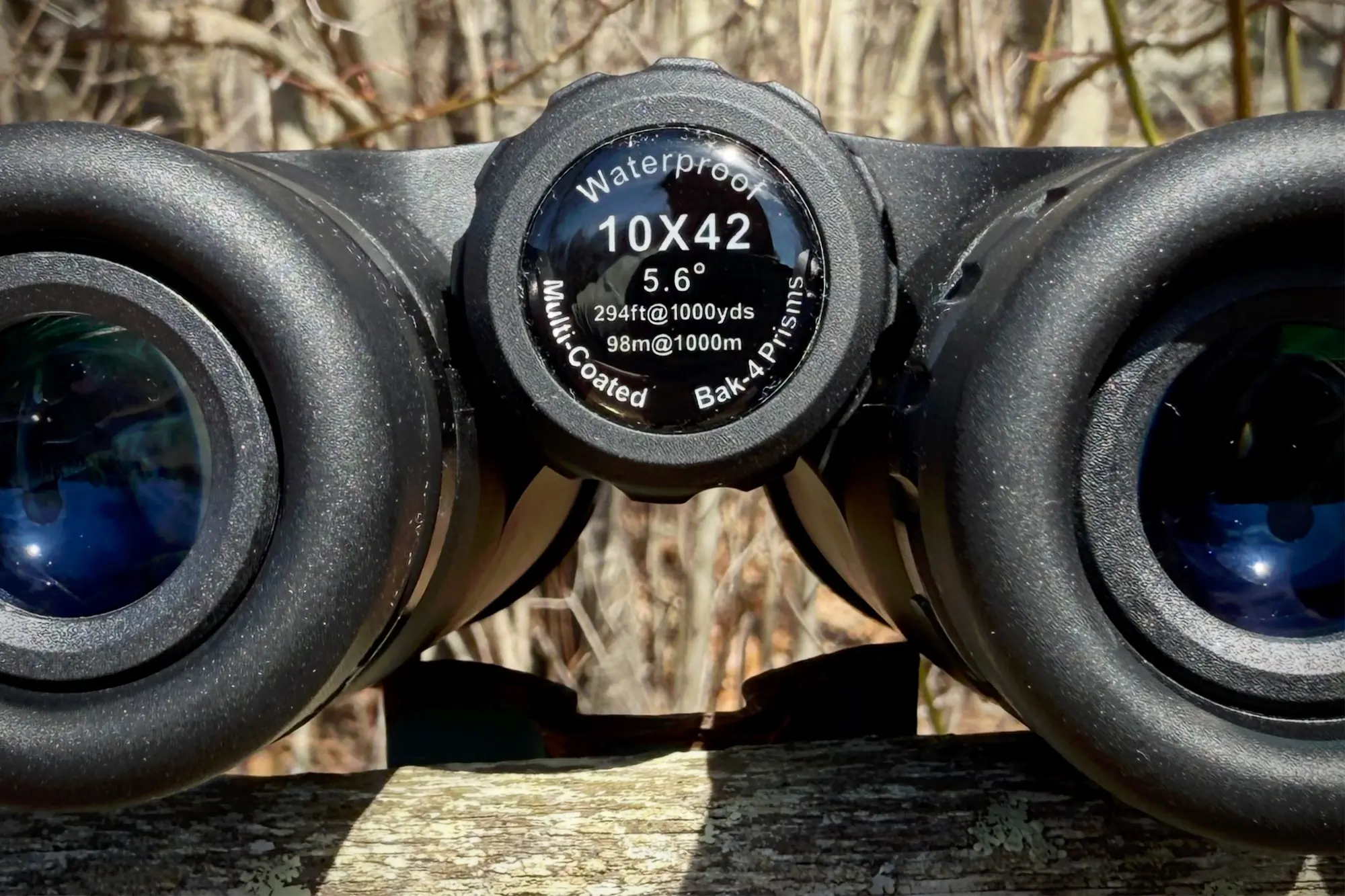
Credit: gearjunkie.com
Limited Field Of View
Close-focus binoculars have a limited field of view. This means you see a smaller area through the lenses. This can be a problem in certain situations.
We will look at how this limitation affects wide-area observation and tracking moving objects.
Impact On Wide-area Observation
A narrow field of view reduces how much you can see at once. This can make it hard to scan large areas quickly. You might miss important details outside the view.
- More eye movement is needed to cover a big area
- Objects at the edge of the view may be missed
- It takes longer to get a full picture of the scene
- It can cause eye fatigue during long use
Challenges In Tracking Moving Objects
Tracking moving objects is harder with a limited view. You have less space to keep the object in sight. This can cause you to lose track quickly.
| Challenge | Effect | Result |
| Narrow view area | Less room to follow objects | Objects leave view fast |
| Increased eye movement | Harder to keep focus steady | Tracking becomes tiring |
| Quick object loss | Need to search again | Slower and less accurate tracking |
Reduced Eye Relief
Close-focus binoculars often have shorter eye relief than standard models. Eye relief is the distance between your eyes and the eyepiece lens. Reduced eye relief can cause discomfort, especially for users who wear glasses.
Understanding how this affects comfort and use can help you decide if these binoculars suit your needs.
Comfort Issues For Eyeglass Wearers
Shorter eye relief means glasses may block your view. You might need to press your glasses close to the eyepiece, which feels uncomfortable. This can also reduce the full field of view and make the image harder to see clearly.
- Eyeglasses can touch the binocular lenses uncomfortably.
- Field of view shrinks with glasses on.
- Users may need to remove glasses for better vision.
- Adjusting eye position becomes necessary to see clearly.
Strain During Extended Use
Reduced eye relief can cause eye strain after using binoculars for a long time. Your eyes work harder to maintain focus and alignment. This can lead to headaches or tired eyes.
| Symptom | Cause | Effect |
|---|---|---|
| Eye fatigue | Close eye distance to eyepiece | Discomfort during use |
| Headaches | Continuous eye muscle strain | Reduced viewing time |
| Blurred vision | Improper eye alignment | Loss of image clarity |
Narrow Depth Of Field
Close-focus binoculars have a narrow depth of field. This means only a small area looks clear at once. Objects in front or behind may appear blurry.
This narrow depth makes it hard to see many things clearly at different distances. It limits how much you can explore with a single glance.
Difficulty In Focusing On Multiple Distances
Close-focus binoculars struggle to keep both near and far objects sharp. You must adjust the focus often to see things clearly. This can be tiring during long use.
Switching focus takes time and can cause you to miss important details. It is not easy to track moving objects at varying distances.
Limitations In Layered Viewing
Layered viewing means seeing objects at different depths clearly. Narrow depth of field limits this ability in close-focus binoculars. You see only one layer sharply at a time.
This makes it hard to understand scenes with many objects at different distances. You might miss important background or foreground details.
Potential Image Distortion
Close-focus binoculars let you see objects very near. This is useful for nature watching and other close views.
But these binoculars can cause image distortion. This means the picture may look unclear or strange.
Edge Blurring Effects
One problem with close-focus binoculars is edge blurring. The center of the image is clear, but edges can look fuzzy.
This happens because the lenses struggle to focus evenly. It can make details near the edge hard to see.
- Objects at the edge appear soft or out of focus
- Shapes may lose sharpness away from the center
- It reduces overall image quality for wide views
Color Fringing Problems
Color fringing is another issue. It shows as colored lines around objects, especially near edges.
This happens when lenses fail to focus all colors at the same point. It makes images look less natural.
- Red, blue, or green lines may appear around objects
- It lowers image clarity and comfort for the eyes
- Close objects are more likely to show this effect
Higher Cost Factors
Close-focus binoculars come with certain cost challenges. These arise mainly from the complex technology used in their lenses and the upkeep they need.
Understanding these costs helps buyers see why these binoculars are often pricier than standard models.
Advanced Lens Technology Expenses
Close-focus binoculars use special lenses to allow viewing objects very near. This technology costs more to design and produce.
- High-quality glass materials increase price.
- Extra coatings improve clarity but add cost.
- Complex lens arrangements require skilled assembly.
- Smaller production runs raise unit costs.
Maintenance And Repair Costs
These binoculars need careful maintenance to keep their close-focus ability. Repairs can be expensive due to delicate parts.
| Type of Service | Reason for Cost | Cost Impact |
| Lens Cleaning | Delicate coatings require special care | Moderate |
| Lens Alignment | Precision needed to maintain focus quality | High |
| Component Replacement | Small, complex parts are costly | High |
| General Repairs | Expertise needed for advanced optics | Moderate to High |
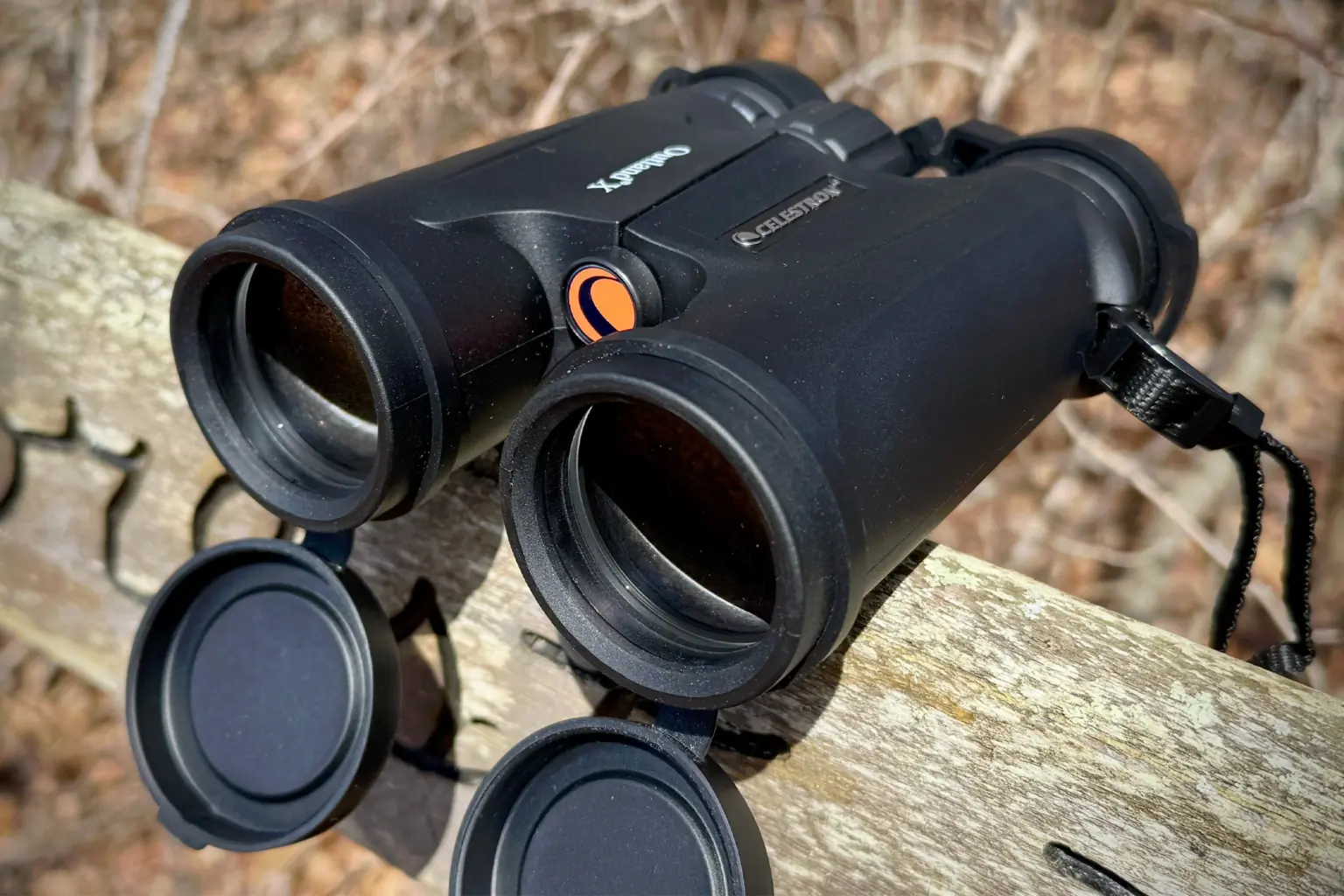
Credit: gearjunkie.com
Bulkier Design Elements
Close-focus binoculars often have a bulkier design. This affects how easy they are to carry and use.
The larger size comes from extra lenses needed for close viewing. This makes the binoculars heavier and bigger than normal ones.
Portability Concerns
Because of their size, close-focus binoculars are harder to pack and carry. They take up more space in bags or pockets.
- They may not fit in small carrying cases.
- Bulky design can make them uncomfortable to hold for long.
- More difficult to bring on hikes or trips where light packing is needed.
Weight Impact On Usage
The added weight affects how long you can use binoculars without fatigue. Heavy binoculars cause hand strain faster.
| Weight Factor | Effect on User |
| Heavier body | Fatigue in hands and arms |
| More lenses | Increased pressure on grip |
| Longer use | Reduced comfort and stability |

Credit: www.amazon.ca
Frequently Asked Questions
What Are The Main Drawbacks Of Close-focus Binoculars?
Close-focus binoculars often have limited maximum focusing distance. They may sacrifice image clarity at longer ranges. This can reduce their versatility for varied viewing needs.
Do Close-focus Binoculars Affect Image Quality?
Yes, they can slightly reduce sharpness at distant objects. Their optical design prioritizes near focus, sometimes compromising distant image clarity.
Are Close-focus Binoculars Heavier Than Regular Ones?
Typically, close-focus binoculars are similar in weight but may include additional lenses. This can make them marginally heavier, affecting portability for some users.
Can Close-focus Binoculars Be Used For Bird Watching?
Yes, they excel at viewing nearby birds and insects. However, they might not perform well for spotting distant wildlife.
Conclusion
Close-focus binoculars have several drawbacks. Limited range is a major issue. These binoculars often struggle with distant views. Image quality may suffer at longer distances. They can be heavy and bulky. This reduces portability and comfort. Users might face higher costs for advanced features.
Maintenance could be frequent and costly. Some models lack versatility for different environments. Before buying, weigh these disadvantages carefully. Consider your specific needs and usage. This ensures you make an informed choice. Choose wisely for the best experience.