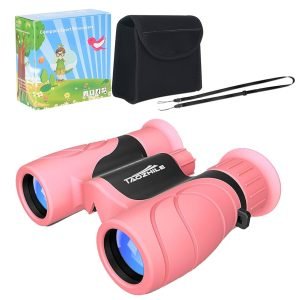
Are you having trouble with your roof prism binoculars? You’re not alone.
These handy devices offer clear views and a compact design, but they can come with a few common problems that might frustrate you. Whether it’s blurry images, alignment issues, or fogging lenses, knowing what to watch out for can save you time and money.
Keep reading to discover the most frequent roof prism binocular problems and how you can fix them to get the best experience every time you look through your lenses.

Credit: www.amazon.com
Optical Alignment Issues
Optical alignment issues cause blurry or double images in roof prism binoculars. Misaligned prisms disrupt the view, making it hard to focus clearly. This problem often results from drops or rough handling.
Collimation Problems
Collimationmeans the prisms inside the binoculars are not lined up right. This causes blurry or double images. The view looks like two pictures overlapping. It makes focusing very hard.
Collimation problems happen because of:
- Dropping or bumping the binoculars.
- Manufacturing errors.
- Wear and tear over time.
Misaligned Prisms
Misaligned prismscause poor image quality. The binoculars lose sharpness and clarity. Colors may look strange or faded. Objects can appear distorted or shifted.
Fixing misaligned prisms often needs a professional. It is not a simple DIY task. Proper alignment ensures a clear and comfortable view.
Image Quality Concerns
Roof prism binoculars often suffer from reduced image brightness and sharpness. Poor alignment and low-quality coatings can cause blurry or dim views. Distortions and color fringing also affect image clarity and enjoyment.
Chromatic Aberration
Chromatic aberrationappears as color fringing around objects. It happens because lenses bend different light colors unevenly. This can make images look blurry or have colored edges. Roof prism binoculars often struggle with this more than other types. Some models reduce it using special coatings or glass, but cheap versions may show it clearly.
Field Of View Limitations
The field of viewis how wide you can see through binoculars. Roof prism designs usually have a narrower view than porro prism types. This means you see less area at once. It can be harder to track moving objects or scan wide spaces. Users may feel restricted, especially in activities like birdwatching or sports.
Durability Challenges
Roof prism binoculars have a fragile prism structurethat can break if dropped or hit hard. This makes them less durable than other types. The prisms inside are glass pieces that must stay perfectly aligned for clear vision.
Water resistance issuesare common. Some models are not fully sealed, so water can get inside during rain or humid conditions. This leads to fogging and damage over time. Proper sealing or waterproof designs are better for outdoor use.
Focus And Adjustment Problems
Focus and adjustment issues are common with roof prism binoculars. Difficulty in fine-tuningcan make it hard to see clear images. Sometimes the focus knob moves too much with little change in clarity. This can be frustrating during use.
A stiff focus knobis another problem. It may be hard to turn, especially in cold weather. This stiffness can slow down quick adjustments. Over time, dust or dirt might cause the knob to feel tight.
- Fine-tuning focus can be slow and tricky.
- Focus knob may feel stiff or hard to turn.
- Small knob movement might not change focus well.
- Knob stiffness worsens in cold or dusty conditions.
Weight And Portability
Roof prism binoculars often have a bulky designthat makes them heavier. This extra weight can cause arm fatigueduring long use. The compactness is less compared to other types.
Transporting these binoculars can be challenging. Their size may not fit easily into small bags or pockets. Carrying them for hikes or trips might feel uncomfortable.
- Bulky designmeans more weight and size.
- Heavier to carry for long times.
- Not easy to fit in small bags.
- Less convenient for quick travel.

Credit: nightskysecrets.com.au
Cost Vs. Performance
Roof prism binoculars often cost more than porro prism models. This is because they are compactand lightweight. But the higher price does not always mean better performance. Some cheaper roof prism binoculars may have lower image qualityor less durability.
Value for money depends on optical coatingsand build quality. Good coatings reduce glare and improve brightness. Stronger materials resist damage and last longer. These features add to the cost but improve use.
- Price affects glass quality and sharpness.
- Better prisms give clearer views but increase cost.
- Lightweight designs may sacrifice some image brightness.
- More expensive models usually have better weather sealing.
Choosing the right roof prism binocular means balancing cost and performance. Sometimes paying a bit more gives better value in the long run. Other times, a budget model meets basic needs well enough.

Credit: www.amazon.ae
Frequently Asked Questions
What Are Common Image Quality Issues In Roof Prism Binoculars?
Roof prism binoculars often suffer from chromatic aberration and edge distortion. These issues reduce image sharpness and color accuracy. Poor coatings or misaligned prisms usually cause these problems, affecting overall viewing experience.
Why Do Roof Prism Binoculars Fog Up Inside?
Fogging occurs due to moisture trapped inside the binoculars. Improper sealing or damaged O-rings allow humidity to enter. High-quality models use nitrogen or argon purging to prevent internal fogging effectively.
How Does Prism Alignment Affect Binocular Performance?
Misaligned prisms cause double vision or blurry images. Precise alignment ensures sharp, clear views. Poor alignment often results from drops or manufacturing defects, requiring professional adjustment.
What Causes Roof Prism Binoculars To Feel Heavy?
Roof prism designs include more glass elements, making them heavier. Compact models use lightweight materials to reduce weight. Heavier binoculars may cause fatigue during extended use.
Conclusion
Roof prism binoculars often face issues like alignment problems and blurry images. Dirt and moisture can also reduce their performance. Regular cleaning and careful handling help keep them working well. Choosing quality models reduces common faults. Knowing these problems helps you use roof prism binoculars better.
Keep them safe, and enjoy clear views every time. Simple care makes a big difference.