Are you confused about whether to choose roof prism or Porro prism binoculars? Picking the right type can make a big difference in how you see the world through your lenses.
Your choice affects everything from image quality to comfort and even how much you carry. By understanding the key differences, you can find binoculars that fit your needs perfectly. Keep reading, and you’ll discover which option suits your style and helps you get the most out of every view.

Credit: wildonline.blog
Roof Prism Binoculars
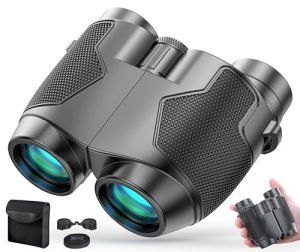
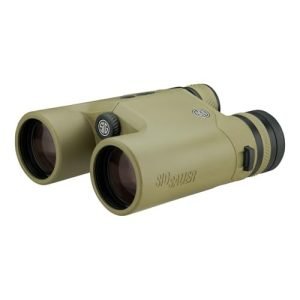
Roof prism binoculars are popular for their compact design. They use prisms aligned in a straight line.
This design makes them easier to carry and hold. Many people prefer them for outdoor activities.
Design And Structure
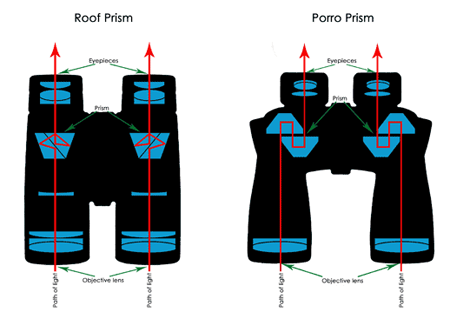
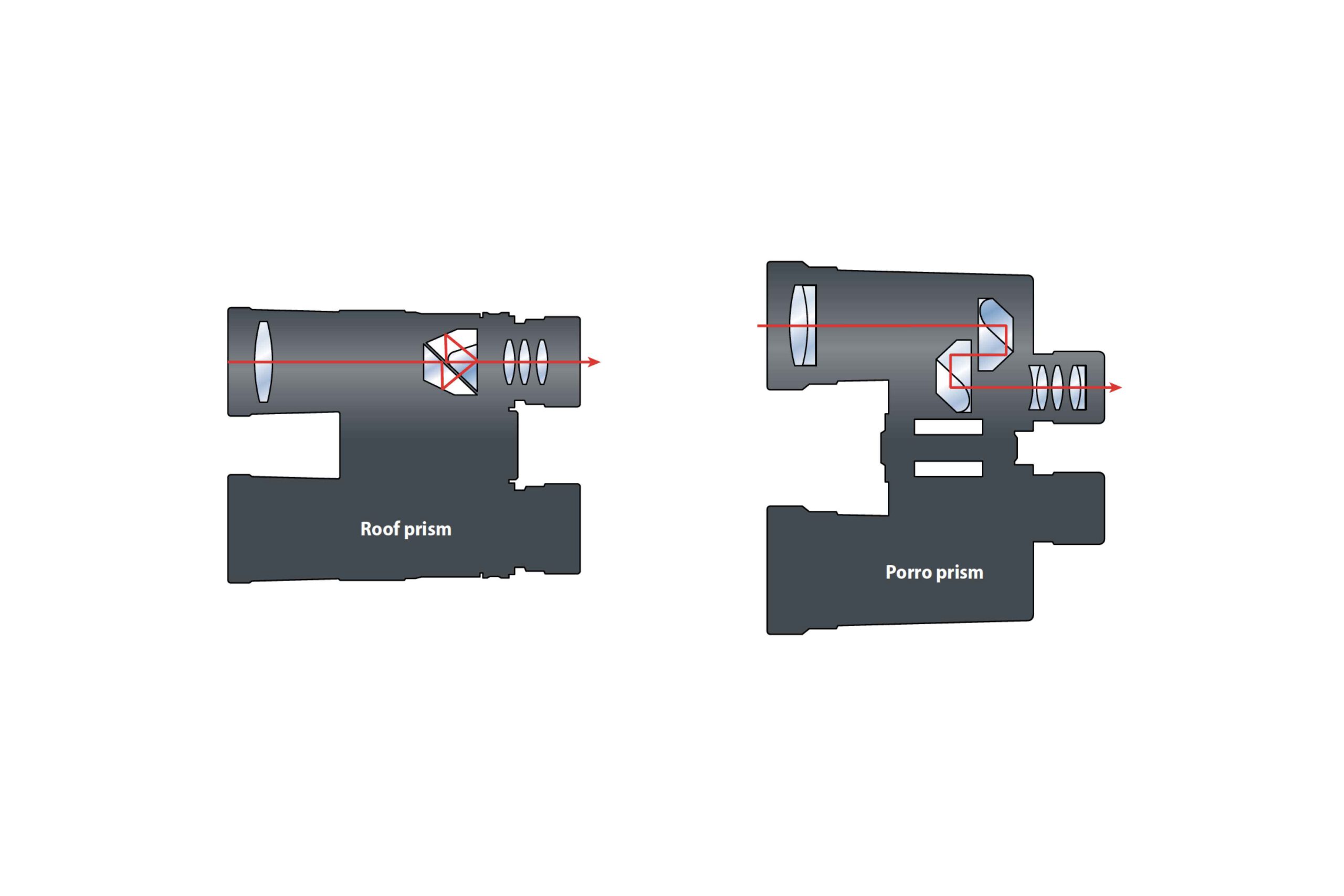
Roof prism binoculars have prisms that are stacked in a straight path. This allows the binoculars to be slim and lightweight.
The barrels are usually straight, which helps with easy handling and storage. The design fits well in pockets and small bags.
Advantages
- Compact and easy to carry
- Lightweight for long use
- Straight barrel design is ergonomic
- Water and fog resistant models are common
- Good for quick spotting and travel
Drawbacks
Roof prism binoculars often cost more due to complex prism alignment. They may need precise adjustment to keep images clear.
Some models can have a narrower field of view compared to porro prism binoculars. This can limit the area seen at once.
Ideal Uses
| Activity | Reason |
| Hiking | Lightweight and easy to pack |
| Bird Watching | Good image quality and compact size |
| Travel | Fits in small bags and pockets |
| Sports Events | Easy to hold for long periods |
| Marine Use | Many models are waterproof |
Porro Prism Binoculars
Porro prism binoculars are a popular type of binoculars used for many activities. They have a unique shape and optical design compared to roof prism binoculars.
This article explains the design, advantages, drawbacks, and best uses of Porro prism binoculars.
Design And Structure
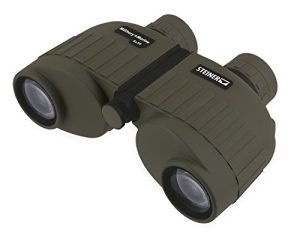
Porro prism binoculars have an angled shape with the eyepieces closer together than the objective lenses. This shape is different from the straight design of roof prism binoculars.
The prisms inside are arranged in a zigzag pattern. This layout creates a wider body and a more robust frame.
Advantages
Porro prism binoculars offer good image quality and depth perception. They usually give brighter and clearer views at a lower cost.
- Better depth perception due to lens separation
- Brighter images with less light loss
- Usually less expensive than roof prism models
- Simple to maintain and repair
Drawbacks
Porro prism binoculars are bulkier and heavier. The wider design can make them harder to carry for long times.
- Larger and heavier than roof prism binoculars
- Not as sleek or compact
- May not fit well in small bags or pockets
Ideal Uses
These binoculars are great for outdoor activities where weight is less of a concern. Their bright images help in low light conditions.
- Bird watching in forests or fields
- Hiking and camping trips
- General nature observation
- Boating and marine use
Image Quality Comparison
Choosing between roof prism and porro prism binoculars can be tough. Both types affect how clear and bright the image looks. Understanding their differences helps you pick the best one for your needs.
We will look at three important parts of image quality: brightness and clarity, depth perception, and field of view. This will help you compare roof and porro prism binoculars clearly.
Brightness And Clarity
Porro prism binoculars usually offer brighter images. Their design lets more light reach your eyes. Roof prism binoculars have a straight shape but can lose some light inside.
Many roof prism binoculars use special coatings to improve brightness. Still, porro prisms often give clearer and sharper views without extra help.
Depth Perception
Porro prism binoculars provide better depth perception. Their wider shape helps your eyes see the distance between objects more clearly. This makes scenes look more three-dimensional.
Roof prism binoculars have a narrower design. They can feel a bit flat compared to porro prisms. This might affect how well you judge distance using them.
Field Of View
Porro prism binoculars often have a wider field of view. You can see more of the area without moving the binoculars. This is useful for watching birds or sports.
Roof prism binoculars tend to have a smaller field of view. Their compact shape limits how wide you can see. Some models improve this, but porro prisms usually show more at once.
Durability And Build
Choosing between roof prism and porro prism binoculars involves looking at their durability and build. Both types have different designs that affect how strong and long-lasting they are.
Understanding the materials used and how they resist weather can help you pick the right binoculars for your needs.
Materials And Weather Resistance
Roof prism binoculars usually have a compact, sealed body. They often use strong metals like aluminum or magnesium alloy. This makes them sturdy and able to handle rough use.
Porro prism binoculars have a more classic design with a wider shape. They often use plastic or rubber coatings to protect the lenses and body. Many models are also weatherproof or waterproof.
- Roof prism binoculars: metal bodies, sealed against dust and water
- Porro prism binoculars: plastic or rubber coatings, some weatherproof
- Both types can be fog-proof with nitrogen or argon gas inside
Weight And Portability
Roof prism binoculars are usually lighter and smaller. Their straight design makes them easy to carry. This suits people who need binoculars for hiking or travel.
Porro prism binoculars are often bulkier and heavier. Their shape spreads out the lenses, making them less compact. They may be better for home use or short trips.
- Roof prism: lightweight, compact, easy to carry
- Porro prism: heavier, larger, less portable
- Weight affects comfort during long use
Price And Value
Choosing between roof prism and porro prism binoculars depends on price and value. Both types offer different benefits for their cost.
Understanding how much you pay and what you get helps you make a smart choice. This guide looks at cost differences and long-term value.
Cost Differences
Porro prism binoculars usually cost less than roof prism models. This is because their design is simpler and cheaper to make.
Roof prism binoculars are often more expensive. They have a compact shape and use advanced parts that add to the cost.
- Porro prism binoculars: lower price, bulkier design
- Roof prism binoculars: higher price, sleek and compact
- Porro prism has more plastic parts, reducing cost
- Roof prism uses extra coatings and precision alignment
Long-term Investment
Roof prism binoculars often last longer because of their sturdy build and weather sealing. They keep working well in tough conditions.
Porro prism binoculars may need more care and might not handle rough use as well. Still, they give good value if used gently.
- Roof prism: better durability, good for heavy use
- Porro prism: less durable but good for casual use
- Roof prism needs less maintenance over time
- Porro prism may wear out faster but costs less to replace
Choosing Based On Activity
Choosing between roof prism and porro prism binoculars depends on your activity. Each type has benefits that fit certain uses.
Think about what you will do most with your binoculars. This helps pick the right design for your needs.
Bird Watching
Bird watchers need sharp images and good depth perception. Porro prism binoculars often give better image quality and a wider view.
Porro prisms are usually bulkier but provide clearer and brighter pictures. This helps spot birds in detail.
Hiking And Outdoor Sports
Roof prism binoculars are compact and lightweight. They are easier to carry during long hikes or active sports.
These binoculars are more durable and water-resistant. They handle rough outdoor use better than porro prisms.
Marine And Astronomy Use
Marine and astronomy activities need binoculars that work well in low light and tough conditions. Roof prism models are usually better here.
They are sealed against water and fog. Their slim design is easier to hold steady on boats or during long stargazing sessions.
Maintenance And Care
Proper care keeps your roof prism or porro prism binoculars working well for years. Both types need regular cleaning and careful storage. This helps protect the lenses and the body from damage.
Understanding how to clean and store your binoculars makes them last longer. It also ensures you get clear views every time you use them.
Cleaning Tips
Start cleaning by removing dust and dirt gently. Use tools made for optics to avoid scratches. Avoid touching the lenses with your fingers.
- Use a soft brush or air blower to remove loose dust.
- Clean the lenses with a microfiber cloth in a circular motion.
- Use lens cleaning solution made for optics if needed.
- Do not use household cleaners or paper towels on lenses.
- Wipe the body with a damp cloth but keep water away from lenses.
Storage Recommendations
Store binoculars in a dry and cool place. Avoid places with high heat or moisture. Use a case or cover to protect them from dust and damage.
| Storage Condition | Reason |
| Dry environment | Prevents mold and fogging inside lenses |
| Cool temperature | Protects internal parts from heat damage |
| Protective case | Guards against dust and accidental drops |
| Lens caps on | Keeps lenses clean and scratch-free |
Credit: www.astronomy.com

Credit: zarimex.eu
Frequently Asked Questions
What Are The Main Differences Between Roof And Porro Prism Binoculars?
Roof prism binoculars have a straight barrel design and are compact. Porro prism binoculars are bulkier with a zigzag shape, offering better depth perception and wider field of view. Each design suits different uses and preferences.
Which Prism Type Offers Better Image Quality?
Porro prism binoculars generally provide brighter and sharper images due to fewer light reflections. Roof prisms may have slightly lower brightness but are more durable and waterproof. Image quality depends on the specific model and coatings too.
Are Roof Prism Binoculars More Durable Than Porro Prism Ones?
Yes, roof prism binoculars are more rugged and waterproof. Their straight design reduces dust and moisture entry, making them ideal for harsh environments. Porro prisms are more vulnerable to misalignment if dropped or handled roughly.
Which Binoculars Are Better For Bird Watching?
Porro prism binoculars usually offer a wider field of view and better depth perception, which benefits bird watching. However, roof prism models are lightweight and compact, favored for long hikes. Choose based on comfort and image needs.
Conclusion
Choosing between roof prism and porro prism binoculars depends on your needs. Roof prisms are sleek and durable. They suit travelers and hikers well. Porro prisms offer better depth and wider views. They’re often more affordable, too. Consider what features matter most to you.
Size, weight, and image clarity are key factors. Test both types if possible. This can help you make the best choice. Enjoy clear, stunning views with the right binoculars!