Are you trying to choose between 10×42 and 8×42 roof prism binoculars but feel stuck? It’s a common dilemma because both options have their perks.
You want clear, sharp views without the hassle of shaky hands or heavy gear. Which one truly fits your needs? This article will help you cut through the confusion and make a confident choice. Keep reading to discover how these two popular binocular types compare, so you get the most from your next outdoor adventure.
Credit: www.aliexpress.com
Key Differences Between 10×42 And 8×42
Choosing between 10×42 and 8×42 roof prism binoculars depends on your needs. Both have the same lens size but differ in magnification.
This guide covers the main differences to help you decide which is better for you.
Magnification Impact
10×42 binoculars zoom in 10 times, making distant objects appear closer. 8×42 binoculars offer 8 times zoom. Higher magnification shows more detail but can make images shakier without support.
Lower magnification provides a steadier view and easier tracking of moving objects.
Field Of View Variations
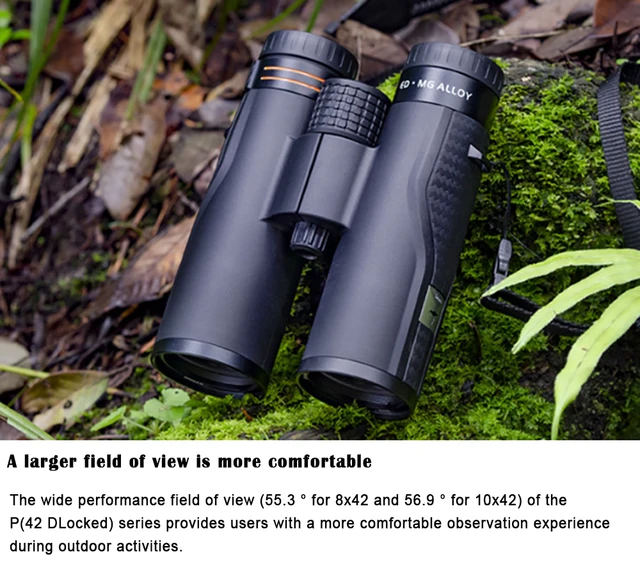
The field of view means how wide an area you can see through the binoculars. 8×42 models usually have a wider view than 10×42.
- 8×42 binoculars show a larger scene, which helps in spotting moving wildlife or sports action.
- 10×42 binoculars offer a narrower view, focusing more on distant details.
- A wider field is easier for scanning wide areas quickly.
Brightness And Image Clarity
Brightness depends on lens size and magnification. Both have 42mm lenses, but different magnifications affect brightness.
| Specification | 10×42 | 8×42 |
| Exit Pupil Size (mm) | 4.2 | 5.25 |
| Brightness Level | Lower | Higher |
| Image Stability | Needs steady hands or tripod | More stable handheld |
Larger exit pupil in 8×42 binoculars gives a brighter and clearer image in low light conditions like dusk.

Credit: www.youtube.com
Benefits Of 10×42 Binoculars
Choosing the right binoculars depends on what you want to see and how you want to use them. The 10×42 binoculars offer a good balance of power and brightness.
They have a 10 times magnification and 42mm lens diameter. This combination helps you see small details clearly at a distance.
Enhanced Detail Viewing
With 10×42 binoculars, you get stronger zoom than 8×42 models. This means you can see tiny details from far away.
The larger 42mm lenses let in more light. This makes images brighter and clearer, especially in low light conditions.
- See fine details on distant objects
- Better clarity in dim light
- Sharper images with more zoom
Ideal Use Cases
10×42 binoculars work well for bird watching and wildlife spotting. The extra zoom helps you watch animals without disturbing them.
They are also good for outdoor sports and concerts. You can see the action clearly even from far seats.
- Bird watching
- Wildlife observation
- Sports events
- Concerts and performances
Portability Considerations
10×42 binoculars are slightly heavier than 8×42 models. This is due to the higher magnification parts inside.
They still fit well in a backpack or bag. You can carry them comfortably on short trips and hikes.
- Weigh a bit more than 8×42 binoculars
- Easy to carry for most outdoor activities
- Good balance of size and power
Advantages Of 8×42 Binoculars
Choosing the right binoculars depends on what you want to see and how you want to use them. 8×42 binoculars offer several benefits that make them a great choice for many users.
Here we look at key advantages of 8×42 roof prism binoculars compared to 10×42 models.
Wider Field Of View
One big advantage of 8×42 binoculars is their wider field of view. This means you can see more of the scene without moving the binoculars.
- Easier to spot moving objects like birds or animals
- Better for scanning large areas, such as landscapes or sports fields
- Less eye strain when tracking fast action
Better Low-light Performance
The 42mm objective lenses gather plenty of light, and the lower 8x magnification helps keep the image bright. This makes 8×42 binoculars good for dawn, dusk, or cloudy days.
| Feature | 8×42 Binoculars | 10×42 Binoculars |
| Exit Pupil Diameter | 5.25 mm | 4.2 mm |
| Brightness in Low Light | Higher | Lower |
| Image Stability | Better | Less Stable |
Stability And Ease Of Use
Lower magnification in 8×42 binoculars makes it easier to hold them steady. This reduces shaking and helps you see a clear image without a tripod.
Users often find 8×42 models more comfortable for long viewing sessions because of this stability.
Roof Prism Design And Performance
Roof prism binoculars use a straight barrel design. This design keeps the binoculars compact and easy to hold.
Choosing between 10×42 and 8×42 depends on what you need in performance and size. Both have the same objective lens size but differ in magnification.
Compactness And Durability
Roof prism binoculars are smaller than porro prism models. They fit well in bags and are easy to carry outdoors.
The 10×42 binoculars are usually slightly longer than 8×42 because of higher magnification parts. Still, both remain compact for their class.
- Compact size helps in long outdoor trips
- Roof prism design offers strong body structure
- Sealed and waterproof models resist rough use
Optical Quality
Optical quality depends on lens coatings and glass quality. Both 8×42 and 10×42 roof prism binoculars often use good coatings to reduce glare.
Higher magnification in 10×42 can show more detail but may reduce brightness and stability. The 8×42 offers a brighter and steadier view.
- 8×42 is better in low light and steady viewing
- 10×42 shows more detail but can shake more
- Lens coatings improve color and contrast
Cost Factors
Roof prism binoculars with 10×42 specs often cost more than 8×42 models. This is due to more complex lenses and higher magnification parts.
Both types vary in price based on brand and extra features like waterproofing and nitrogen filling.
- 10×42 models usually have a higher price tag
- 8×42 models offer good value for general use
- Extra features add to the overall cost
Choosing Based On Activity
Choosing between 10×42 and 8×42 roof prism binoculars depends on your activity. Each option offers unique benefits for different uses.
Consider how you will use the binoculars before deciding on the magnification and size.
Bird Watching
For bird watching, 8×42 binoculars are often better. They offer a wider field of view and brighter images.
10×42 binoculars provide higher zoom but can be harder to hold steady. They are good for spotting distant birds.
- 8×42: wider view, easier to track moving birds
- 10×42: more detail at a distance, needs steady hands
- 8×42 is lighter and less tiring for long use
Hiking And Outdoor Adventures
While hiking, weight and ease of use matter most. 8×42 binoculars are lighter and easier to carry.
10×42 binoculars give more zoom for spotting far objects but can be heavier and harder to keep steady on trails.
- 8×42: lighter, better for quick scanning
- 10×42: better zoom, heavier and bulkier
- Choose 8×42 for comfort, 10×42 for long-distance viewing
Sports And Events
At sports events, 10×42 binoculars help see players and action clearly from far seats.
8×42 binoculars show a wider area and are easier to hold for long periods in crowded places.
- 10×42: closer view, less field of view
- 8×42: wider view, easier to use for long times
- Pick 10×42 for zoom, 8×42 for comfort and coverage
User Preferences And Handling
Choosing between 10×42 and 8×42 roof prism binoculars depends on personal needs. Comfort and ease of use play big roles in the decision.
This guide looks at weight, eye relief, and adjustability to help users decide which fits best.
Weight And Comfort
8×42 binoculars are usually lighter than 10×42 models. This can make them easier to hold for long periods. Users who prefer less arm strain often choose 8×42.
Comfort also depends on the grip and shape. Some people find 10×42 binoculars a bit heavier but still comfortable if the design fits their hands well.
Eye Relief And Exit Pupil
| Specification | 8×42 Binoculars | 10×42 Binoculars |
| Typical Eye Relief | 15-18 mm | 14-17 mm |
| Exit Pupil Size | 5.25 mm | 4.2 mm |
| Ideal For Eyeglass Wearers | Yes | Sometimes |
Eye relief is how far your eye can be from the lens and still see the full image. Longer eye relief suits eyeglass wearers better.
The exit pupil affects brightness. A larger exit pupil gives a brighter view in low light, which 8×42 binoculars usually offer.
Adjustability Features
- Interpupillary Distance (IPD) adjustment fits different eye widths.
- Diopter adjustment helps balance vision differences between eyes.
- Focus wheel size and smoothness affect ease of use.
- Twist-up eyecups allow better eye positioning, especially for eyeglass users.
Both 10×42 and 8×42 binoculars usually offer these features. The quality and ease of adjustments can vary by model.

Credit: www.ebay.ca
Frequently Asked Questions
What Are The Main Differences Between 10×42 And 8×42 Binoculars?
10×42 binoculars have higher magnification but narrower field of view. 8×42 offers wider views and brighter images in low light. Both have 42mm objective lenses for light gathering. Choice depends on usage like birdwatching, sports, or astronomy.
Does 10×42 Provide Better Image Clarity Than 8×42?
Not always. 10×42 has more magnification but can be shakier and dimmer. 8×42 offers steadier, brighter views with wider field. Roof prism quality and lens coatings also impact clarity beyond magnification.
Are 10×42 Binoculars Harder To Hold Steady Than 8×42?
Yes, 10x magnification amplifies hand shake. 8×42 is easier to hold steady without a tripod. For prolonged use, 8×42 is more comfortable and reduces eye strain, especially in roof prism models.
Which Is Better For Low-light Conditions, 10×42 Or 8×42?
8×42 binoculars perform better in low light due to larger exit pupil. They deliver brighter images at dawn or dusk. 10×42 may appear dimmer and less effective in poor lighting.
Conclusion
Choosing between 10×42 and 8×42 roof prism binoculars depends on your needs. 10×42 offers higher magnification for distant views. 8×42 provides a wider field of view and steadier images. Both types have good light gathering with 42mm lenses. Think about where and how you will use them.
For close or fast-moving subjects, 8×42 may work better. For spotting details far away, 10×42 fits well. Your comfort and purpose should guide your choice. Either way, quality and ease matter most.