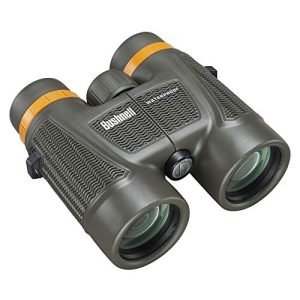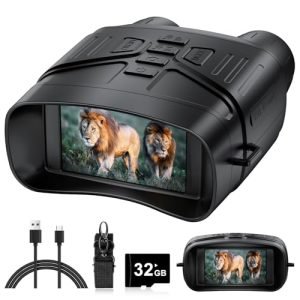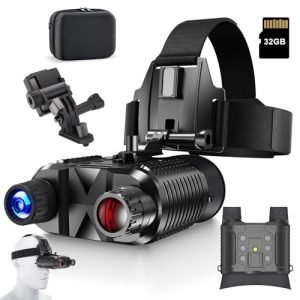
When you’re out in the field, having the right gear can make all the difference. Tactical binoculars are more than just a tool—they’re your eyes when you need to see clearly from a distance.
But do you know how to use them to their full potential? If you want to spot targets faster, stay safe, and get the most accurate view every time, this guide is for you. Keep reading, and you’ll discover simple tips and tricks that will turn your tactical binoculars into your most reliable field companion.
Credit: www.hunter-ed.com
Choosing The Right Tactical Binoculars
Tactical binoculars help you see clearly in the field. Picking the right one makes your work easier and safer.
Different models offer various features. Learn what to look for before you buy.
Key Features To Consider
Look for clear images and strong build quality. Good binoculars should be easy to hold and use for long times.
Check if the binoculars have good focus adjustment and eye relief. These features help you see better and avoid eye strain.
- Clear and sharp optics
- Comfortable grip and size
- Easy focus controls
- Good eye relief for glasses wearers
Comparing Magnification And Lens Size
Magnification shows how much closer objects appear. Lens size controls how much light enters for a bright view.
High magnification can make images shaky. Large lenses give better light but make binoculars heavier.
| Magnification | Lens Diameter (mm) | Best Use |
|---|---|---|
| 6x to 8x | 25 to 32 | Lightweight, daytime use |
| 8x to 10x | 40 to 50 | General field use, better detail |
| 10x+ | 50+ | Long-range viewing, low light |
Durability And Weather Resistance
Tactical binoculars must survive tough conditions. Look for models that resist water, dust, and shocks.
Check if the binoculars have rubber armor. It protects against drops and gives a good grip.
- Waterproof seals for wet conditions
- Fog proof inside lenses
- Shock-resistant body and lens covers
- Non-slip rubber coating
Preparing Your Binoculars For Field Use
Before you take your tactical binoculars into the field, you need to prepare them properly. This ensures clear vision and reliable performance.
Proper setup helps you see targets clearly and use all the binocular features correctly.
Adjusting The Focus And Eye Relief
Focus adjustment helps you see sharp images through the lenses. Start by setting the center focus wheel to match your eyesight.
Eye relief is the distance your eyes can be from the eyepieces while still seeing the full view. Adjust the eyecups to fit your eyes comfortably.
- Close your right eye and focus with your left using the center wheel.
- Close your left eye and adjust the right eyepiece diopter ring.
- Set the eyecups up or down depending on whether you wear glasses.
- Make sure the full field of view is visible without eye strain.
Setting Up Rangefinders And Reticles
Many tactical binoculars have built-in rangefinders and reticles. These help measure distances and aim accurately.
Learn how to adjust these features before going out to ensure they work well in the field.
- Calibrate the rangefinder according to the manufacturer’s instructions.
- Check that the reticle is clear and aligned properly.
- Practice reading distances using the rangefinder in safe conditions.
- Adjust brightness or color of the reticle for different light conditions.
Cleaning And Maintenance Tips
Clean binoculars before and after field use to keep lenses clear. Dirt and smudges reduce image quality.
Regular maintenance extends the life of your binoculars and keeps them working smoothly.
- Use a soft brush or air blower to remove dust from lenses.
- Wipe lenses gently with a microfiber cloth and lens cleaner.
- Keep binoculars dry and store them in a protective case.
- Check for loose parts and tighten screws if needed.
- Do not use harsh chemicals or paper towels on lenses.
Techniques For Effective Scanning
Using tactical binoculars well helps you see far and find targets quickly. Scanning the area carefully makes spotting easier.
Good scanning techniques improve your chances of identifying important details in the field. Focus and practice these steps.
Using The Sweep Method
The sweep method means moving your binoculars slowly from one side to the other. This helps cover a wide area.
Start at one edge of your view and scan across in a steady line. Repeat this several times to catch any movement.
- Hold binoculars steady and move smoothly
- Scan from left to right or right to left
- Cover the entire area without rushing
- Pause briefly to focus on details
Spotting Movement And Identifying Targets
Look for small movements first. Moving objects stand out against still backgrounds.
Once you see movement, focus your binoculars to get a clearer view. Check shape, size, and color to identify targets.
- Scan slowly to notice subtle motions
- Use focus to sharpen the image
- Compare shapes to known objects or animals
- Note colors and patterns for better ID
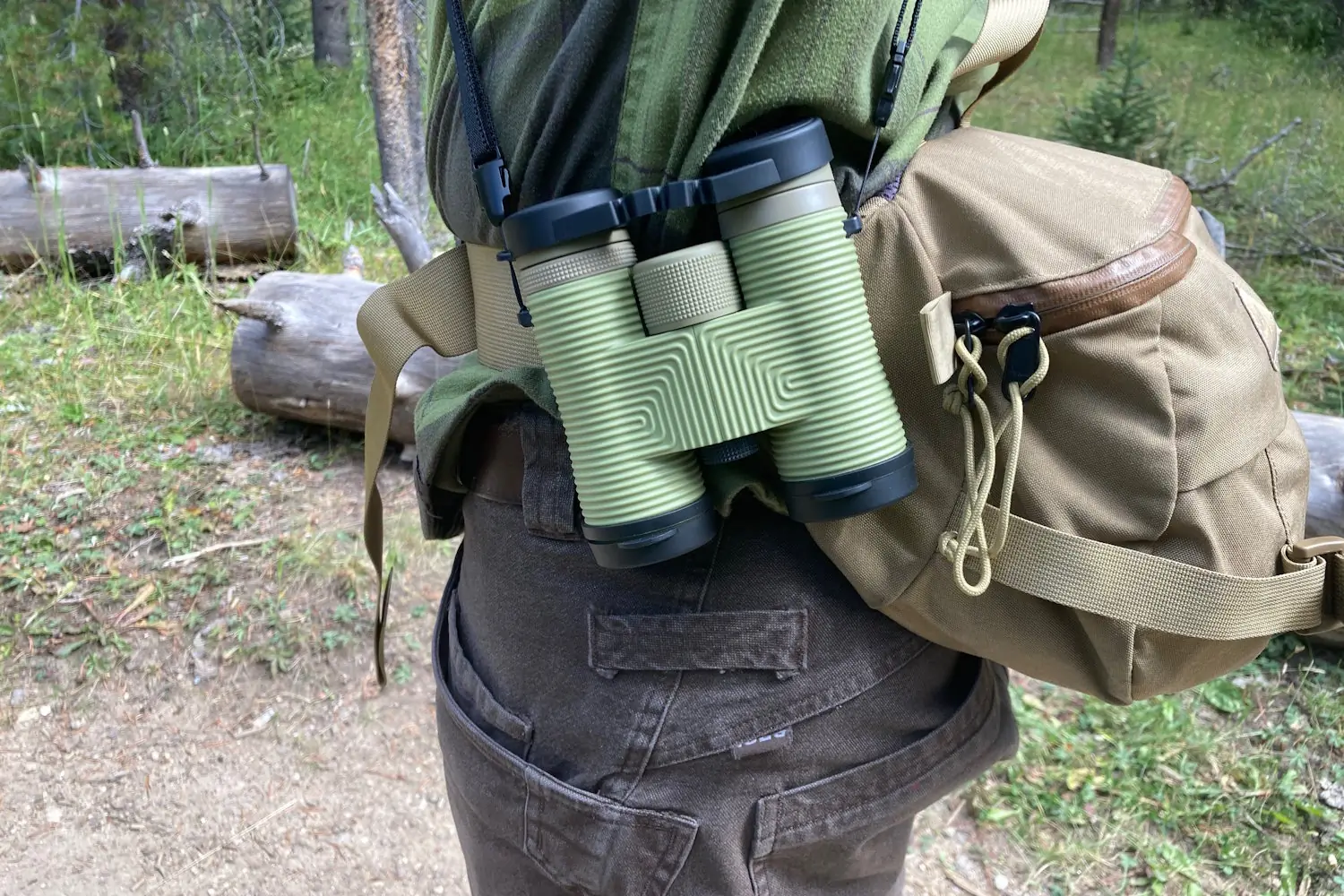
Balancing Stability And Mobility
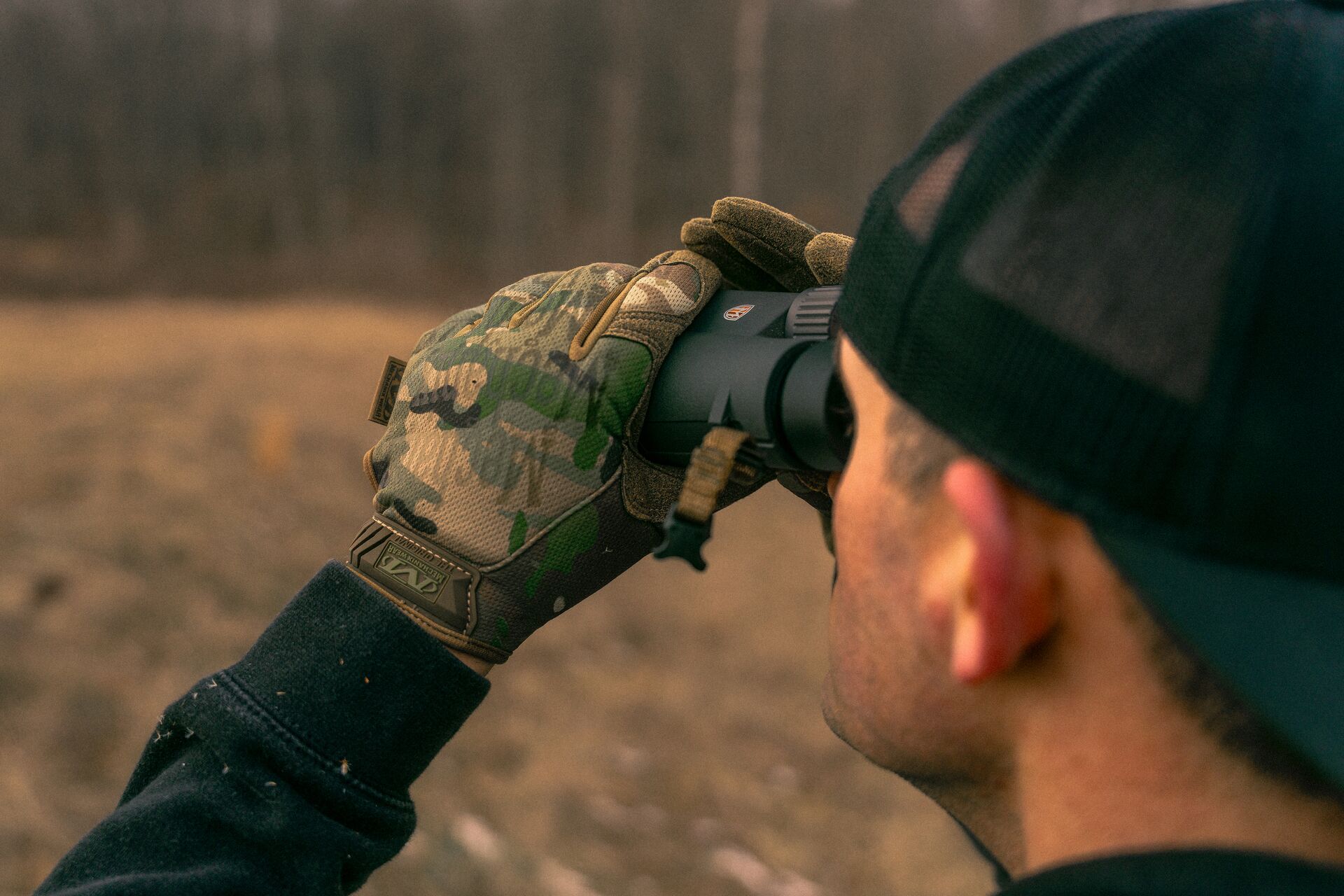
Keep your binoculars steady for a clear view. Use both hands and brace your elbows on your body if possible.
Move carefully to scan new areas. Avoid quick moves that can blur your sight or make you miss details.
- Hold binoculars with both hands
- Rest elbows on your chest or knees
- Take small steps when changing position
- Pause to scan after moving
Credit: gearjunkie.com
Maximizing Visibility In Different Conditions
Tactical binoculars help you see clearly in many environments. Using them right improves your vision and safety.
This guide covers how to get the best view in low light, fog, rain, and bright glare.
Low Light And Night Use
In low light, use binoculars with wide lenses. This lets in more light for a clearer image. Keep the binoculars steady to avoid blurry views.
- Adjust the focus slowly to find sharp details.
- Use a tripod if possible for steadiness.
- Avoid bright lights that can reduce your night vision.
Dealing With Fog And Rain
Fog and rain blur your view and create water spots on lenses. Use binoculars with waterproof and fog-proof features.
| Tip | Action |
| Keep lenses dry | Wipe with a soft cloth after rain |
| Use lens covers | Protect lenses when not in use |
| Choose coated lenses | Reduce fog buildup |
Reducing Glare And Reflections
Glare and reflections can hide details. Use the binoculars’ sunshades or lens hoods to cut glare. Polarized lenses also help reduce reflections.
- Adjust the angle of the binoculars away from direct light
- Wear a hat with a brim to block sunlight
- Keep lenses clean and free from smudges
Safety And Tactical Considerations
Using tactical binoculars in the field requires attention to safety and tactical details. These tools help you see far away but also need careful handling.
Follow good practices to keep yourself safe and avoid giving away your position. This guide covers key points for using binoculars wisely.
Maintaining Situational Awareness
Always keep track of your surroundings while using binoculars. Looking through them can block your view and make you miss nearby dangers.
Use short glances and scan often. Lower the binoculars to check your full environment regularly.
- Scan the area before and after using binoculars
- Limit viewing time to avoid tunnel vision
- Stay alert for sounds and movements around you
Communicating With Team Members
Clear communication helps your team stay safe and work well. Use hand signals or radios to share what you see.
Avoid loud talking near others to keep noise low. Signal quietly about threats or targets seen through the binoculars.
- Agree on simple hand signals before the mission
- Use radios with quiet settings for talking
- Confirm messages to prevent misunderstandings
Minimizing Detection Risks
Binoculars can shine light or make noise that reveals your spot. Handle them carefully to avoid being seen or heard.
Keep your body low and use natural cover. Avoid pointing binoculars toward bright light sources that cause reflections.
- Use binoculars with anti-reflective coatings
- Cover lenses with caps when not in use
- Stay still and move slowly while observing
- Choose times with low light for less visibility

Credit: swoptics.co.uk
Advanced Tips For Expert Users
Tactical binoculars are essential tools in the field. Expert users need to go beyond basics. Using advanced techniques improves accuracy and efficiency.
This guide covers using binoculars with other gear, precision observation, and training exercises. Each section helps sharpen your skills.
Using Binoculars With Other Gear
Combining binoculars with other equipment enhances your field performance. Proper integration avoids delays and confusion during critical moments.
- Mount binoculars on helmet or chest harness for hands-free use.
- Use compass or GPS alongside binoculars for better navigation.
- Pair binoculars with a rangefinder to measure distances accurately.
- Keep binoculars dry and clean when using with other wet gear.
- Store binoculars in padded cases when carrying with heavy equipment.
Practicing Precision Observation
Precision observation requires steady focus and clear vision. Training your eyes and body helps spot details others might miss.
| Technique | Description | Benefit |
|---|---|---|
| Controlled Breathing | Breathe slowly to reduce body movement. | Improves image stability. |
| Using Tripod | Mount binoculars on tripod for steady view. | Reduces hand shake. |
| Eye Relaxation | Rest eyes periodically to avoid strain. | Maintains focus for longer time. |
| Scanning Patterns | Move view slowly in horizontal and vertical lines. | Covers wide area without missing details. |
Training Exercises To Improve Skills
Regular training builds confidence and sharpens observation. Practice exercises simulate real field conditions to test your skills.
- Identify distant objects using only binoculars and note details.
- Practice estimating distance by comparing known object sizes.
- Use binoculars to track moving targets smoothly.
- Time yourself in locating objects quickly and accurately.
- Combine binocular use with map reading drills.
Frequently Asked Questions
What Are The Best Tactical Binocular Features For Field Use?
Tactical binoculars should have durable, waterproof designs, high magnification, and wide field of view. These features ensure clear, reliable vision in harsh outdoor conditions.
How Do I Properly Hold Tactical Binoculars In The Field?
Hold binoculars firmly with both hands, keep elbows close to your body, and stabilize against your face. This reduces shaking and improves image clarity.
When Is The Best Time To Use Tactical Binoculars Outdoors?
Use tactical binoculars during low light, dawn, dusk, or dense terrain. Their enhanced optics help spot targets and navigate challenging environments efficiently.
How To Maintain Tactical Binoculars After Field Use?
Clean lenses with a soft cloth, store in a protective case, and avoid moisture exposure. Regular maintenance extends the binoculars’ lifespan and keeps optics clear.
Conclusion
Using tactical binoculars well boosts your field experience. Focus on steady grip and clear vision. Adjust the lenses for sharp images. Scan your surroundings carefully and stay alert. Practice regularly to improve your skills. These steps help you see far and act fast.
Keep your binoculars clean and ready to use. Confidence grows with each use in the field. Stay safe, watch closely, and trust your tools. Tactical binoculars become a reliable partner outdoors.