Have you ever struggled to see clearly when the light starts to fade? Whether you’re on a night hike, watching wildlife, or keeping an eye on your surroundings, using tactical binoculars in low light can make all the difference.
But how do you get the best view when darkness sets in? You’ll discover simple, effective tips to help you use your tactical binoculars to their full potential when visibility is limited. Keep reading, and you’ll learn how to sharpen your vision and stay one step ahead, no matter how dim the light gets.

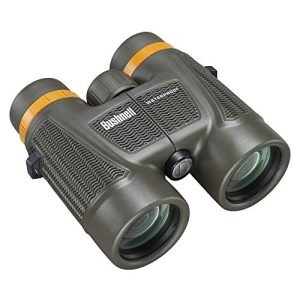
Credit: www.ebay.com
Choosing The Right Tactical Binoculars
Magnificationaffects how close objects appear. Choose a number between 6x and 10x for low light. Higher magnification can make images dimmer and shakier.
Lens sizecontrols light gathering. Bigger lenses (around 40mm to 50mm) let in more light. This helps you see better in dark places.
Good binoculars balance magnificationand lens size. Too much zoom with small lenses leads to poor visibility.
| Feature | Recommended | Why |
|---|---|---|
| Magnification | 6x to 10x | Clear view without too much shake |
| Lens Size | 40mm to 50mm | More light enters for better visibility |

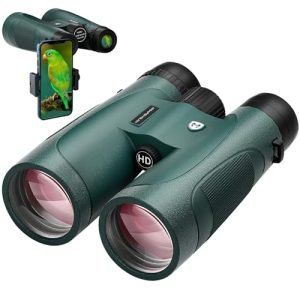
Credit: manuals.plus
Understanding Optics And Coatings
Lens coatingsimprove the light that passes through binoculars. They help to reduce glare and reflections. This makes the image clearer and brighter, especially in low lightconditions. Different coatings protect lenses from scratches and dirt. Multi-coated lenses give better light transmission than single-coated ones.
Prismsare key for binoculars to show sharp images. Roof prisms are compact and strong but need good coatings. Porro prisms offer better depth and brightness but are bulkier. Quality prisms with coatings increase brightness and contrast. This helps to see details in dark or dim places.
| Feature | Benefit |
|---|---|
| Multi-coated lenses | Brighter and clearer images |
| Anti-reflective coatings | Less glare and reflections |
| Roof prisms | Compact and durable design |
| Porro prisms | Better image depth and brightness |
Adjusting Binocular Settings
Focusing tactical binoculars in low light needs care. Start by closing your right eye and adjust the center focus wheel. Open your right eye and close your left eye. Turn the diopter ring on the right eyepiece to focus clearly. This helps balance vision between your eyes.
Using the diopter adjustment improves clarity. It corrects differences between your eyes. This makes objects sharp and easy to see in dim light. Always set the diopter first before using the center focus wheel.
- Close right eye, adjust center focus for left eye.
- Close left eye, adjust diopter ring for right eye.
- Open both eyes to check if view is sharp.
- Repeat if the image is blurry or unclear.

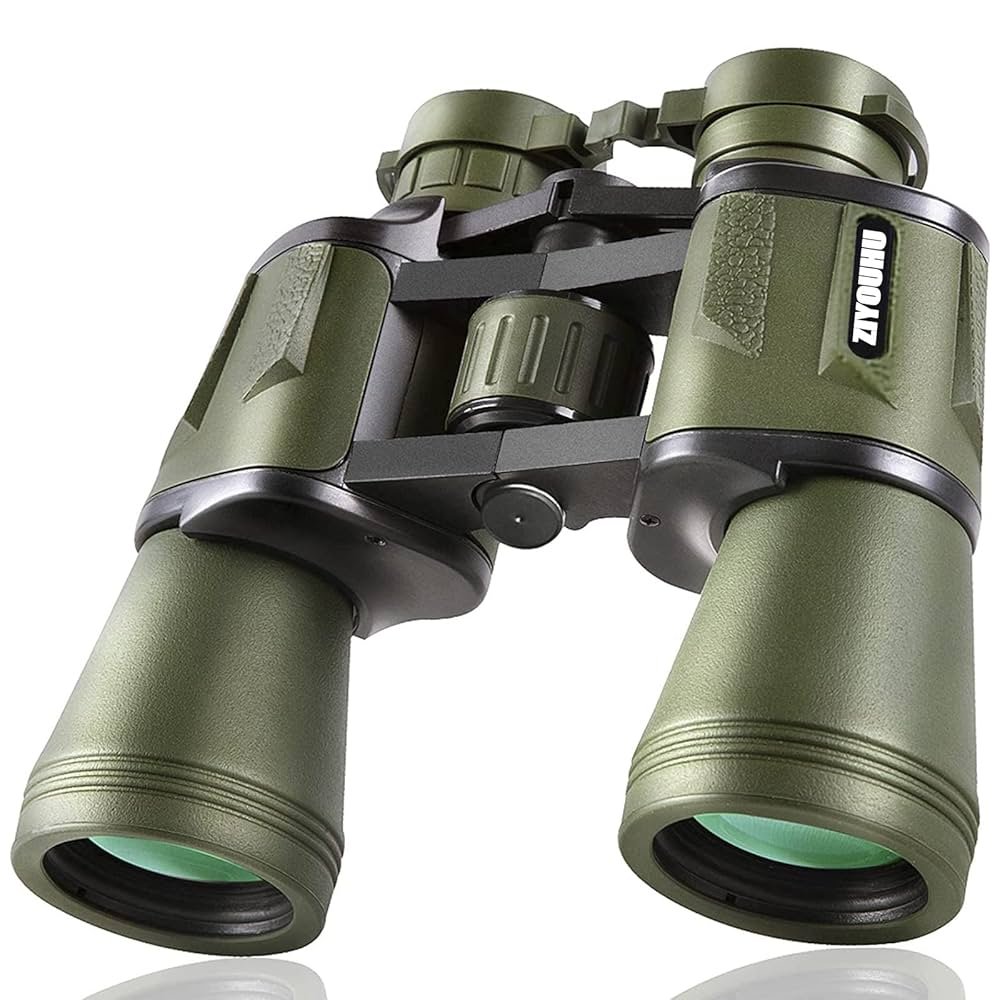
Credit: www.amazon.com
Enhancing Night Vision
Night vision technologyhelps see in very dark places. Tactical binoculars with this tech use special lenses and sensors. These lenses gather more light than normal ones. Sensors then change this light into a clear image. This lets you see shapes and movements at night.
Devices may have infrared light. This light is invisible to the eye but helps the binoculars see better. Some models have settings to adjust brightness and contrast. This helps in different light conditions.
- Stay calm and let your eyes adjust to darkness.
- Avoid bright lights before using binoculars.
- Cover one eye for a few minutes to improve natural night vision.
- Use red light to read maps or notes without hurting night vision.
Maintenance And Care
Use a soft microfiber cloth to clean the lenses gently. Avoid using paper towels or clothing, which can scratch lenses. A small amount of lens cleaner or water can help remove dirt. Clean the outer parts with a damp cloth, not the inside.
Store binoculars in a cool, dry place away from direct sunlight. Keep them in a padded case to protect from dust and damage. Always close the lens caps when not in use. Avoid leaving binoculars in hot cars or damp areas to prevent damage.
Practical Usage Tips
Hold the binoculars close to your chest or rest your elbows on a solid surface. This helps keep them steady. A stable position reduces shaking and improves image clarity in low light.
Turn your body slightly to block any light source behind you. This stops glare from hitting the lenses. Use the binoculars’ lens caps or sunshades to reduce reflections on the glass.
- Use both hands to support the binoculars firmly.
- Lean against a tree or wall for extra stability.
- Keep the binoculars level to avoid skewed images.
- Adjust the angle to avoid bright lights shining directly on lenses.
Frequently Asked Questions
What Makes Tactical Binoculars Ideal For Low Light Use?
Tactical binoculars feature larger objective lenses and high-quality prisms. These enhance light gathering, improving visibility in dim conditions. Their durable design ensures reliability during night operations or low-light outdoor activities.
How To Adjust Tactical Binoculars For Low Light Conditions?
Start by setting the focus sharply on a nearby object. Use the diopter adjustment to match your eyesight. Increase the aperture if adjustable. Hold the binoculars steadily to maximize image brightness and clarity.
Can Tactical Binoculars Improve Night Vision Without Infrared?
Yes, they enhance natural light through superior optics and coatings. This brightens images without infrared technology. However, they won’t provide true night vision but improve visibility in twilight or dusk.
What Features Should I Look For In Low Light Tactical Binoculars?
Look for large objective lenses (40mm or more), high-quality prism coatings, and good eye relief. Waterproof and fog-resistant models are ideal. These features ensure clear, bright images in low light.
Conclusion
Tactical binoculars help you see clearly in low light. Adjust the focus slowly and steadily. Use the right settings for dark conditions. Hold the binoculars steady to avoid blurry images. Practice often to improve your skills. Choose models with good light-gathering lenses.
Night vision or infrared can also help, but learn how to use them well. Staying calm and patient makes a big difference. These simple steps improve your vision when light is low. Keep practicing, and you will get better every time.