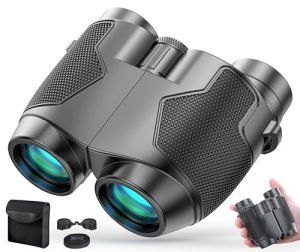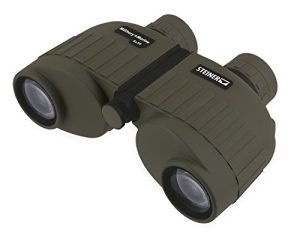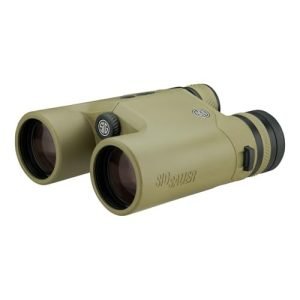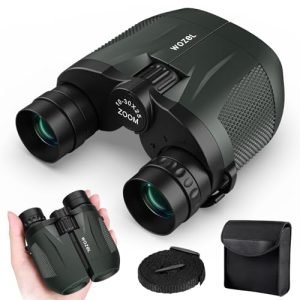
If you need to stay hidden while keeping a close watch, knowing how to use surveillance binoculars for covert operations is key. These powerful tools let you observe from a distance without drawing attention.
But using them effectively takes more than just looking through the lenses. In this guide, you’ll discover practical tips to master your binoculars, stay undetected, and gather the information you need. Ready to sharpen your skills and take control of your surveillance?
Keep reading to unlock the secrets that can make all the difference.
Choosing The Right Binoculars
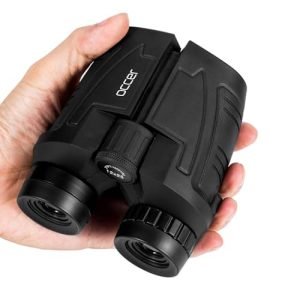
Surveillance binoculars help you watch without being seen. Picking the right pair is very important. Good binoculars make covert operations easier.
Consider many factors before buying. The right choice depends on your needs and the environment.
Magnification And Lens Size
Magnification shows how close objects appear. Higher numbers bring things nearer but can shake more. Choose a balance for clear views.
Lens size affects how much light enters. Bigger lenses give brighter images, especially in low light. But they can be heavy.
- 5x to 10x magnification works well for most tasks
- Lens size between 30mm and 50mm offers good brightness
- Higher magnification needs steady support to avoid blur
Night Vision And Infrared Features
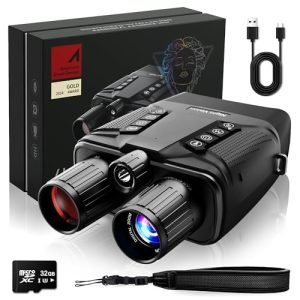
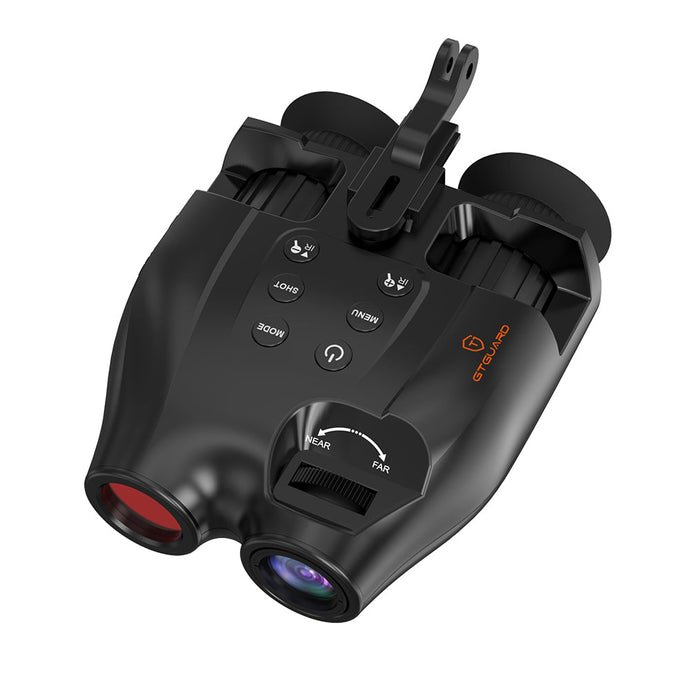
Night vision helps you see in darkness. Infrared (IR) lets you spot heat signatures. Both features aid covert night operations.
Choose binoculars with clear night vision or IR if working in dark areas. Check battery life and ease of use for long missions.
- Night vision uses light amplification to see in dark
- Infrared detects heat to reveal hidden objects
- Look for models with long battery life and good image quality
Durability And Weather Resistance
Strong and weatherproof binoculars last longer in tough conditions. They resist rain, dust, and shocks during fieldwork.
Check for rubber armor and waterproof seals. These features protect your binoculars and keep images clear in bad weather.
- Rubber coating offers good grip and shock protection
- Waterproof and fog-proof keep lenses clear in rain and cold
- Choose rugged models for outdoor and covert use

Credit: www.youtube.com
Essential Accessories
Surveillance binoculars need the right accessories to work well. These tools help you stay steady, protect your gear, and keep lenses clear. Using the right accessories makes covert operations easier and more effective.
Below are some key accessories that improve your experience with surveillance binoculars. Each plays a vital role in different parts of your operation.
Tripods And Stabilizers
Tripods and stabilizers keep your binoculars steady. This reduces shaking and helps you see distant objects clearly. They are especially useful during long surveillance sessions.
- Tripods provide a fixed, stable base for your binoculars.
- Stabilizers are handheld devices that reduce hand movement.
- Both help improve image clarity and reduce fatigue.
Carrying Cases
Carrying cases protect your binoculars during transport. They keep dust, moisture, and impacts away. Good cases make it easier to carry your gear safely and discreetly.
| Case Type | Protection Level | Portability |
| Hard Shell | High | Moderate |
| Soft Pouch | Medium | High |
| Backpack Case | High | High |
Lens Cleaning Kits
Lens cleaning kits keep your binocular lenses clear. Dirt or smudges can blur your view and ruin a mission. These kits usually include brushes, cloths, and cleaning fluid.
Basic lens cleaning kit includes:
- Soft microfiber cloth
- Lens cleaning solution
- Air blower brush
- Small lens brush
Mastering Stealth Techniques
Using surveillance binoculars quietly is key in covert operations. Staying hidden helps you watch without being seen.
Learn how to move softly, use natural cover, and blend with the environment. These skills keep you safe and unnoticed.
Minimizing Noise And Movement
Move slowly and carefully to avoid making noise. Sudden actions can draw attention.
Keep your body balanced and steady while using binoculars. Small movements reduce the chance of being spotted.
- Wear soft-soled shoes to lessen sound
- Practice breathing control to stay calm
- Avoid touching dry leaves or twigs
- Use slow, deliberate hand movements
Using Natural Cover
Natural cover like trees and bushes hides your shape. Stay behind them to stay out of sight.
Pick spots that block your body from view but allow a clear line of sight through your binoculars.
- Choose dense foliage to break your outline
- Use shadows to stay less visible
- Stay low to avoid being seen over tall grass
- Change cover spots if you need to move
Blending With The Environment
Wear clothing that matches the colors around you. This helps you blend into the background.
Keep your gear and binoculars covered to avoid shining or reflecting light.
- Use earth tones like green, brown, and gray
- Cover shiny parts with matte tape or cloth
- Stay still to avoid drawing attention
- Match your movement to the environment, like swaying with the wind

Credit: www.youtube.com
Effective Observation Strategies
Surveillance binoculars help observe targets from a distance without being noticed. Using them well is key for covert operations.
Good observation needs careful planning and steady focus. These strategies improve your chances of success.
Choosing Optimal Positions
Select spots that offer clear views but keep you hidden. High places or areas with natural cover work best.
Consider the angle, lighting, and possible escape routes. Avoid places with too much movement or noise.
- Use buildings, trees, or bushes for cover
- Stay out of direct sight of the target
- Keep a low profile and avoid open spaces
- Check for good lighting to see details clearly
Timing And Patience
Wait quietly and watch carefully. Rushing can cause mistakes or reveal your presence.
Observe patterns and behaviors over time. This helps you understand the target better.
- Choose times when the target is most active
- Stay still and silent for long periods
- Take breaks to avoid fatigue
- Use slow, steady movements to adjust your view
Recording And Reporting Findings
Write down what you see right after observation. Clear notes help keep track of important details.
Use sketches, photos, or voice recordings if allowed. Share findings quickly and accurately with your team.
- Note time, date, and location of observations
- Describe behaviors, movements, and any changes
- Keep records secure and confidential
- Report facts without adding assumptions
Maintaining And Caring For Binoculars
Proper care keeps your surveillance binoculars in top shape. It helps you see clearly during covert operations. Regular maintenance extends the life of your equipment.
Follow simple steps to clean, store, and fix common problems. These tips protect your binoculars from damage and wear.
Regular Cleaning Practices
Clean your binoculars carefully to avoid scratches or damage. Use soft materials and avoid harsh chemicals.
- Use a soft brush to remove dust from lenses.
- Wipe lenses gently with a microfiber cloth.
- Use lens cleaning solution if needed, not household cleaners.
- Clean the body with a damp cloth to remove dirt.
- Dry binoculars completely before storing.
Storage Tips
Store binoculars in a dry and safe place. Proper storage stops damage from moisture and impacts.
| Storage Condition | Reason |
| Use a padded case | Protects from drops and bumps |
| Keep dry | Prevents mold and rust |
| Avoid direct sunlight | Prevents lens damage |
| Store at room temperature | Maintains mechanical parts |
Troubleshooting Common Issues
Fix small problems quickly to keep your binoculars working well. Many issues can be solved without special tools.
- If the image is blurry, clean the lenses and adjust the focus.
- For stuck eyecups, gently twist or pull them to free movement.
- Check for loose screws and tighten carefully with a small screwdriver.
- If fog appears inside, dry binoculars by leaving them open in a dry place.
- Seek professional repair for cracked lenses or broken parts.

Credit: www.shutterstock.com
Frequently Asked Questions
What Are The Best Features In Surveillance Binoculars?
Look for waterproof, night vision, high magnification, and image stabilization features. These enhance clarity and usability in covert operations.
How To Stay Undetected While Using Binoculars?
Use camouflage and avoid bright clothing. Move slowly, avoid bright light reflections, and choose concealed positions for observation.
Can Surveillance Binoculars Work Effectively At Night?
Yes, models with infrared or night vision help see in low light. Choose binoculars with good light-gathering ability for night use.
How Do You Maintain Surveillance Binoculars For Longevity?
Clean lenses gently with a microfiber cloth. Store in a protective case and avoid exposure to extreme temperatures or moisture.
Conclusion
Surveillance binoculars help you see clearly from a distance. Use them quietly to avoid being noticed. Practice adjusting focus and holding them steady. Choose the right time and place for observation. Always respect privacy and legal limits. Small details can make a big difference.
Stay alert and trust your instincts. With patience and care, you can gather useful information safely. Keep your equipment ready and maintain it well. Covert operations require skill, but simple steps bring success.