Are you struggling to measure long distances accurately while hiking, hunting, or surveying? Using rangefinder monoculars can change that instantly.
These powerful tools help you see faraway objects clearly and give you precise distance readings in seconds. Imagine how much easier your outdoor adventures or work tasks could become with this skill. You’ll learn exactly how to use rangefinder monoculars for long distance measurement, step by step.
Keep reading, and soon you’ll be confident in spotting and measuring distances like a pro.
Choosing The Right Rangefinder Monocular
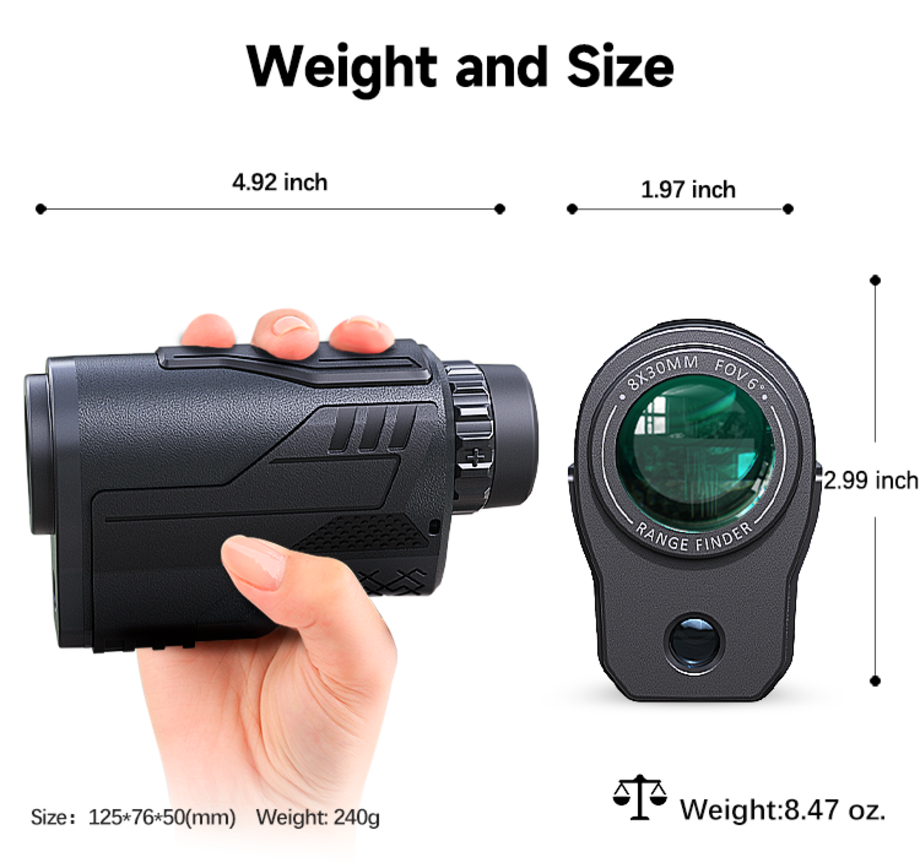
Choosing the right rangefinder monocularis key for accurate distance measurement. Important features include range accuracy, which tells how close the reading is to the actual distance, and maximum rangethat shows how far you can measure. Magnification powerhelps see distant objects clearly, while field of viewdefines how much area you can see at once. Look for compact and lightweightmodels for easy handling. Also, check if it is weather-resistantto use in rain or dust.
| Brand | Model | Max Range | Magnification | Special Feature |
|---|---|---|---|---|
| Leica | CRF 2800-R | 2800 yards | 7x | Fast focus |
| Vortex | Razor HD 4000 | 4000 yards | 7x | Waterproof |
| Bushnell | Prime 1800 | 1800 yards | 6x | Compact size |
Understanding Rangefinder Technology
Laser rangefindersuse a beam of light to measure distance. The device sends a laser pulse to the target. It then measures the time the pulse takes to return. This helps calculate the distance accurately. Laser rangefinders work fast and give precise results. They are useful for hunting, golfing, and surveying.
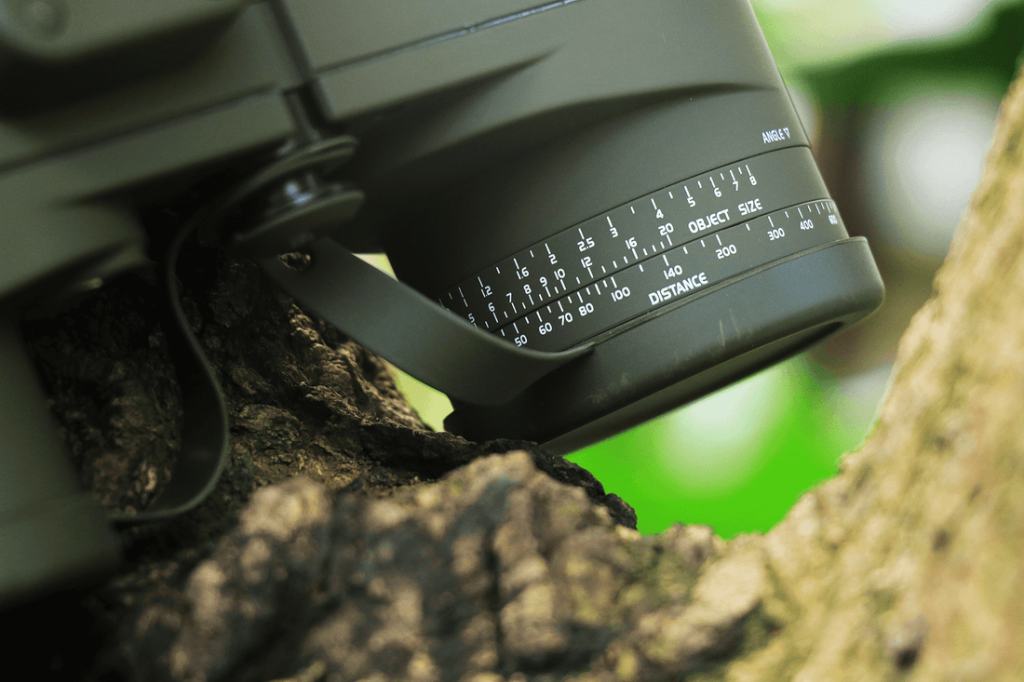
Optical rangefindersuse lenses and mirrors to find distance. You look through the monocular and align two images. When the images line up, the distance can be read from a scale. They are simple to use but less precise than laser rangefinders. Optical rangefinders do not need batteries, making them handy in the field.
Preparing For Accurate Measurements
Calibrating your rangefinder monocular is key for accurate distance readings. Begin by setting it on a known distance target. This helps the device learn the correct measurements. Use a flat, open area for best results. Make sure the device is steady during calibration. Repeat the process a few times to improve accuracy.
Setting the correct mode depends on what you want to measure. Many devices offer modes like distance, angle, and continuous scan. Choose the mode that fits your task. For example, use angle mode for measuring slopes. Distance mode works well on flat ground. Always check the mode before starting.
Techniques For Long Distance Measurement
Hold the monocular steady to get clear distance readings. Use both hands or rest your arm on a solid surface. This reduces shaking and helps with precision.
Use a tripod if possible. It offers the best stability for long distance measurement. Even small movements can cause errors.
- Take deep breaths before aiming to stay calm.
- Look through the monocular slowly to find the target.
- Keep your eye relaxed and avoid quick movements.
Focus the lens to sharpen the image. A clear view helps measure distance more accurately.
Target steady objects like trees, poles, or buildings. These objects give better results than moving targets.
Common Challenges And Solutions
Obstacles like trees, buildings, and hills can block the view. Move slightly to find a clear line of sight. Use a tripod to keep the monocular steady. This helps in focusing on distant objects without shaking. Clear fog or dirt from the lens before measuring for better accuracy.
Low light makes it hard to see targets clearly. Use monoculars with good light-gathering lenses. Choose models with night vision or illuminated reticles if possible. Early morning or late afternoon offer better natural light. Keep the lens clean to enhance brightness and clarity.

Credit: gogogosport.com
Maintenance And Care For Longevity
Clean the lenses gently with a soft cloth or lens tissue. Avoid using rough materials that may scratch the glass. Use a small brush or air blower to remove dust from crevices.
Store the monocular in a dry, cool place. Keep it inside a protective case to prevent damage. Avoid exposure to direct sunlight for long periods.
| Battery Care Tips |
|---|
| Use the recommended battery type only. |
| Remove batteries if not using the device for a long time. |
| Check batteries regularly and replace when power is low. |
| Store batteries in a cool, dry place separate from the monocular. |
Safety Considerations
Rangefinder monoculars use lasers to measure distances. Never point the laser at peopleor animals. The laser can harm eyes even if it looks safe. Always check your surroundings before using the laser.
Wear protective eyewearwhen using rangefinders. Keep the device away from children. Use the rangefinder only as the manual says. Avoid shining lasers near reflective surfaces, which can bounce the beam unpredictably.
- Turn off the laser when not measuring
- Do not look directly into the laser beam
- Use the device outdoors or in open spaces
- Store the rangefinder safely after use

Credit: bosean.en.made-in-china.com
Credit: www.globalsources.com
Frequently Asked Questions
What Is A Rangefinder Monocular?
A rangefinder monocular is a compact optical device. It combines magnification with a laser rangefinder. This tool measures distances accurately over long ranges. It is ideal for outdoor activities like hunting and golfing.
How Do Rangefinder Monoculars Measure Distance?
They use laser technology to send a beam to the target. The device calculates the time for the beam to return. This time converts into distance measurement instantly. It provides precise and reliable long-distance data.
Can Beginners Easily Use Rangefinder Monoculars?
Yes, most models are user-friendly and intuitive. They come with simple buttons and clear displays. Beginners can quickly learn to measure distances accurately. Instruction manuals and video tutorials enhance the learning process.
What Factors Affect Rangefinder Accuracy?
Accuracy depends on target size, reflectivity, and weather conditions. Larger, reflective targets yield more precise results. Fog, rain, or dust can reduce measurement accuracy. Choosing the right model and conditions improves reliability.
Conclusion
Using rangefinder monoculars makes measuring long distances simple and fast. Practice helps you get clearer views and better readings. Always hold the device steady for accurate results. Remember to check the settings before you start measuring. With regular use, you will feel more confident and precise.
These tools are handy for outdoor adventures, sports, and work. Keep your monocular clean and safe to last longer. Enjoy discovering distances with ease and accuracy every time.