Have you ever wished you could watch birds after the sun goes down? Nighttime birdwatching opens up a whole new world of fascinating creatures and behaviors that daylight simply can’t reveal.
But how do you see these elusive birds in the dark? That’s where night vision binoculars come in. If you want to learn how to use these powerful tools to explore the night sky and spot nocturnal birds with ease, this guide is exactly what you need.
Keep reading, and you’ll discover simple tips to make your nighttime birdwatching clear, exciting, and unforgettable.
Choosing The Right Night Vision Binoculars
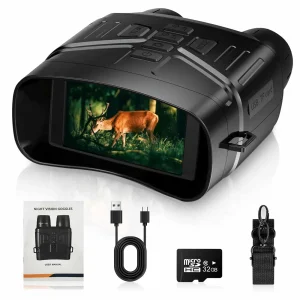
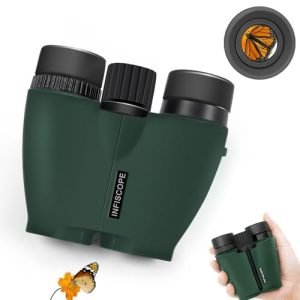
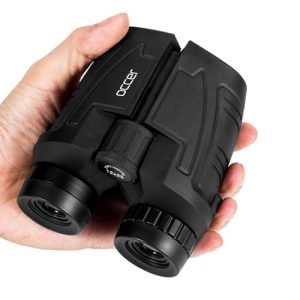
Night vision binocularscome with different technologies. The most common types are Generation 1, 2, and 3. Gen 1 is the cheapest but has lower image quality. Gen 2 offers better clarity and range. Gen 3 is the best but costs more. Choosing the right type depends on your needs and budget.
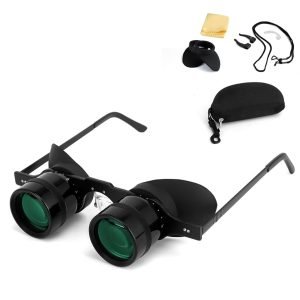
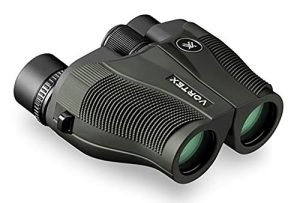
Magnification affects how close objects appear. Too much can make images shaky and blurry. A 5x to 8x magnificationis usually best for birdwatching. Field of view shows how wide the area looks through binoculars. A wider field helps track moving birds easily.
| Feature | Details |
|---|---|
| Magnification | 5x to 8x is ideal for birdwatching |
| Field of View | Wide view helps find birds quickly |
| Technology | Gen 1 (cheap), Gen 2 (better), Gen 3 (best) |
| Budget | Set limits before choosing features |
Setting a budget helps narrow down choices. More expensive models have clearer images and longer battery life. Basic models work well for beginners or casual use. Decide what features matter most before buying.

Credit: www.hammacher.com
Preparing For Nighttime Birdwatching
Choosing quiet and dark placeshelps spot birds easier at night. Parks, forests, and wetlands are best. Visit during new moon nightsor cloudy evenings for less light. Early night hours offer more bird activity.
- Wear dark, warm clothesto stay hidden and comfortable.
- Bring waterproof bootsfor wet or muddy spots.
- Use gloves and hatsto protect from cold or insects.
- Carry a small backpackfor gear and snacks.
Keep a flashlight with red lightto avoid scaring birds. Tell someone your plan for safety. Stay on known paths to avoid accidents. Watch for wildlife and insects. Carry a first aid kitfor emergencies.
Techniques For Using Night Vision Binoculars
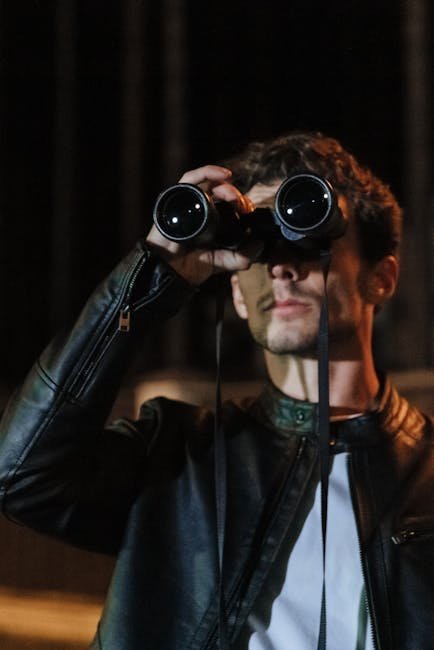
Adjust the brightnessand contrastto suit the dark environment. Use the focus knobto sharpen images. Start with low settings and increase slowly to avoid glare. Keep the binoculars steady for clear views.
Track bird movements by moving binoculars smoothlyand slowly. Watch for small changes in shapes or shadows. Patience is key. Use soft, slow motions to avoid startling birds.
| Feature | Bird Species Clues | Night Vision Tips |
|---|---|---|
| Size | Small or large body shape | Adjust zoom to see details clearly |
| Movement | Fast flapping or slow gliding | Track slow, steady movements for better focus |
| Sounds | Distinct calls or silent flight | Use hearing to confirm species when vision is weak |

Credit: www.popsci.com
Enhancing Birdwatching Experience
Using audio cueshelps spot birds in the dark. Listen for calls, wing sounds, or rustling leaves. These sounds guide your eyes to the right place quickly.
Recording observations is key. Write down or record the types of birds seen and their behaviors. This keeps a good track and helps learn over time.
Joining birdwatching communities allows sharing tips and stories. You can learn from others and find new spots to explore. It makes the hobby more fun and social.
Troubleshooting Common Issues
Foggy lensescan blur your view. Wipe lenses gently with a soft cloth. Use lens cleaning solution if needed. Keep lenses in a dry case to avoid moisture buildup.
Battery life is very important. Carry extra batteries to avoid interruptions. Turn off binoculars when not in use. Use rechargeable batteries for longer use and save money.
- Take breaks often to avoid eye strain.
- Adjust the focus slowly and comfortably.
- Use a neck strap to keep binoculars steady.
- Keep the brightness low to reduce glare.

Credit: www.amazon.co.uk
Frequently Asked Questions
How Do Night Vision Binoculars Enhance Birdwatching?
Night vision binoculars amplify low light, making birds visible at night. They reveal details invisible to the naked eye. This helps birdwatchers identify species and observe natural behaviors after dark.
What Features To Consider In Night Vision Binoculars?
Look for high resolution, good magnification, and wide field of view. Battery life and durability are also important. These features improve your nighttime birdwatching experience and ease of use.
Can Night Vision Binoculars Work Without Ambient Light?
Most night vision binoculars need some ambient light or infrared illumination. Without light, images may be unclear or black. Choose models with built-in IR for complete darkness birdwatching.
How To Maintain Night Vision Binoculars For Longevity?
Keep lenses clean and store in a protective case. Avoid exposure to moisture and extreme temperatures. Regularly check batteries and handle the device gently to ensure lasting performance.
Conclusion
Night vision binoculars open new chances for birdwatching at night. They help you see birds clearly in the dark. Remember to adjust your binoculars for the best view. Stay quiet and patient to avoid scaring birds away. Practice often to become comfortable using them.
Enjoy the calm and beauty of nighttime nature. Night birdwatching can be peaceful and exciting. Keep exploring and discovering new nighttime birds.