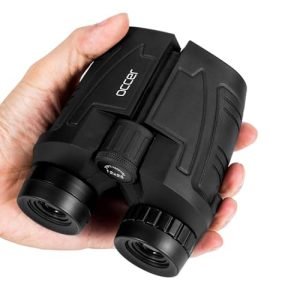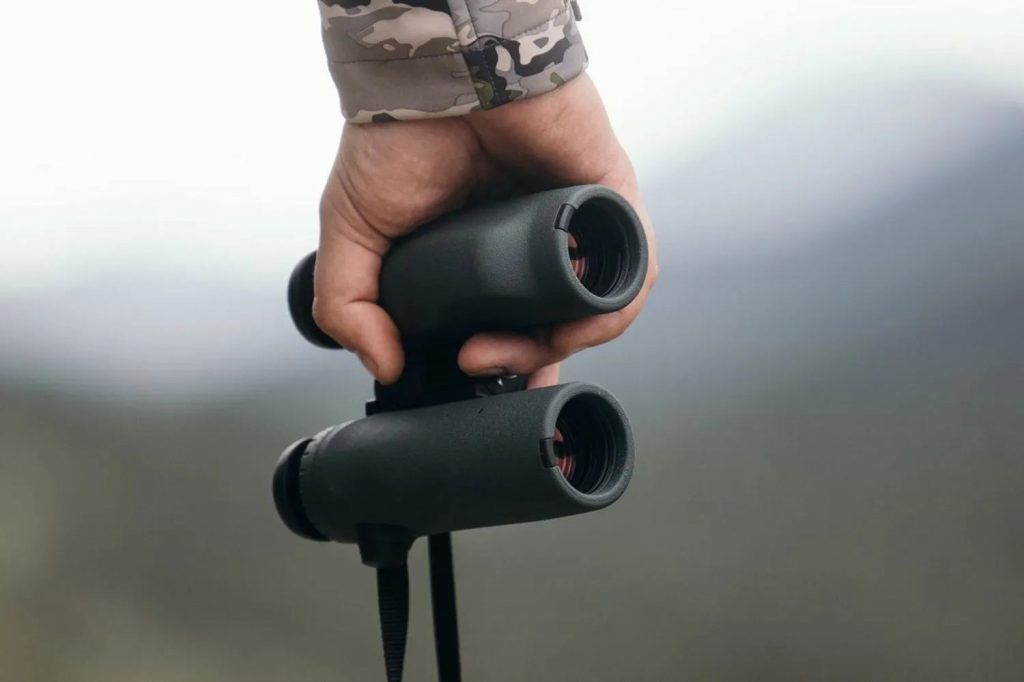
Are you ready to take your birdwatching skills to the next level? Using monoculars can make a huge difference in how clearly you see birds, but the key is knowing how to use them right in different environments.
Whether you’re in a dense forest, open field, or near water, your approach needs to change to get the best view. You’ll discover simple tips that help you make the most of your monoculars no matter where you are. Keep reading, and you’ll soon spot birds like never before.
Choosing The Right Monocular
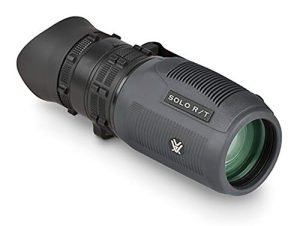
Choosing the right monoculardepends on several important factors. Consider the magnificationpower first. Higher magnification shows more detail but can be harder to hold steady. The lens sizeaffects light intake; larger lenses work better in low light. Weight matters for long trips; lighter models cause less fatigue.
Think about the environmenttoo. Wet or dusty places need waterproofand fog-proofmodels. Comfort is key. Look for rubber gripsand easy focus controls. Also, check the field of view. Wide views help to spot birds faster.
| Type of Monocular | Use | Pros | Cons |
|---|---|---|---|
| Roof Prism | Compact, easy to carry | Lightweight, slim design | Usually pricier |
| Porro Prism | Better depth and brightness | More affordable, bright image | Bulkier, less compact |
:max_bytes(150000):strip_icc()/tal-athlon-optics-8x42-midas-uhd-binoculars-signe-bamsey-ben-wanamaker-09-1-8caa644274c046f78e4cc47a08bb9750.jpeg)
Credit: www.travelandleisure.com
Essential Features For Birdwatching
Magnificationshows how close birds appear. A 8x to 10x magnification is good for clear views without shaking. Too much power makes images blurry and hard to hold steady.
Lens qualityaffects brightness and sharpness. Look for lenses with coatings that reduce glare and improve light. This helps see birds well in dim light or thick forests.
- Field of View (FOV)is how wide the scene looks through the monocular.
- A larger FOV helps spot birds faster and follow their movement.
- Choose a monocular with at least 300 feet FOV at 1000 yards for easy tracking.
Birdwatching In Forests
Dense trees and leaves can block your view. Use a monocular with a wide field of viewto see more area at once. Move slowly and quietly to avoid scaring birds. Scan the branches carefully, focusing on the sounds you hear.
Low light in forests makes spotting birds hard. Choose a monocular with a large objective lensto gather more light. This helps you see birds clearly in dim places. Hold the monocular steady or use a small tripod to avoid blurry images.
Birdwatching In Open Fields
Tracking fast-moving birds in open fields needs quick focus and steady hands. Choose a monocular with a wide field of view to spot birds easily. Practice following birds smoothly without shaking the device. Use short glances to keep up with their speed.
Bright light can make it hard to see details. Use a monocular with good lens coatings to reduce glare. Wearing a hat or sunglasses helps protect your eyes. Try to stand with the sun behind you to avoid direct light in your eyes.
- Pick a monocular with wide field of view
- Hold steady and follow birds smoothly
- Use lens coatings to reduce glare
- Wear a hat or sunglasses for eye protection
- Stand with sun behind for better visibility
Birdwatching Near Water Bodies
Observing waterfowlrequires patience and quiet. Water birds often stay still or move slowly. Use a monocularto watch their behavior from a distance without disturbing them. Focus on details like feather patternsand colorsto identify species.
Handling glare from watercan be tricky. Water reflects sunlight, making it hard to see clearly through your monocular. Try these tips:
- Use a polarizing filterif possible to reduce glare.
- Observe during early morningor late afternoonwhen light is softer.
- Adjust your viewing angleto avoid direct reflection.
- Shade the lens with your hand or hat to block bright light.
Birdwatching In Urban Areas
City birds like pigeons, sparrows, and starlings are common sights. Monoculars help spot small details, such as feather patterns or colors. This makes it easier to tell one bird from another.
Use monoculars quietly and avoid sudden movements. This keeps birds calm and close. Watching from behind a tree or bench helps you stay hidden. It also stops birds from flying away quickly.
- Pick a quiet spot with good light.
- Hold the monocular steady for a clear view.
- Look slowly to avoid scaring birds.
- Blend in with your surroundings.
Maintaining Your Monocular
Keep your monocular clean for clear views. Use a soft cloth to wipe lenses gently. Avoid using rough materials that can scratch the glass. Use lens cleaning solution if needed, but apply it to the cloth, not the lens directly.
Store the monocular in a dry, cool place. Use a case to protect it from dust and damage. Avoid leaving it in hot or humid areas, as this can harm the lenses and body. Check the monocular regularly for dirt or moisture build-up.
| Cleaning Tips | Storage Tips |
|---|---|
| Use microfiber cloth | Keep in a padded case |
| Apply lens cleaner on cloth | Store away from heat |
| Remove dust gently | Keep in dry place |
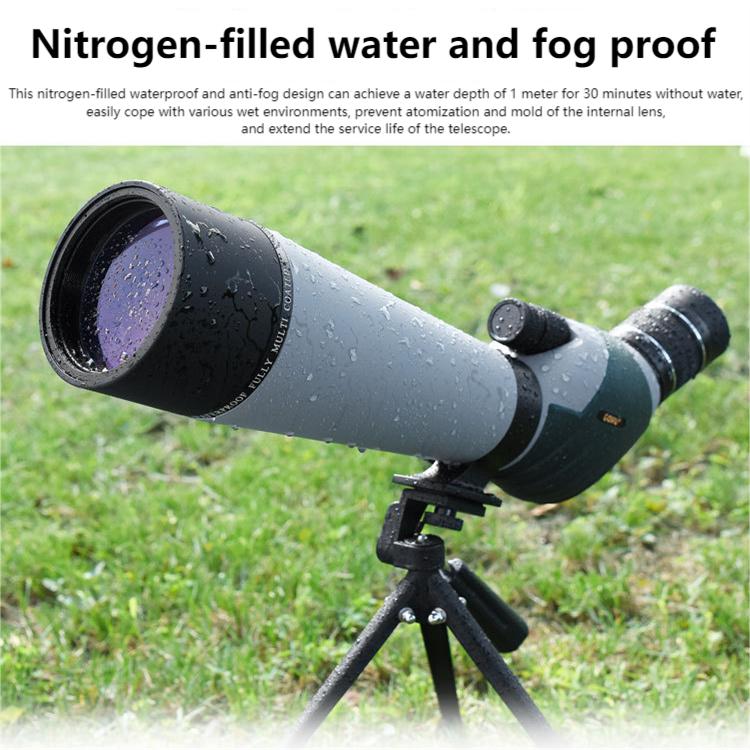
Credit: benfarmm.com

Credit: www.celestron.com
Frequently Asked Questions
How Do I Choose Monoculars For Forest Birdwatching?
Select lightweight monoculars with good magnification (6x to 8x). Opt for waterproof and fog-resistant models. These features help you see clearly through dense foliage and changing weather.
Can I Use Monoculars For Birdwatching Near Water Bodies?
Yes, use waterproof and anti-fog monoculars near water. A stable grip and quick focus help capture birds on moving water surfaces effectively.
What’s The Best Way To Hold Monoculars While Hiking?
Hold your monocular steady with both hands. Use a neck strap to reduce fatigue. This ensures clear, shake-free viewing on uneven trails.
How To Adjust Monocular Focus For Distant Birds?
Turn the focus ring slowly until the bird image sharpens. Practice focusing on various distances. This improves clarity when birds fly at different ranges.
Conclusion
Birdwatching with monoculars changes with each environment. Adjust your focus and hold steady for clear views. Use proper light and stay quiet to avoid scaring birds. Practice often to improve your skills. Enjoy the beauty of nature through your lens.
Each place offers a new chance to see amazing birds. Keep exploring and observing with patience and care. Your monocular can bring you closer to nature every time.