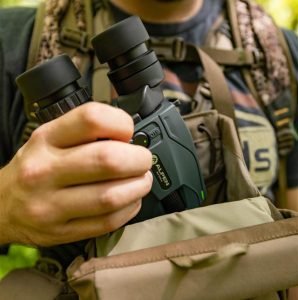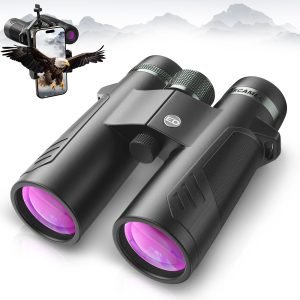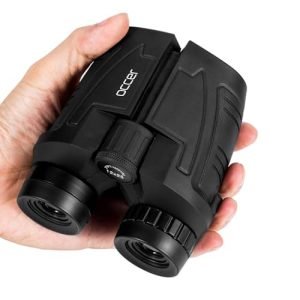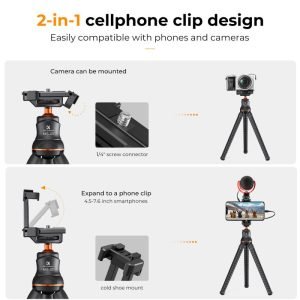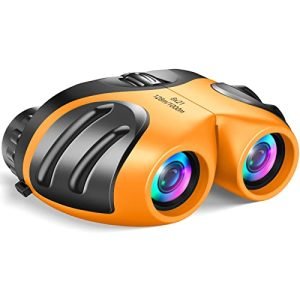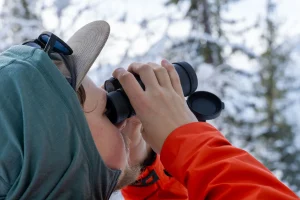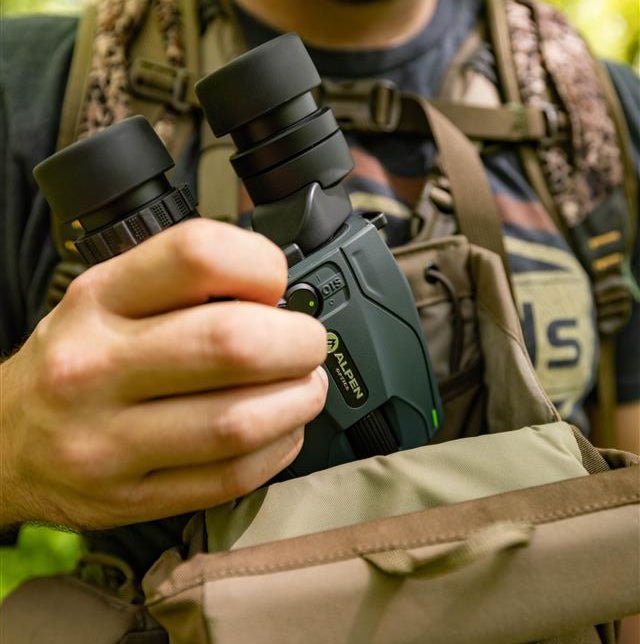
Are you tired of blurry views and shaky images when you’re out hiking or trekking? Using image stabilized binoculars can change the way you experience nature.
These special binoculars help keep your view steady, even when your hands or the terrain aren’t perfectly still. Imagine spotting distant wildlife clearly or enjoying breathtaking landscapes without the usual frustration. You’ll discover simple tips on how to use image stabilized binoculars to make your outdoor adventures more enjoyable and rewarding.
Keep reading to unlock the full potential of your gear and see the world like never before.
Benefits Of Image Stabilized Binoculars
Image stabilized binocularsreduce shaking and blur caused by hand movements. This makes it easier to see distant objects clearly while hiking or trekking. They help maintain a steady view, even on rough or uneven trails.
These binoculars also reduce eye strain by providing a stable image. This allows hikers to use them for longer periods without discomfort. They improve safety by helping users spot obstacles and wildlife more quickly.
- Clearer visionduring movement
- Less tired eyeson long hikes
- Better spottingof animals and landmarks
- More comfortableto use on uneven paths
Choosing The Right Binoculars
Magnificationaffects how close objects appear. For hiking, 8x to 10x is best. Higher magnification can make images shaky.
Weight matters for long treks. Choose binoculars that are lightand easy to carry. Compact models fit well in backpacks.
Durability is key. Binoculars should resist waterand dust. Look for models with rubber coatingsfor grip and shock protection.
Preparing For Your Hiking Adventure
Packing the right gear helps you enjoy hiking safely and comfortably. Include image stabilized binocularsto see far and steady views. Bring water, snacks, a map, and a first aid kit. Dress in layers to stay warm or cool.
Know the terrain and environmentyou will hike. Mountains, forests, or deserts need different preparation. Check the weather forecast and plan your route carefully. Study the area for plants, animals, and trail conditions.
- Carry a whistle for emergencies
- Tell someone your hiking plan
- Stay on marked trails
- Wear sturdy shoes with good grip
- Use sunscreen and insect repellent
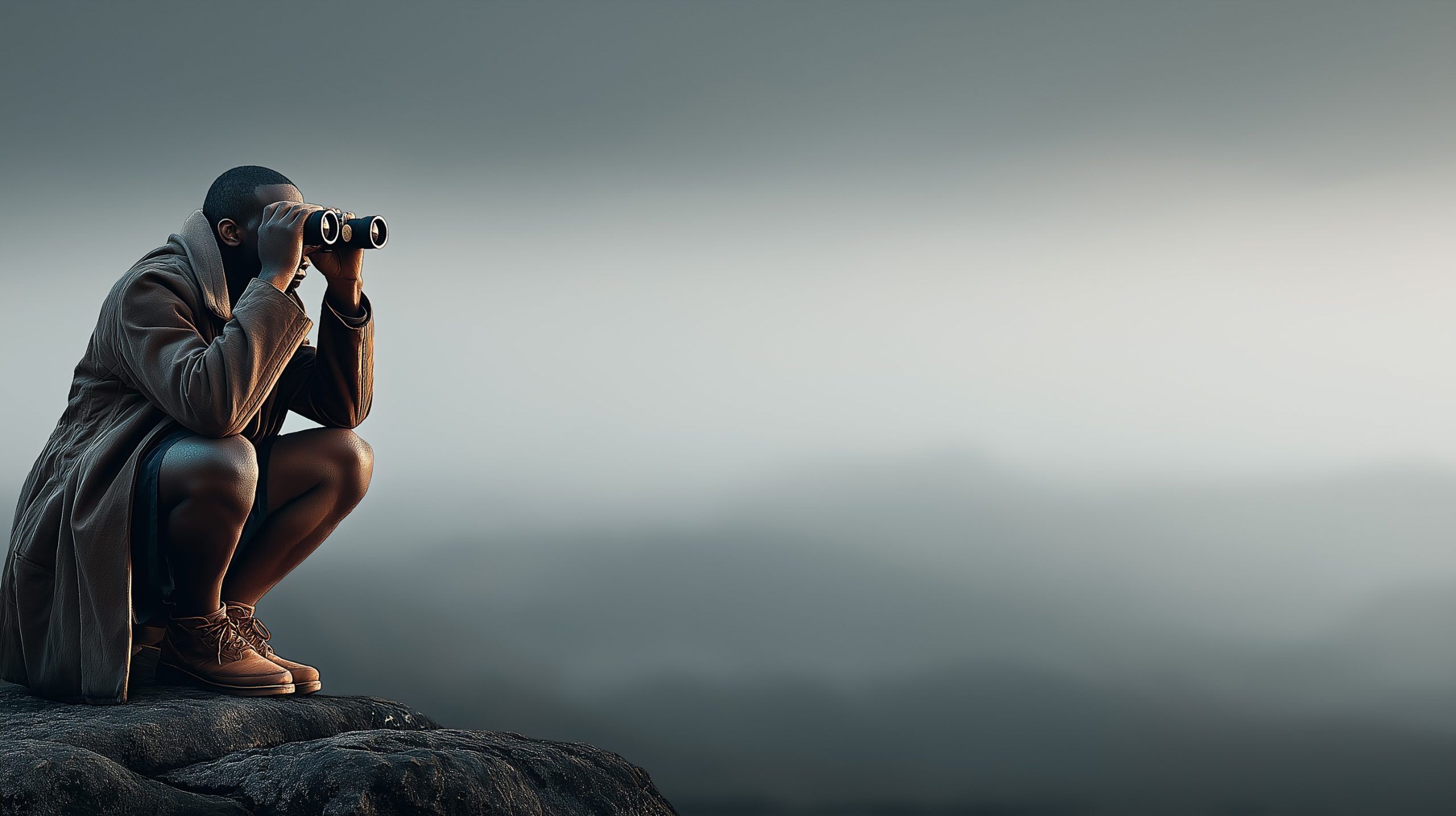
- Keep binoculars ready for spotting distant landmarks
Credit: ts2.tech
Using Binoculars Effectively
Adjust the stabilization settingsbased on your activity. Use higher stabilization when moving fast. Lower settings save battery when staying still. Test settings before hiking to find comfort.
Hold binoculars with both hands. Keep elbows close to your body. This helps reduce shake. Stand with feet shoulder-width apart for balance. Rest your arms on a surface if possible. Keep the binoculars close to your eyes for a clear view.
- Scan slowly to spot animals or landmarks.
- Focus on movement or shapes first.
- Use the stabilization feature to keep the image steady.
- Mark spots with landmarks for easy return.
- Be patient; wildlife often stays still for a moment.
Maintaining Your Binoculars
Cleaning and Storagehelp your binoculars stay clear and last longer. Use a soft cloth to wipe lenses gently. Avoid using paper or rough materials that can scratch. Store binoculars in a dry, cool place. Keep them in a protective case to avoid dust and damage.
Handling Repairs and Maintenanceis important. Do not try to open binoculars yourself. Take them to a professional if they need fixing. Regular care helps keep the image sharp and stable.
Regular Performance Checksensure your binoculars work well. Test them before every trip. Check for loose parts, clear lenses, and steady image stabilization. Small problems can get worse if ignored.

Credit: www.instagram.com
Tips For Trekking With Binoculars
Using image stabilized binoculars helps keep views steady on uneven paths. Hold the binoculars firmly but gently. Avoid sudden moves to reduce shaking. Look ahead to spot safe places for walking and stopping.
Adjust the focus slowly to get clear images. Bright sunlight may need lens covers or adjusting the angle. Use the binoculars for short periods to avoid eye strain. Carry a small cloth to clean lenses often.
Practice watching birds, animals, or distant objects. Notice small details like colors and shapes. Take notes or pictures to remember what you see. This helps improve your skills for future trips.
Common Mistakes To Avoid
Overusing stabilization featurescan drain batteries quickly. Use stabilization only when needed. Relying too much may make your hands lazy. Try to hold binoculars steady yourself first.
Ignoring weather conditions can cause damage. Rain, fog, or dust harm lenses and mechanics. Always check weather before hiking. Carry protective covers or cases to keep binoculars safe.
Neglecting maintenance reduces performance over time. Clean lenses gently with a soft cloth. Avoid using harsh chemicals. Store binoculars in a dry place to prevent mold and rust. Regular checks keep them working well.

Credit: www.instagram.com
Frequently Asked Questions
What Are Image Stabilized Binoculars?
Image stabilized binoculars use technology to reduce shake and vibrations. This creates clearer, steadier views. They are ideal for hiking and trekking on uneven terrain.
How Do Image Stabilized Binoculars Improve Hiking Experience?
They provide stable, sharp images even while moving. This reduces eye strain and helps spot distant objects easily. They enhance safety and enjoyment during hikes.
Can Beginners Use Image Stabilized Binoculars Easily?
Yes, they are user-friendly with simple controls. Beginners quickly adapt to the steady view feature. This makes them perfect for casual hikers and trekking enthusiasts.
Are Image Stabilized Binoculars Heavier Than Regular Ones?
They tend to be slightly heavier due to extra components. However, modern designs keep them lightweight and portable for outdoor use. Comfort remains a priority for long hikes.
Conclusion
Using image stabilized binoculars makes hiking more enjoyable and clear. They reduce shaking, helping you see distant views better. Carry them safely and adjust settings for comfort. Practice using them before your trip for best results. These binoculars help you spot wildlife and landscapes with ease.
Remember, steady vision adds to your outdoor adventure. Try them on your next hike and notice the difference. Simple tools, great experiences.