If you want to make every shot count on your next hunting trip, mastering image stabilization monoculars is key. These powerful tools help you see your target clearly, even when your hands shake or the terrain is rough.
But how do you get the most out of them? You’ll discover simple, practical tips to use your image stabilization monoculars like a pro. By the end, you’ll be ready to spot game faster and aim with greater confidence. Keep reading to unlock the full potential of your gear and improve your hunting success.
Choosing The Right Monocular
Monoculars come in different types, each with unique benefits. Standard monocularsare simple and lightweight. Image stabilization monocularshelp keep the view steady, especially during movement. They reduce shaking and make distant objects clearer.
Choosing the right monocular depends on key featureslike:
- Magnification power:Higher magnification shows more detail but can be harder to hold steady.
- Lens diameter:Bigger lenses gather more light for better views in low light.
- Image stabilization:Helps reduce blur caused by hand movement or wind.
- Weight and size:Lightweight and compact models are easier to carry during long hunts.
- Waterproof and fog-proof:Important for hunting in wet or cold environments.
Benefits Of Image Stabilization
Image stabilizationin monoculars helps keep the view steady. This leads to much clearer images. The shaking of hands or movement won’t blur the sight. You can see far objects with sharp focuseven while moving.
This technology also reduces eye strain. Your eyes do not have to work hard to follow a shaky image. Less strain means longer use without feeling tired. It is easier to spot animals or targets for hunting. Comfort and clarity work together for a better experience.
Setting Up Your Monocular
Start by holding the monocular steady. Look through the eyepiece and slowly turn the focus ring. Adjust until the image is sharp and clear. This helps you see your target better.
To calibrate image stabilization, turn on the device. Hold it steady and let it stabilize for a few seconds. Some models have a button to reset or fine-tune stabilization. Use it to reduce shaking.
- Keep your hand firm but relaxed.
- Adjust focus slowly, not quickly.
- Wait a moment after turning on stabilization.
- Press calibration button if available.
- Test the view before you start hunting.

Credit: www.youtube.com
Techniques For Effective Use
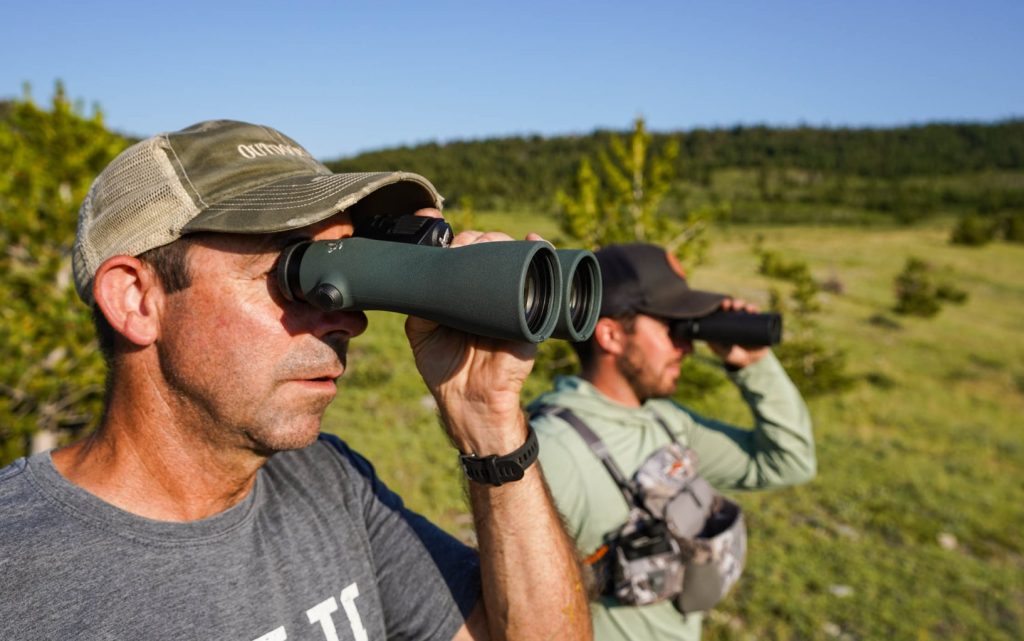
Hold the monocular steady using both hands. Rest your elbows against your chest or a stable surface. This reduces shaking and helps keep the image clear. Keep your body relaxed but firm. Avoid gripping too tightly, as this can cause jittery movements.
Tracking moving targets needs smooth, slow movements. Follow the target with your eyes first, then move the monocular gently. Avoid quick, jerky motions. Use your whole body to turn, not just your arms. This gives better control and less blur.
Maintenance And Care
Use a soft microfiber cloth to clean the lenses. Avoid using rough materials that can scratch the glass. Gently wipe in a circular motion to remove dirt and smudges. Use lens cleaning solution only if necessary, and apply it to the cloth, not directly on the lens.
Keep the lenses covered with caps when not in use. Store the monocular in a protective case to prevent dust buildup. Regular cleaning extends the life and clarity of the lenses.
- Remove batteries if the monocular won’t be used for a long time.
- Use fresh, high-quality batteries for better performance.
- Check battery contacts and clean if there is corrosion.
- Turn off the monocular after use to save battery power.
- Carry spare batteries during hunting trips to avoid interruptions.
Troubleshooting Common Issues
Image distortioncan happen due to dirty lenses or wrong focus. Clean lenses gently with a soft cloth. Adjust the focus knob slowly to get a clear view. Avoid using too much force on the focus wheel.
For stabilization malfunctions, check the battery first. Weak batteries cause the stabilizer to fail. Replace with fresh batteries if needed. Make sure the power switch is fully on.
- Keep the monocular steady to reduce shaking.
- Turn off the device and restart it if stabilization stops working.
- Store in a dry place to avoid moisture damage.
- Use a protective case during transport.
Tips For Successful Hunting
Optimizing visibilityis key to spotting targets clearly. Use image stabilization monoculars to reduce shaking and get steady views. Adjust the focus gently to sharpen the image. Keep the monocular close to your eye for the best view. Avoid bright light glare by using a sunshade or aiming away from the sun. Clean the lenses regularly to remove dust and smudges. Wear neutral colors to blend with surroundings and avoid startling animals. Stay still and move slowly to keep your view clear and steady.
Understanding terrainhelps predict animal movement and find good spots. Look for signs like footprints, droppings, or broken branches. Study the landscape to find paths animals use often. Use binoculars to scan hills, valleys, and water sources. Mark safe and hidden spots to stay out of sight. Know where to place yourself for a clear shot without being noticed. Practice using your monoculars on different terrains to get used to changes in light and distance.

Credit: gritroutdoors.com

Credit: www.youtube.com
Frequently Asked Questions
What Are Image Stabilization Monoculars?
Image stabilization monoculars reduce hand shake effects during viewing. They use advanced optics and gyroscopic technology. This provides clearer, steadier images, essential for hunting in unstable conditions.
How Do Image Stabilization Monoculars Improve Hunting Accuracy?
They minimize image blur from hand movements. This allows hunters to spot targets clearly at long distances. Improved clarity helps in precise aiming and tracking, enhancing hunting success.
Can Image Stabilization Monoculars Be Used In Low Light?
Yes, many models include features for low-light conditions. They enhance image brightness and contrast, making them effective at dawn or dusk. This helps hunters detect game during critical times.
Are Image Stabilization Monoculars Portable For Hunting Trips?
Most are compact and lightweight for easy carrying. Their ergonomic design fits comfortably in one hand. This portability makes them ideal for long hunting expeditions.
Conclusion
Using image stabilization monoculars makes hunting clearer and easier. They reduce hand shake and help you see distant animals better. Always hold the monocular steady and adjust the focus carefully. Practice often to improve your skills in different light and weather.
This tool helps you stay quiet and watch wildlife without disturbing them. Keep your monocular clean and ready for every trip. Small habits bring big results. Enjoy your hunting with sharper views and steady hands.