Are you ready to take your camping experience to the next level? Using hiking binoculars can open up a whole new world around your campsite.
Imagine spotting distant wildlife, scanning the horizon for beautiful views, or even navigating tricky trails with ease. But if you’re not sure how to get the most out of your binoculars, you might miss out on these incredible moments. This guide will show you exactly how to use hiking binoculars during your camping trips, so you can enjoy sharper sights and greater adventures every time you head outdoors.
Keep reading, and discover simple tips that will make your outdoor experience unforgettable.
Choosing The Right Binoculars
Lens qualityaffects how clear and bright images appear. Choose binoculars with good glass and coatingsfor sharper views. Large lenses gather more light, helping in low-light conditions like dawn or dusk.
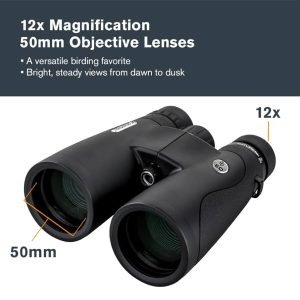
Magnification needsdepend on what you want to see. Lower magnification (around 8x) is easier to hold steady and gives a wider view. Higher magnification (10x or more) shows more detail but can shake more and may be harder to use.
Durability and weather resistanceare key for camping. Binoculars should be waterproof and fog-proofto handle rain and humidity. Rugged casing protects against drops and bumps on rough trails.

Credit: www.amazon.com
Essential Features For Hiking Binoculars
Choosing binoculars with a lightweight designmakes hiking easier. Heavy binoculars cause arm fatigue and slow you down. Compact size fits well in your backpack or pocket. Easy to carry on long trails without extra weight.
Waterproof and fog-proof features keep lenses clear in all weather. Rain or cold won’t blur your view. These features protect binoculars from water damage. Ideal for camping in damp or wet conditions.
| Feature | Benefit |
|---|---|
| Lightweight Design | Reduces arm strain and improves comfort during hikes |
| Compact Size | Easy to carry and store in small spaces |
| Waterproof and Fog-proof | Keeps lenses clear in rain and cold weather |
Setting Up Your Binoculars
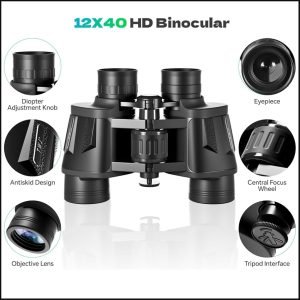
Adjusting eye reliefhelps you see clearly through binoculars. Slide the eyecups up or down for comfort. This is important for people who wear glasses.
Focusing techniquesinclude turning the central focus wheel slowly. Focus on a far object until the image is sharp. Use the diopter ring to fine-tune one eyepiece for clearer vision.
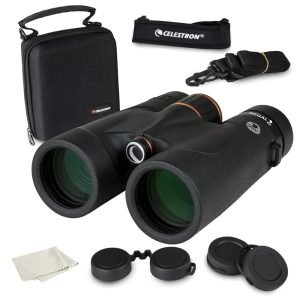
Using lens coverskeeps lenses clean and safe. Always cover lenses when not in use to avoid scratches. Carry a small cloth to wipe dirt or fog gently.
Optimizing Visibility In Different Environments
Low light conditionsneed binoculars with good light-gathering ability. Choose models with a wide objective lens to let in more light. Use a tripod or stabilize your hands to avoid blurry images. Brightness and contrast help spot animals or landmarks when the sun sets or rises.
In mountainous terrain, binoculars with good zoom and clear lenses are best. Look for ones with a wide field of view to scan large areas quickly. Weather resistance is important to handle wind, rain, or snow. Also, lightweight binoculars reduce strain during long hikes.
Dense forestsneed binoculars with close focus ability. This helps see birds or small animals hiding behind leaves. Compact and durable models work well in tight spaces. Using binoculars with anti-fog coating prevents lens fogging from humidity.
Maintaining Your Binoculars
Cleaning the lenses keeps your view clear and sharp. Use a soft cloth made for lenses. Avoid using paper towels or clothes that can scratch. Gently wipe in a circular motion. Use lens cleaner if the dirt is tough. Never spray cleaner directly on lenses.
Proper storage stops damage and dust buildup. Store binoculars in a protective case. Keep them in a dry place away from heat. Avoid leaving them in direct sunlight or damp areas. Always cover the lenses with caps when not in use.
Regular inspections help catch problems early. Check for loose parts or cracks. Make sure the focus wheel moves smoothly. Look for any dirt inside the lenses. Fix small issues before they get worse.

Credit: www.amazon.com
Safety Tips For Using Binoculars
Avoiding eye strainis key for safe binocular use. Take short breaks after a few minutes. Blink often to keep eyes moist. Adjust the focus to get a clear view. Keep binoculars at a comfortable distance from your eyes.
Handling with careprotects your gear and yourself. Always hold binoculars with both hands. Avoid dropping or banging them on hard surfaces. Store them in a padded case when not in use. Clean lenses gently with a soft cloth.
- Using neck strapsprevents accidental drops.
- Wear the strap around your neck or wrist.
- Check the strap for wear and tear before each use.
- Do not swing binoculars by the strap.
Advanced Techniques For Experienced Campers
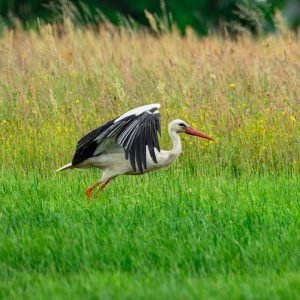
Spotting wildlifeis easier with binoculars. Use them to watch animals without disturbing them. Keep quiet and stay still. Scan slowly across the area. Look for movement or shapes that stand out. Binoculars help see far and small details clearly. Always respect animals and keep a safe distance.
Navigating trailsbecomes safer with binoculars. Use them to check the path ahead. Look for trail markers or signs on trees. Spot rivers, hills, or other landmarks from afar. This helps avoid wrong turns. Binoculars also help find good spots to rest or camp.
| Emergency Signals | How to Use Binoculars |
|---|---|
| Signal with Mirror | Reflect sunlight using binocular lenses to catch attention. |
| Spot Distant Help | Scan far areas for rescue teams, camps, or hikers. |
| Identify Hazards | Look for dangerous animals or obstacles nearby. |

Credit: www.tiktok.com
Frequently Asked Questions
What Are The Best Hiking Binoculars For Camping?
The best hiking binoculars for camping are lightweight, compact, and waterproof. Look for 8x to 10x magnification and a wide field of view. Durability and ease of use also matter for outdoor conditions.
How Do I Choose Binoculars For Hiking?
Choose binoculars with a good balance of magnification and lens size. Opt for lightweight, durable, and waterproof models. Comfort, grip, and ease of focusing are important for hiking.
Can I Use Hiking Binoculars For Wildlife Spotting?
Yes, hiking binoculars are excellent for wildlife spotting. They provide clear, close-up views of animals while maintaining a safe distance. Choose models with good optical clarity and image stabilization.
How Do I Care For My Hiking Binoculars?
Keep binoculars clean and dry after use. Store them in a protective case to avoid scratches. Avoid touching lenses with fingers and use a soft cloth for cleaning.
Conclusion
Using hiking binoculars can improve your camping experience a lot. They help you see wildlife and distant views clearly. Keep them clean and carry them safely for best use. Practice adjusting focus to get sharp images every time. Choose binoculars that are light and easy to carry.
Enjoy nature’s beauty while staying safe and aware. These simple steps make camping more fun and exciting. Give your eyes a closer look at the world around you. Camping with binoculars opens up new ways to explore.