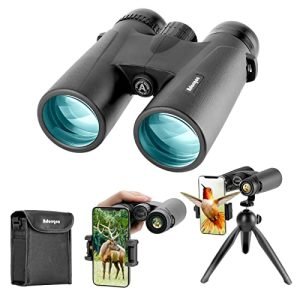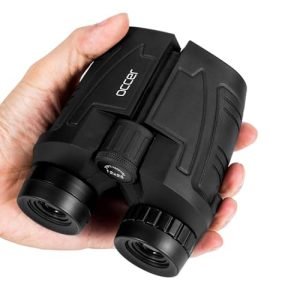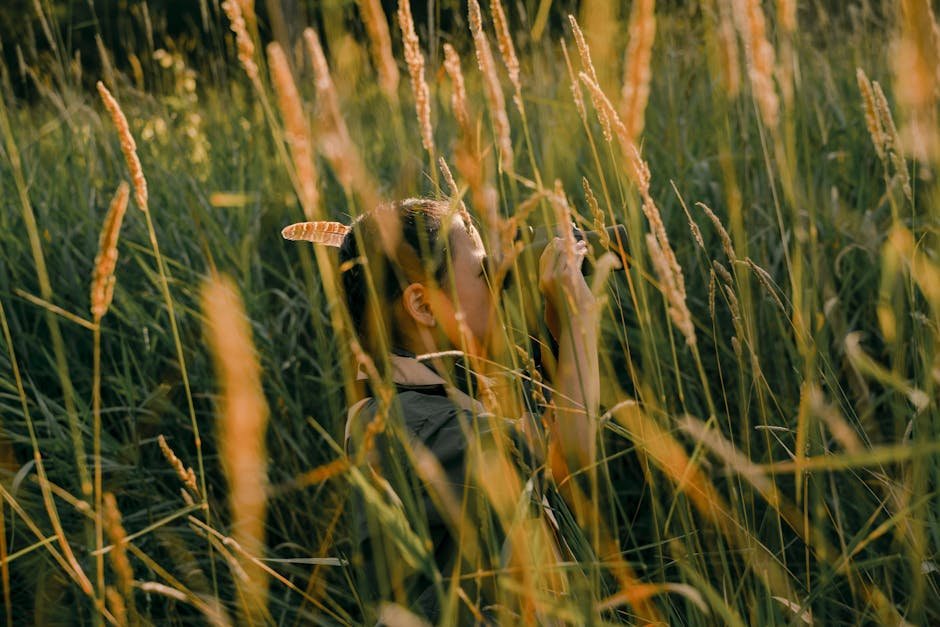
Are you ready to take your hiking experience to the next level? Using hiking binoculars can open up a whole new world of detail and discovery on the trail.
Imagine spotting a distant bird, a hidden waterfall, or a stunning mountain peak with crystal-clear clarity. But if you’re new to binoculars, it might feel tricky to know where to start. Don’t worry—this guide will show you exactly how to use hiking binoculars step-by-step.
By the end, you’ll be confident and ready to explore nature like never before. Keep reading, and get ready to see your hikes in a whole new light!
:max_bytes(150000):strip_icc()/tal-celestron-trailseeker-8x42-ed-binoculars-sarah-barber-3-9d50fbf0e9db4f25a94784195680e2ab.jpeg)
Credit: www.travelandleisure.com
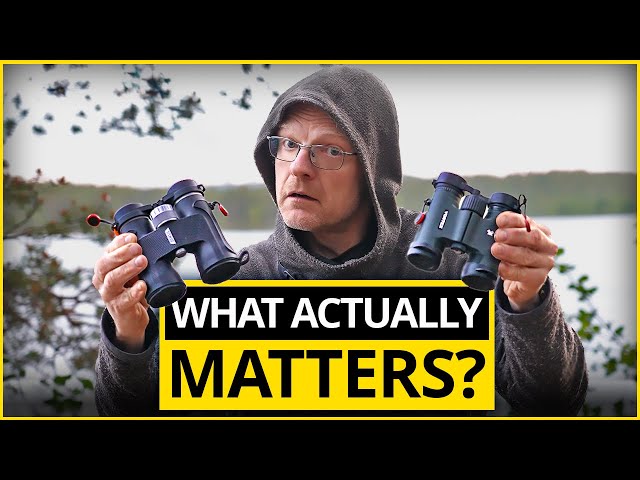
Choosing The Right Hiking Binoculars
Magnificationshows how close objects appear. Higher magnification means closer view but can be shaky. A 7x or 8x magnification is good for hiking. Lens sizecontrols light entry. Bigger lenses give clearer images but add weight. A lens size of 25-32mm is perfect for most hikers.
Weight matters for comfort. Light binoculars reduce arm tiredness. Small and compact models fit easily in backpacks. Portability helps during long hikes.
| Feature | What to Look For |
|---|---|
| Durability | Strong materials like rubber or metal to resist drops |
| Weather Resistance | Waterproof and fog-proof to handle rain and cold |
Credit: m.youtube.com
Basic Features Of Hiking Binoculars
Focus mechanismshelp you see objects clearly. There are two main types: center focusand individual focus. Center focus uses a wheel to adjust both lenses at once. Individual focus lets you adjust each lens separately, which is good for people with different eyesight in each eye.
Field of viewmeans how wide an area you can see through the binoculars. A wider field of view helps you spot animals or places faster. It is shown in feet or meters at 1000 yards or meters.
| Prism Type | Description | Pros | Cons |
|---|---|---|---|
| Roof Prism | Compact and straight barrels | Lightweight, easy to carry | Usually more expensive |
| Porro Prism | Wider and angled barrels | Better depth perception, cheaper | Bulky, less compact |
Preparing For Your Hiking Adventure
Adjust the binoculars so they fit your eyes comfortably. Move the two barrels closer or farther apart until you see one clear circle. Use the focus wheel to sharpen the view.
Attach the neck strap securely to your binoculars. Make sure the strap is strong and long enough to hang around your neck. This keeps your binoculars safe and easy to reach.
Protect your binoculars by storing them in a padded case. Keep the case in your backpack where it won’t get crushed. Clean the lenses with a soft cloth before packing.
Using Binoculars Effectively
Binoculars help you see wildlife clearly from far away. First, focus both eyepieces to get a sharp image. Keep the binoculars steady by holding them close to your face. Scan slowly across the area to spot animals or birds.
To follow moving animals, move your head, not just the binoculars. This keeps your view steady. Practice using the focus knob quickly to keep the image clear as the distance changes.
Light changes affect what you see. Use binoculars with larger lenses for low light, like dawn or dusk. Avoid using binoculars directly in bright sunlight to prevent glare. Find shaded spots for better viewing in bright conditions.
Maintenance And Care Tips
Cleaning your binocularsis important for clear views. Use a soft brush or air blower to remove dust. A microfiber cloth gently wipes the lenses. Avoid harsh chemicals; use lens cleaner made for optics only. Clean the lenses carefully to avoid scratches.
Storing binoculars safelyhelps protect them from damage. Keep them in a padded case when not in use. Store in a cool, dry place away from direct sunlight. Avoid leaving them in hot cars or damp areas. Secure the lens covers to prevent dust buildup.
| Common Issue | Cause | Solution |
|---|---|---|
| Blurry image | Dirty lenses or wrong focus | Clean lenses; adjust focus wheel |
| Double image | Misalignment inside binoculars | Consult a professional repair service |
| Fogging inside lenses | Moisture trapped inside | Keep binoculars dry; use silica gel packs |

Credit: www.amazon.com
Frequently Asked Questions
What Are The Best Binoculars For Beginner Hikers?
Beginner hikers should choose lightweight, durable binoculars with 8x to 10x magnification. Waterproof and fog-resistant models are ideal for outdoor use. Compact designs fit easily in backpacks, making them perfect for hiking trips.
How Do I Focus Hiking Binoculars Properly?
To focus hiking binoculars, first adjust the central focus wheel. Then, close one eye and use the diopter ring to fine-tune clarity. Open both eyes and make final adjustments for a sharp, clear image.
Can I Use Hiking Binoculars In Bad Weather?
Yes, waterproof and fog-proof hiking binoculars are designed for bad weather. They prevent moisture and fog from affecting visibility. Always check product specifications to ensure suitability for rain or humid conditions.
How Far Can Hiking Binoculars See Clearly?
Hiking binoculars typically provide clear views up to 1,000 meters or more. Magnification and lens quality affect clarity and distance. For beginners, 8x to 10x magnification offers a good balance of distance and stability.
Conclusion
Using hiking binoculars can enhance your outdoor experience greatly. Practice focusing and adjusting the lenses before your trip. Keep your binoculars steady for a clear view. Choose a comfortable strap to carry them easily. Remember to clean the lenses gently after use.
With patience and care, spotting wildlife and distant views becomes simple and fun. Enjoy nature’s beauty with confidence and clear sight. Start small, and your skills will improve quickly. Happy hiking!