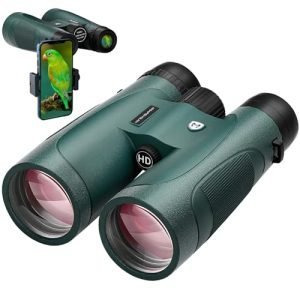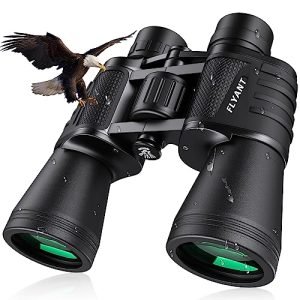
If you want to keep a close eye on your surroundings without being noticed, high-powered monoculars can be your best ally. But simply having one isn’t enough—you need to know how to use it effectively for surveillance.
You’ll discover practical tips and tricks that make your viewing sharper, your observations clearer, and your experience smoother. Ready to unlock the full potential of your monocular? Keep reading, because what you learn here could change the way you watch the world around you.
Choosing The Right Monocular
Choosing the right monocular depends on several key factors. Consider the magnification power. Higher magnification lets you see distant objects clearly but can be harder to hold steady. The lens sizeaffects how much light enters the device. Bigger lenses work better in low light. Weight and size matter for comfort during long use. A compact monocular is easier to carry but may offer less power.
Look for features like water resistanceand durability. These make the monocular reliable outdoors. Comfort is also important; adjustable eyecups help with clear views. Check if the focus mechanism is easy to use.
| Brand | Model | Magnification | Lens Diameter (mm) | Special Features |
|---|---|---|---|---|
| Vortex | Solo Monocular | 10x | 36 | Waterproof, Fogproof |
| Bushnell | Legend Ultra HD | 12x | 50 | HD Optics, Waterproof |
| Zeiss | Victory Monocular | 10x | 42 | High Contrast, Waterproof |

Credit: www.amazon.com
Essential Features For Surveillance
Magnification poweris key for clear, distant views. Choose a monocular with at least 8x to 12x magnification for effective surveillance. Too much power can make images shaky and hard to hold steady.
Lens qualityaffects how clear and bright the image appears. Look for lenses with good coatings to reduce glare and improve light transmission. This helps you see details even in low light.
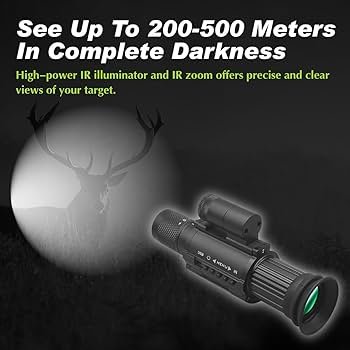
Night vision capabilitiesallow you to see in dark conditions. Some monoculars have built-in infrared or low-light sensors. This is useful for surveillance at night or in poorly lit areas.
Setting Up Your Monocular
Place the monocular on a stable tripodto keep it steady during use. Adjust the tripod height to a comfortable level for your eyes. Make sure all tripod legs are firmly locked to avoid shaking.
Use the focus ring to get a clear and sharp image. Turn it slowly until the object comes into view. The zoom feature lets you see objects closer or farther. Twist the zoom control gently to avoid blurring.
- Check the monocular is securely attached to the tripod mount.
- Start with the lowest zoom to find your target.
- Adjust focus after zooming for best clarity.
- Keep your hands steady when adjusting to prevent shaking.
Techniques For Effective Surveillance
Hold the monocular with both hands to keep it steady. Rest your elbows on a solid surface or press them against your body. This reduces shaking and helps you see clearly. Take slow, deep breaths to calm your body. This steadies your hands further.
Find a comfortable spot to stay still for a long time. Avoid standing on unstable ground or moving vehicles. Choose a place with a clear view and minimal noise. Position yourself behind cover or near objects to stay hidden. Adjust your body to reduce strain and keep watching longer.
Maintaining Your Monocular
Cleaning and Carehelp keep your monocular clear and working well. Use a soft cloth to wipe the lenses gently. Avoid touching lenses with fingers to prevent smudges. Store the monocular in a dry, cool place to stop mold and damage. Use a small brush or air blower to remove dust before cleaning lenses.
Troubleshooting Common Issuescan save time and frustration. If the image looks blurry, adjust the focus knob slowly. Check for dirt or moisture on lenses if the view is hazy. Tighten loose parts to avoid shaky views. If the monocular fogs up, let it dry fully before use again.

Credit: www.amazon.com
Legal And Ethical Considerations
Privacy lawsprotect individuals from being watched without permission. Using high-powered monoculars in public areas may be legal, but spying on private property is not. Always check local laws before using surveillance tools. Respecting privacy keeps surveillance ethical and legal.
Ethical surveillance practicesmean using monoculars responsibly. Avoid spying on people’s private moments or places. Only watch in public areas or with clear consent. Use the equipment for safety and security, not to invade privacy. Respect helps build trust and avoids legal trouble.

Credit: www.amazon.com
Frequently Asked Questions
What Are High-powered Monoculars Used For Surveillance?
High-powered monoculars help observe distant objects clearly. They are ideal for security, wildlife monitoring, and tactical surveillance. Their magnification and clarity improve detail recognition from afar, making them essential for discreet observation.
How Do I Choose The Right Monocular Magnification?
Choose magnification based on distance and detail needs. Higher magnification reveals more detail but may reduce stability. For surveillance, 8x to 12x is common, balancing clarity and ease of use.
Can Monoculars Work In Low Light Or Darkness?
Yes, many high-powered monoculars feature night vision or low-light enhancement. These technologies amplify available light, allowing effective surveillance in dim conditions without alerting targets.
How Should I Stabilize A Monocular For Clear Viewing?
Use a tripod or rest your arm on a stable surface. Holding the monocular steady reduces image shake, improving clarity during extended surveillance sessions.
Conclusion
Using high-powered monoculars helps you see far with clear detail. Hold the monocular steady to avoid blurry images. Practice scanning areas slowly to catch important movements. Adjust the focus often for the sharpest view. Remember to stay patient and calm during surveillance.
These tips improve your observation skills every time. Stay safe and respect privacy while watching from a distance. Keep your equipment ready and maintain it well. Small steps lead to better results in surveillance work.