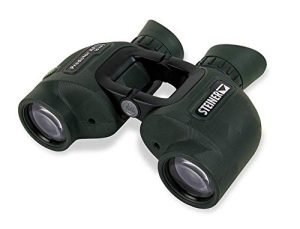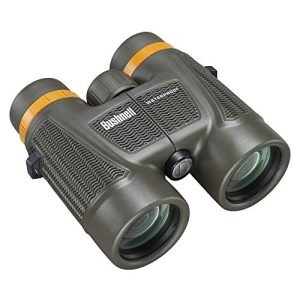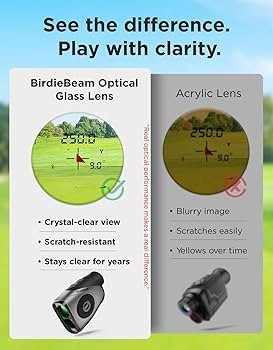
Have you ever struggled to see the golf course clearly as the sun starts to set? Using golf binoculars in low light can make all the difference, helping you track the ball and read the greens with ease.
But not all binoculars work well when the light fades, and knowing how to use them properly can improve your game instantly. You’ll discover simple tips and tricks to get the most out of your golf binoculars when lighting isn’t ideal.
Keep reading to make sure you never miss a shot, no matter the time of day.
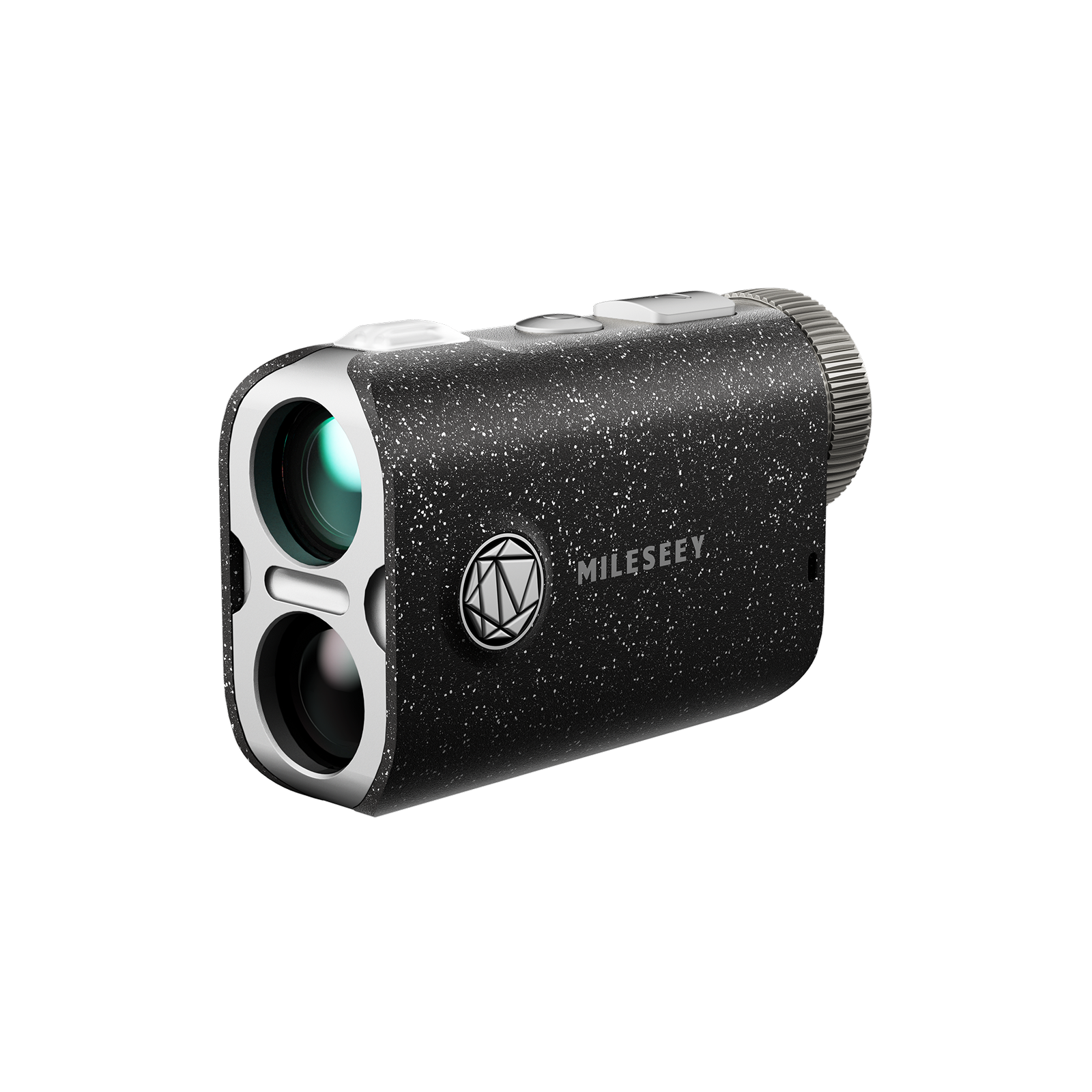
Credit: mileseeygolf.com
Choosing The Right Binoculars
Lens qualitymatters most for clear images in low light. Bigger lenses let in more light. This means brighter and sharper views during dusk or dawn. Look for lenses with good coatingsto reduce glare and improve light transmission.
Magnificationshould balance zoom and brightness. Higher magnification can make images darker. Common choices are 7x to 10x. The objective lens diameter, like 42mm or 50mm, helps gather light for better visibility.
Waterproof and fogproofbinoculars protect against moisture and weather changes. These features keep lenses clear during rain or cold mornings. They make binoculars more durable for outdoor use.
| Feature | Benefit |
|---|---|
| Lens Quality | Brighter, clearer images in low light |
| Magnification | Good zoom without losing brightness |
| Objective Lens Diameter | More light for better visibility |
| Waterproof & Fogproof | Clear views in wet or cold weather |

Credit: gogogosport.com
Understanding Low Light Conditions
Dusk and dawncreate soft, fading light. Golf binoculars may struggle to focus clearly. Shadows grow longer, which can blur details. The light changes fast, making it tricky to keep sight on the ball or players.
Weather conditionslike fog, rain, or heavy clouds lower visibility. Moisture on lenses can blur the view. Wind can shake your hands, causing unstable images. Cold air can make lenses fog up quickly.
- Low light reduces contrast and sharpness.
- Cloudy or foggy weather makes distant objects hard to see.
- Bright spots or reflections can distract your view.
- Steady hands help keep the image clear.
Optimizing Binocular Performance
Adjust the focus ringslowly until the image is sharp. Use the diopter adjustmentto match your eyes. This helps to see clear details in low lightconditions. Small changes can make a big difference.
Using a tripodkeeps the binoculars steady. It stops shaking, which makes viewing easier. A tripod is very useful during twilightor in dim light. It also reduces eye strain by holding the binoculars still.
Enhancing Visibility
Binoculars with night visionhelp see better in dark conditions. They use special technology to amplify light. This makes objects clearer and closer. These binoculars often have an infrared light source. It helps to see things that are far away at night.
Coated lensesimprove light transmission and reduce glare. They make images brighter and sharper. Many binoculars have multi-coated lenses for best results. This coating helps in low light by letting more light inside. It also protects lenses from scratches and dust.
- Night vision binoculars use infrared light to see in the dark.
- Coated lenses improve brightness and reduce reflections.
- Multi-coated lenses provide clearer and sharper images.
- Both features help golfers see distant objects in low light.
Practical Usage Tips
Keep binocular lenses cleanfor clear views in low light. Use a soft cloth to wipe dust and smudges gently. Avoid touching lenses with fingers to prevent oil marks. Store binoculars in a dry place to stop fogging and damage.
Adjust focus slowlyto catch clear images in dim conditions. Use the center focus wheel carefully to avoid blurry views. Check the eyepiece settings to match your eyesight.
- Scan slowly and steadily across the area.
- Move binoculars side to side smoothly.
- Pause briefly on interesting spots.
- Use wide field of view to see more.
- Stay as still as possible while scanning.
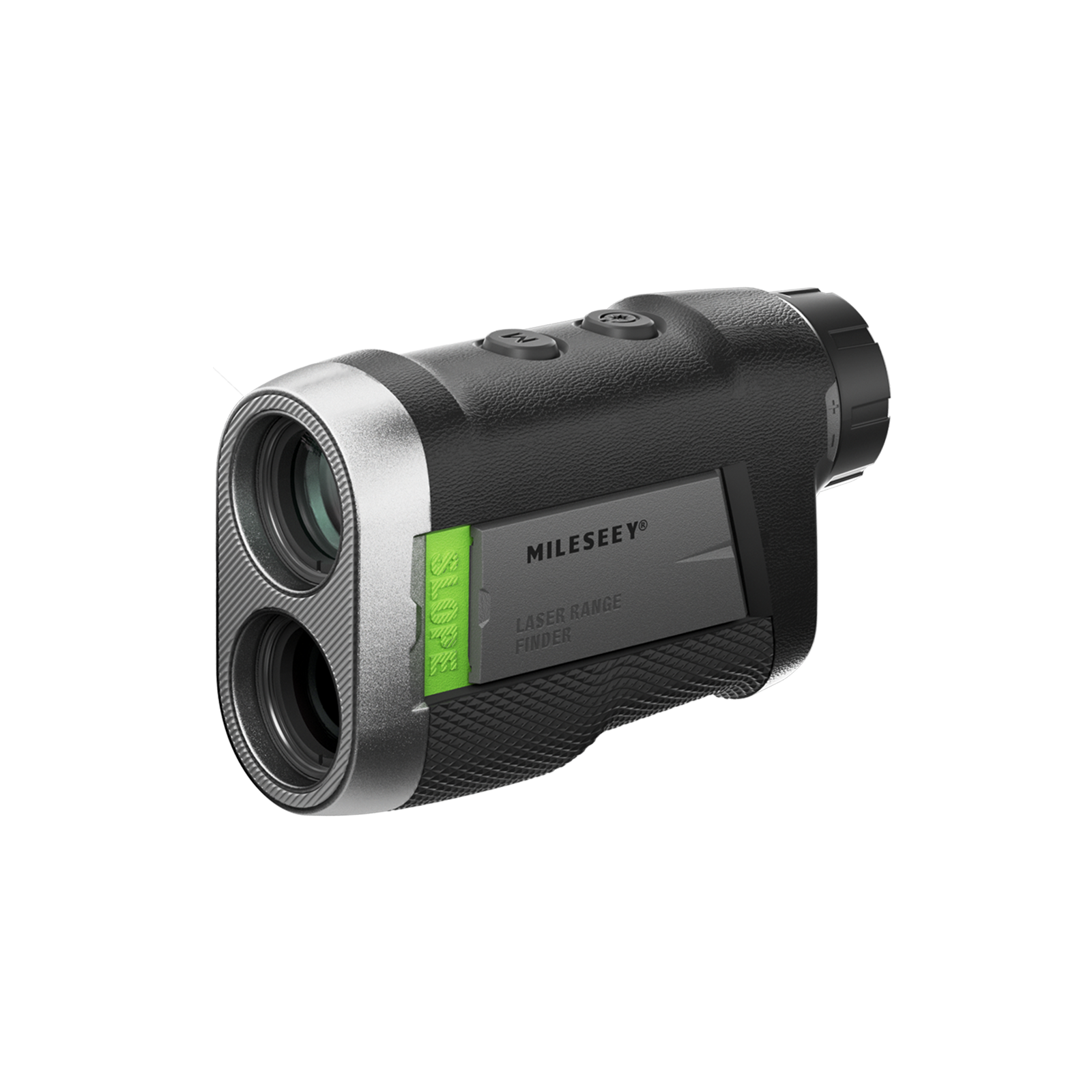
Credit: mileseeygolf.com
Frequently Asked Questions
How Do Golf Binoculars Perform In Low Light?
Golf binoculars with larger objective lenses capture more light. This improves visibility during dawn, dusk, or cloudy conditions. Look for models with 42mm or larger lenses for better low-light performance.
What Features Improve Golf Binoculars For Low Light Use?
Features like multi-coated lenses, wide apertures, and high-quality prisms boost light transmission. These enhance image brightness and clarity in dim conditions. Choose binoculars with these features for optimal low-light golf viewing.
Can I Use Night Vision Golf Binoculars On The Course?
Night vision binoculars work in very low light but are not common for golf. They may be bulky and expensive. Standard golf binoculars with good light-gathering ability are usually sufficient for early morning or late evening play.
How To Adjust Golf Binoculars For Low Light Conditions?
Adjust the focus slowly to get a sharp image. Use the diopter to fine-tune clarity. Keep lenses clean and use a tripod if needed to reduce hand shake in dim light.
Conclusion
Using golf binoculars in low light helps you see the course clearly. Choose models with good lenses and wide apertures. Hold the binoculars steady to avoid blurry views. Adjust the focus slowly for sharp images. Using these tips improves your golf experience after dark.
Enjoy every moment on the course, no matter the light. Practice often to get comfortable with your binoculars. Clear vision leads to better shots and more fun. Stay patient and keep your eyes on the game.