Have you ever found yourself lost or unsure which way to go while exploring the outdoors? Knowing how to use compass binoculars in the field can be a game-changer for your adventures.
These handy tools combine navigation and observation, helping you stay on course while spotting landmarks or wildlife with ease. In this guide, you’ll learn simple, step-by-step tips that make using compass binoculars second nature. Keep reading to gain confidence and make every outdoor trip safer and more exciting.
Choosing The Right Compass Binoculars
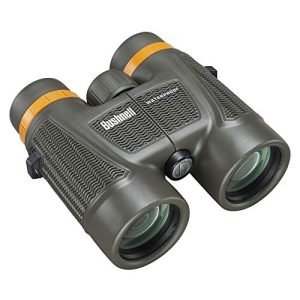
Using compass binoculars in the field helps with navigation and spotting distant objects. Picking the right pair is important for clear viewing and accurate direction.
This guide covers key features, types, and durability to help you choose the best compass binoculars.
Key Features To Look For
Focus on features that improve use and comfort. Look for good optics, a clear compass, and ease of handling.
- Magnification power suited to your needs
- Clear, easy-to-read compass integrated into the binoculars
- Wide field of view for better scanning
- Adjustable focus for sharp images
- Comfortable grip and eye relief for long use
Types And Designs
Compass binoculars come in different styles. Choose one that matches your activity and comfort preferences.
| Type | Design | Best For |
| Porro Prism | Offset eyepieces | Better depth perception |
| Roof Prism | Straight barrel design | Compact and lightweight |
| Compact | Small and easy to carry | Hiking and casual use |
| Full Size | Larger lenses | Low light and detailed viewing |
Durability And Weather Resistance
Field use means exposure to rough conditions. Choose binoculars that can handle rain, dust, and drops.
- Waterproof seals to keep moisture out
- Fog proof with nitrogen or argon gas filling
- Shock-resistant body to survive falls
- Rubber coating for grip and protection

Credit: www.amazon.com
Setting Up Your Compass Binoculars
Using compass binoculars in the field helps you find directions and see distant objects clearly. Proper setup ensures accurate readings and sharp views.
This guide explains how to calibrate the compass, adjust the focus, and align the reticle for the best performance.
Calibrating The Compass
Start by holding the binoculars level and away from metal objects or electronics. Rotate slowly until the compass needle stops moving and points north.
- Hold binoculars steady and flat.
- Turn the binoculars horizontally until the needle settles.
- Check the compass dial to read the direction.
Adjusting The Focus
To see objects clearly, adjust the focus for each eye. Use the central focusing wheel and the diopter ring for fine tuning.
- Look through the right eyepiece and turn the diopter ring until the image is sharp.
- Use the central wheel to focus both eyes on your target.
- Repeat adjustments if the image is blurry or unclear.
Aligning The Reticle
The reticle helps measure angles and distances. Align it carefully to ensure precise readings.
| Step | Action |
| 1 | Place binoculars on a stable surface. |
| 2 | Look at a distant, straight line or horizon. |
| 3 | Adjust the reticle so it lines up exactly with the line. |
| 4 | Lock the reticle position if your model allows. |
Basic Techniques For Field Use
Using compass binoculars in the field helps with navigation and spotting landmarks. You need to hold them right and read the compass carefully.
This guide explains easy steps to use compass binoculars correctly in outdoor settings.
Holding The Binoculars Correctly
Hold the binoculars steady to get a clear view. Use both hands for support and keep your elbows close to your body.
- Grip each side firmly but gently.
- Keep your arms relaxed to reduce shaking.
- Rest your elbows on a stable surface if possible.
- Adjust the focus before checking the compass.
Reading The Compass While Viewing
Look through the binoculars and locate the compass display. Keep your head still to avoid errors.
The compass needle points to magnetic north. Align the compass ring to read the bearing you need.
| Action | Tip |
| Hold binoculars level | Prevents compass tilt errors |
| Keep compass visible | Check bearing without moving |
| Read bearing at eye level | Improves accuracy |
| Note magnetic declination | Adjust for true north |
Taking Accurate Bearings
Stand still and point the binoculars at your target. Make sure the compass ring is set correctly before reading.
- Find a clear landmark through the binoculars.
- Turn the compass ring until the needle aligns with north.
- Read the bearing number at the index mark.
- Write down or remember the bearing.
- Double-check by repeating the process.
Credit: uscameloptics.com
Advanced Navigation Tips
Using compass binoculars in the field helps you find your way more easily. These tools combine sight and direction to improve navigation.
Learning to use landmarks, maps, and estimating distances will make your travels safer and more accurate.
Using Landmarks For Orientation
Look for clear landmarks like mountains, tall trees, or buildings through your binoculars. These help you confirm your location and direction.
Check the compass inside your binoculars to see the bearing of each landmark. This way, you can align your path to a known point.
Combining Map And Compass Binoculars
Use your map alongside the compass binoculars to plot your route. Match visible landmarks through the binoculars with map symbols.
- Hold the map flat and steady.
- Look through the binoculars to spot landmarks.
- Note the compass direction of each landmark.
- Find the same landmarks on the map.
- Adjust your route based on this matching.
Estimating Distance And Direction
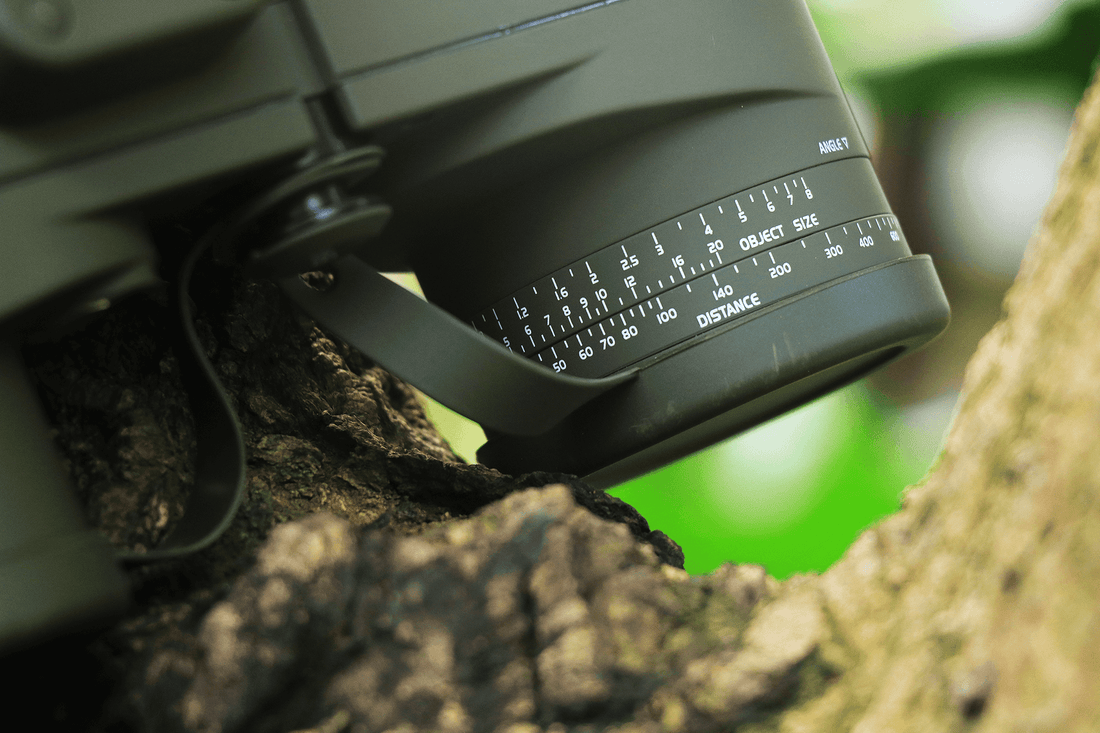
Estimating distance helps you judge how far landmarks are. Use the scale on your binoculars or known object sizes for this.
| Method | Description | Use |
| Known Object Size | Compare a familiar object’s size in view | Estimate how far it is |
| Binocular Scale | Use marks inside binoculars to measure angles | Calculate distance with formulas |
| Compass Direction | Read compass bearing for direction | Stay on course |
Common Challenges And Solutions
Using compass binoculars in the field can be tricky. Many users face challenges that affect accuracy and usability.
Knowing these common problems helps you get better results. Here are some challenges and how to solve them.
Dealing With Magnetic Interference
Magnetic interference can cause compass errors. Metal objects and electronics nearby affect the compass needle.
Keep the binoculars away from phones, watches, and metal gear. Check the compass reading in an open area.
- Remove metal objects from pockets
- Hold binoculars away from electronics
- Calibrate compass regularly
- Test compass in a known direction
Using Binoculars In Low Light
Low light makes it hard to see through binoculars. It also affects the compass visibility.
Use binoculars with good light-gathering lenses. Adjust the focus slowly to get a clear view.
- Use larger objective lenses for more light
- Keep lenses clean and free of smudges
- Use a red light to read the compass at night
- Avoid bright light sources behind you
Maintaining Accuracy On The Move
Moving while using compass binoculars can cause errors. Shaking hands and quick turns confuse the compass.
Hold the binoculars steady and stop briefly to check readings. Use a tripod or rest your elbows for support.
- Stand still when taking compass readings
- Hold binoculars level and steady
- Use both hands to reduce shaking
- Take multiple readings for accuracy
Care And Maintenance
Taking care of your compass binoculars helps them last longer. Proper maintenance keeps them working well outdoors.
Simple steps like cleaning and storing can protect your equipment. Regular checks ensure they stay accurate and clear.
Cleaning The Lenses
Dirty lenses reduce the view quality and can scratch easily. Use a soft cloth to clean the lenses gently.
Avoid using rough materials or household cleaners. Use a lens brush or air blower to remove dust first.
- Blow off dust with a lens blower
- Use a soft microfiber cloth to wipe lenses
- Apply lens cleaner only made for optics
- Wipe gently in circular motions
Storing Safely
Store binoculars in a dry, cool place away from sunlight. Keep them in a protective case to avoid damage.
Remove batteries if you will not use the device for a long time. This prevents corrosion and battery leaks.
- Use a padded case for storage
- Keep binoculars away from heat and moisture
- Remove batteries for long storage
- Store with lens caps on to protect lenses
Regular Calibration Checks
Calibration keeps the compass accurate and reliable. Check calibration before trips and after rough handling.
If you notice incorrect readings, recalibrate following the user manual instructions. Proper calibration ensures safety in the field.
- Check calibration regularly
- Recalibrate if readings seem off
- Follow manufacturer instructions carefully
- Perform calibration in an open area free from metal objects

Credit: www.ebay.com
Frequently Asked Questions
How Do I Calibrate A Compass Binocular Correctly?
To calibrate, hold the binocular level and away from metal objects. Rotate the compass until the needle aligns with north. This ensures accurate readings in the field, improving navigation and orientation during your outdoor activities.
Can Compass Binoculars Work In Low Light Conditions?
Yes, most compass binoculars have illuminated dials or lenses. These features allow you to read directions clearly at dusk or dawn. Check your model’s specifications for night-use capabilities before relying on it in low light.
What Are The Best Practices For Using Compass Binoculars?
Hold the binocular steady and level for precise compass readings. Avoid magnetic interference from metal or electronics. Use the binoculars to scan distant landmarks while confirming your direction with the compass.
How Do Compass Binoculars Help In Outdoor Navigation?
They combine magnification with directional guidance, letting you spot landmarks and determine your heading. This dual function saves time and enhances safety during hikes, hunting, or camping trips by keeping you oriented.
Conclusion
Using compass binoculars in the field helps you find directions clearly. Always hold them steady for the best view. Practice reading the compass and spotting landmarks nearby. Keep the binoculars clean and safe while exploring. These tools make outdoor navigation easier and more fun.
Remember, simple steps lead to confident travel. Try using compass binoculars on your next adventure. You will enjoy exploring with better focus and direction.