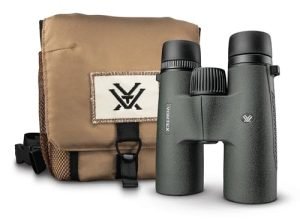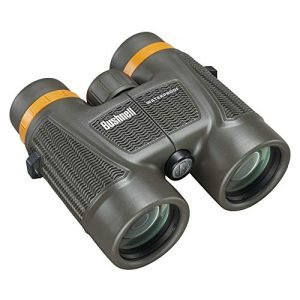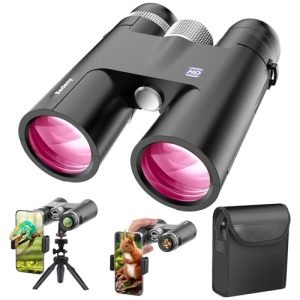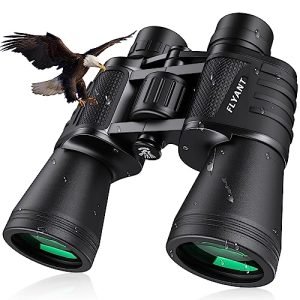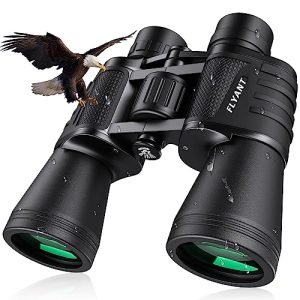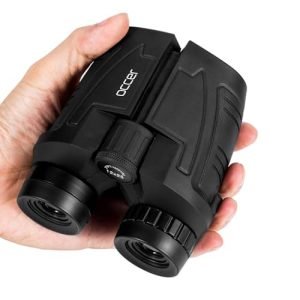
Are you ready to see wildlife like never before? Using camping binoculars can transform your outdoor experience, bringing distant animals right into your view.
But are you sure you’re using them the right way to get the clearest, closest look? You’ll discover simple tips and tricks to make your binoculars work for you. Whether you’re a beginner or want to improve your skills, these easy steps will help you spot birds, deer, and other creatures with sharp detail.
Keep reading and turn your next camping trip into an unforgettable wildlife adventure!
Choosing The Right Binoculars
Choosing binoculars with the right magnification and lens size helps spot wildlife clearly. Hold them steady and adjust the focus for sharp, close views during camping trips.
Magnification And Lens Size
Binoculars have numbers like 8×42. The first number is magnification. It means how close you can see things. The second number is lens size. Bigger lenses let in more light. You can see better when it’s dark. Choose 8×42for balanced viewing. It’s good for most wildlife watching.
Weight And Portability
Heavy binoculars can be tiring. Lightweight ones are easy to carry. Check the weight before buying. You might walk a lot while camping. Pick binoculars that fit in your backpack. Compact designs are great for travel. They don’t take up much space.
Weather Resistance
Camping can be wet and windy. Weather-resistantbinoculars are important. They protect from rain and dust. Look for waterproof models. They have special seals to keep water out. Fog-proof is also good. It stops lenses from clouding up. These features help in different weather conditions.
Credit: www.crazysales.com.au
Preparing For Wildlife Viewing
Choosing the right spot matters a lot for great wildlife viewing. Find places where animals visit often, like near water or food sources. Quiet areas help you avoid scaring animals away. Look for spots with good views and some cover for you.
Animals are active at certain times. Early mornings and late afternoons are best. These times have soft light and cooler temperatures. Plan your sessions around these hours for more sightings.
Wear clothes that match the environment. Earth tones like green, brown, and tan help you blend in. Dress in layers to stay warm or cool as needed. Comfortable shoes make walking easier in rough terrain.
Setting Up Your Binoculars
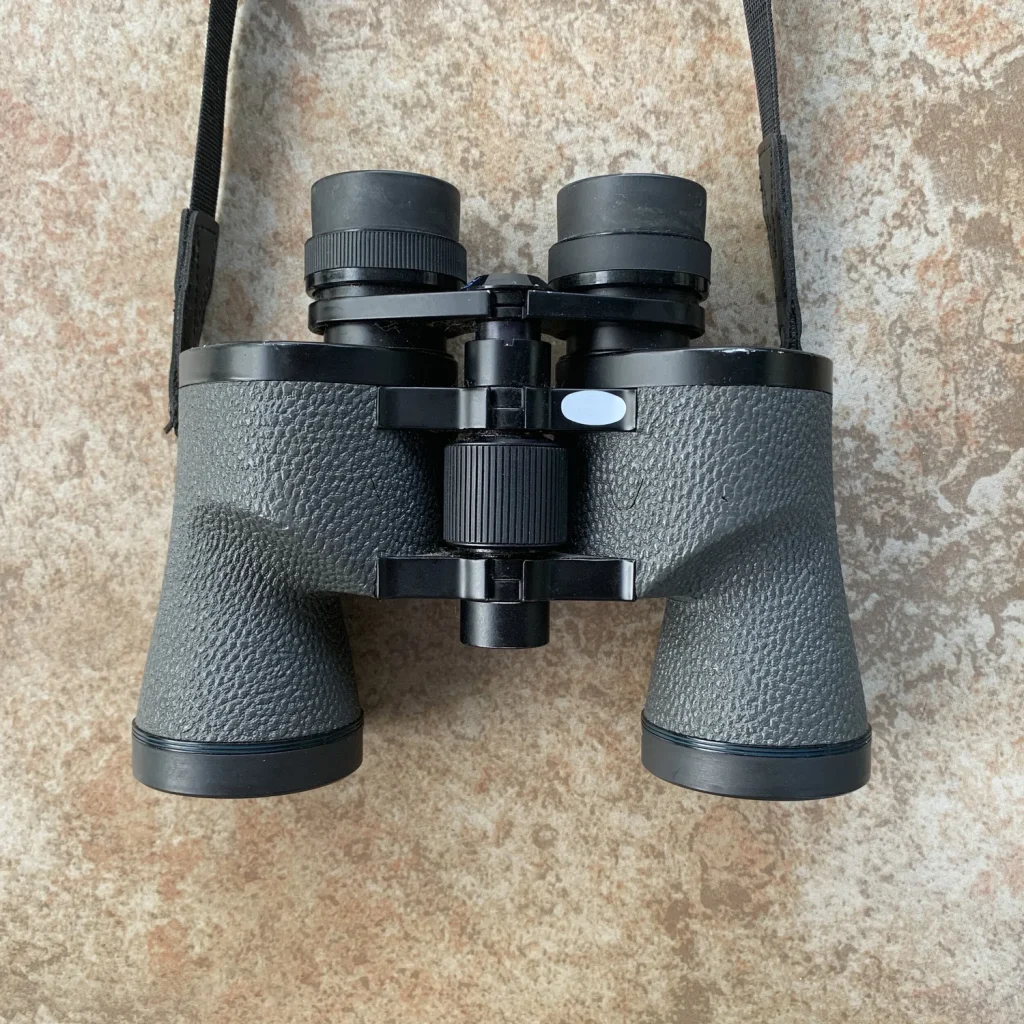
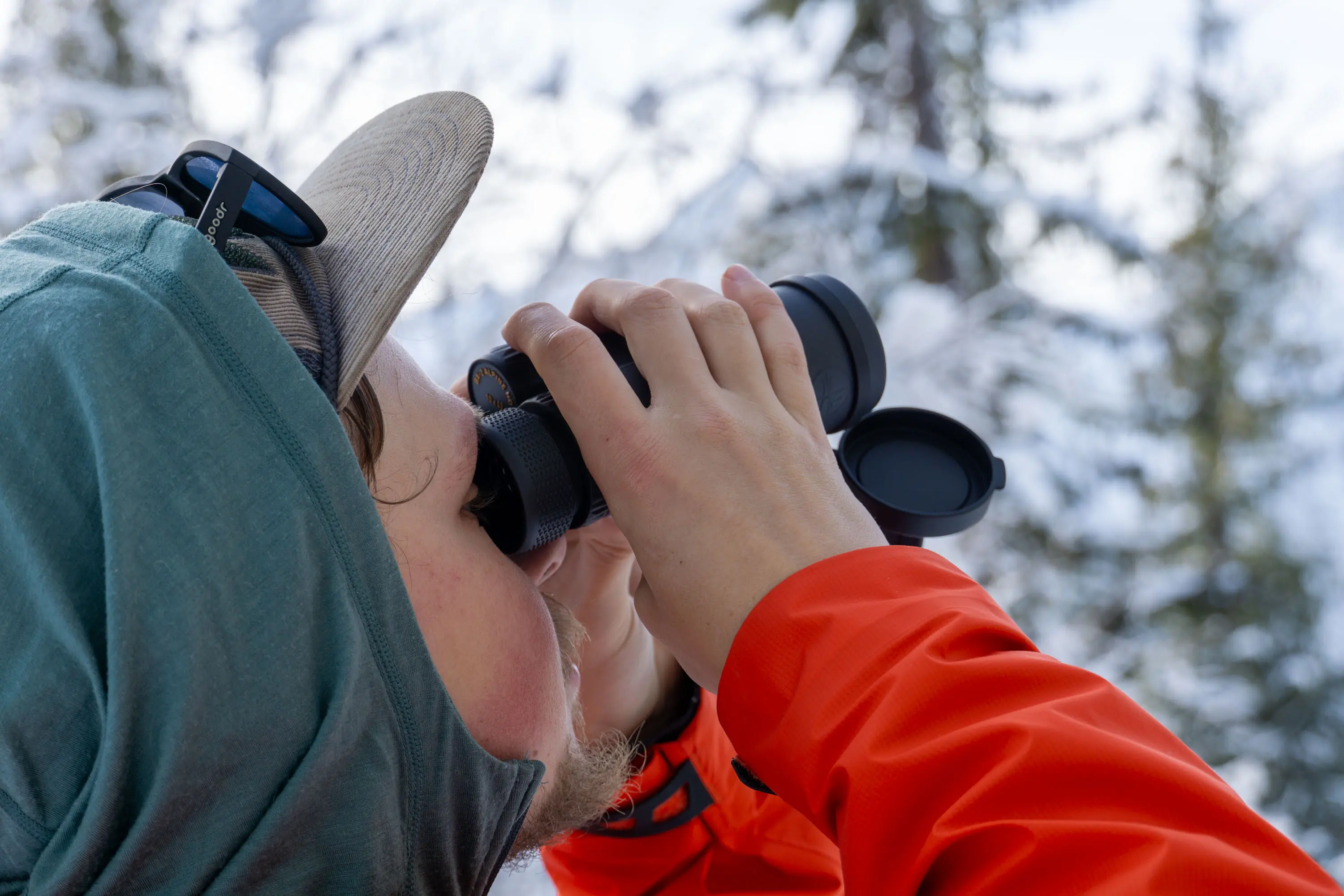
Adjust the focus by turning the central wheel slowly. Stop once the image looks clear and sharp. Focus on an object at a distance to make this easier.
Eyecups protect your eyes and help with comfort. Twist or fold them depending on whether you wear glasses or not. Eyeglass wearers should fold the eyecups down.
Interpupillary distance means the space between your eyes. Hold the binoculars up and gently move the barrels closer or farther apart. This makes the two images merge into one clear view.
Credit: gearjunkie.com
Techniques For Clear Viewing
Hold binoculars with both hands to keep them steady. Rest your elbows on a firm surface. This reduces shaking and helps you see better.
Tripods or monopods give extra support for long viewing sessions. Attach binoculars to a tripod to keep them still. This is useful for watching distant animals.
- Slowly scan the area side to side.
- Pause briefly when you spot movement.
- Use the binoculars’ focus wheel to sharpen the image.
- Look for animals in open spaces or near water.
Maintaining Your Binoculars
Clean the lenses gently using a soft cloth or lens brush. Avoid using paper towels or rough fabrics as they can scratch the glass. Use lens cleaning solution made for optics. Never spray liquid directly on the lenses; instead, apply it to the cloth first. This keeps moisture from entering the binoculars.
Store binoculars in a dry, cool place inside their case. Avoid leaving them in direct sunlight or damp areas. Use silica gel packs in the case to reduce moisture. Keep the lens caps on to protect from dust and scratches.
Check binoculars regularly for loose screws, cracks, or mold. Test the focus and alignment by looking at a distant object. Tighten any loose parts carefully with a small screwdriver. If damage is found, have a professional repair the binoculars to keep them working well.
Safety And Ethical Tips
Keep a safe distancefrom animals to avoid scaring them. Use binoculars to see details without getting too close. This respects their space and keeps you safe.
Move quietlyand avoid sudden actions. Loud noises can disturb wildlife and change their behavior. Stay calm and still to watch animals naturally.
Follow all local rules and laws about wildlife watching. Some areas have limits on where you can go or how close you can get. Respect these rules to protect animals and their homes.

Credit: www.amazon.com
Frequently Asked Questions
How Do I Choose The Right Camping Binoculars?
Choose binoculars with 8x to 10x magnification for clear wildlife viewing. Look for waterproof and fog-proof models for durability. Compact and lightweight designs are best for carrying during camping trips.
What Are The Best Settings For Wildlife Viewing?
Set the focus to a sharp, clear image before spotting animals. Use a wide field of view to track moving wildlife easily. Adjust the diopter to match your eyesight for optimal clarity.
How Can I Maintain Binoculars During Camping?
Keep lenses clean by gently wiping with a microfiber cloth. Store binoculars in a protective case to avoid damage. Avoid touching lenses with fingers to prevent smudges and scratches.
What Safety Tips Should I Follow While Using Binoculars?
Never look directly at the sun through binoculars to avoid eye injury. Be aware of your surroundings to avoid tripping or falling. Use a neck strap to prevent accidental drops during hikes.
Conclusion
Using camping binoculars helps you see wildlife up close and clear. Always hold them steady for the best view. Adjust the focus to make animals sharp and easy to spot. Choose a quiet place to avoid scaring animals away. Practice often to improve your skills and enjoy nature more.
Remember, patience makes wildlife viewing more rewarding. Take your time and enjoy the beauty around you. Camping binoculars bring the wild world closer to you. Keep exploring and discovering new animals every trip.