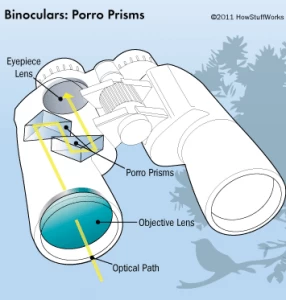
Are you ready to discover the amazing world of birdwatching but don’t know where to start with your binoculars? Using birding binoculars might seem tricky at first, but with a few simple tips, you’ll be spotting colorful birds like a pro in no time.
Imagine seeing every feather detail and hearing the soft calls of birds clearly—your binoculars can make that happen. Keep reading, and you’ll learn exactly how to use your birding binoculars the right way, making each birdwatching trip more exciting and rewarding.
Choosing The Right Binoculars
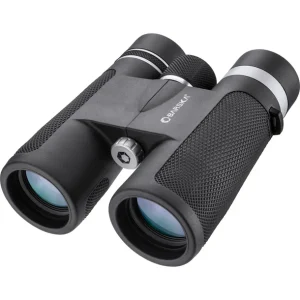
Magnification helps you see birds up close. Beginners should choose 8x or 10x magnification. Larger lenses gather more light. 42mm lenses are great for clear views. Smaller lenses are lighter but less bright.
A wide field of view makes finding birds easier. Look for binoculars with a large field of view. This helps track birds in flight. Narrow fields are harder to use.
Heavy binoculars can tire your arms. Lightweight models are easier to hold for long periods. Comfortable grips make them pleasant to use. Try them before buying.
Price can vary a lot. Set a budget that fits you. Quality options exist at every price level. Affordable binoculars can be great for beginners. Don’t spend more than you need.

Credit: www.cbc.ca
Essential Features To Look For
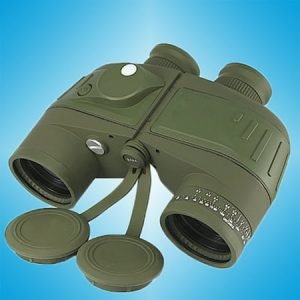
Waterproof and fogproof binocularsare important for birding outdoors. They keep lenses clear in rain and cold. These features prevent moisture inside the binoculars.
Lens coatingsimprove light transmission and reduce glare. Multi-coated lenses give brighter and sharper images. This helps you see birds better in low light.
Focus mechanismsshould be smooth and easy to use. Center focus wheels are common and fast. Some binoculars have individual eyepiece focus for sharp images.
Eye reliefis the distance you can hold your eyes from the lenses. Longer eye relief is good for people who wear glasses. It helps see the full view without strain.
Preparing Your Binoculars
Adjusting the eyecupshelps protect your eyes from stray light. Twist or fold them depending on whether you wear glasses. Glasses users should keep eyecups folded down. Those without glasses can extend eyecups for a better view.
Setting the interpupillary distancemeans adjusting the binoculars so both eyes see a single clear image. Hold binoculars up and move the barrels closer or farther until one round view appears.
Focusing techniquesensure a sharp image. Close your right eye and use the center focus wheel to focus with your left eye. Then, close your left eye and use the diopter ring near the right eyepiece to focus the right eye. Finally, open both eyes and adjust the center wheel as needed.
:max_bytes(150000):strip_icc()/tal-athlon-optics-8x42-midas-uhd-binoculars-signe-bamsey-ben-wanamaker-09-1-8caa644274c046f78e4cc47a08bb9750.jpeg)
Credit: www.travelandleisure.com
Basic Birding Techniques
Scanning for birds means slowly moving your binoculars from side to side. This helps find birds that are far away or hidden. Keep your eyes open for any movement or color changes in trees or bushes. Soft and steady movements work best to avoid startling birds.
Tracking moving birds requires patience and smooth handling. Follow the bird gently with your binoculars as it flies or hops. Try to keep the bird centered in your view. Practice helps improve hand-eye coordination and focus.
Using binoculars with a field guide makes bird identification easier. Look closely at the bird’s shape, colors, and size through your binoculars. Then, compare these details with pictures in the guide. This helps learn bird names and behaviors quickly.
Caring For Your Binoculars
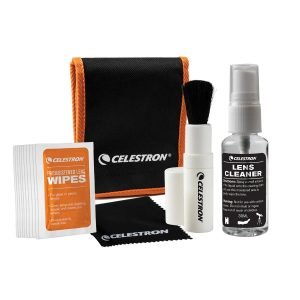
Cleaning lenses gently keeps your binoculars clear. Use a soft microfiber cloth to wipe dust or smudges. Avoid using paper towels or rough fabrics that can scratch lenses. For stubborn dirt, slightly dampen the cloth with water or lens cleaner made for optics.
Store binoculars in a dry place away from direct sunlight. Use a protective case to prevent damage from dust and drops. Avoid leaving them in hot cars or damp areas. This helps keep the lenses and mechanisms safe.
- Hold binoculars by the body, not the lenses.
- Keep straps secure to avoid dropping.
- Check and tighten screws or hinges regularly.
- Keep binoculars dry; wipe off moisture quickly.
- Do not force the focus or zoom if stuck.
Common Mistakes To Avoid
Holding binoculars steady is key. Shaking hands make images blurry. Use both hands and keep elbows close to your body. Rest your arms on a solid surface if possible. This helps keep the view clear and sharp.
Overusing high magnification can cause problems. Higher zoom makes the image shaky and smaller. It also narrows your view. Start with low magnification and increase only if needed.
Ignoring comfort and fit leads to quick fatigue. Binoculars should feel light and balanced. Adjust the eye cups to match your eyes. Use the neck strap to avoid dropping them. Comfort helps you watch birds longer.
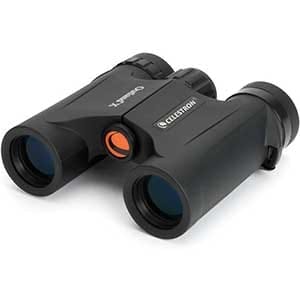
Credit: www.birdspot.co.uk
Frequently Asked Questions
What Are The Best Binoculars For Beginner Birders?
Beginner birders should choose binoculars with 8×42 magnification. This offers a clear, wide view and is easy to hold steady. Look for lightweight, waterproof models with good lens quality for better birdwatching experiences.
How Do I Focus Birding Binoculars Correctly?
To focus binoculars, start by closing your right eye and adjust the central wheel. Then, close your left eye and use the diopter ring on the right eyepiece. Finally, open both eyes and fine-tune for a sharp, clear image.
Can I Use Binoculars For Birding In Low Light?
Yes, binoculars with larger objective lenses, like 42mm or more, perform better in low light. They gather more light, enhancing visibility during dawn or dusk birdwatching sessions. Choose models with good lens coatings for clearer images.
How To Hold Binoculars For Steady Bird Watching?
Hold binoculars with both hands, elbows close to your body. This reduces shaking and improves stability. You can also lean against a tree or use a tripod for extra steadiness during long birding sessions.
Conclusion
Using birding binoculars can make bird watching more fun and clear. Start by holding them steady and adjusting the focus. Practice often to see details like colors and shapes. Choose a quiet spot to avoid scaring birds away. Remember, patience helps you spot more birds.
Enjoy nature and learn about different species. Each time you use binoculars, your skills will get better. Happy birding!