Are you struggling to see clearly when using binoculars in low-light conditions? Whether you’re keeping an eye on your property at dusk or conducting night surveillance, poor visibility can make your task frustrating and ineffective.
But what if you could enhance your vision and catch every important detail, even when the light is fading? You’ll discover simple yet powerful tips to use binoculars effectively in low-light situations. Keep reading to unlock techniques that will sharpen your view and boost your confidence during every nighttime watch.
Credit: www.usnighthawk.com
Choosing The Right Binoculars
Using binoculars in low-light conditions needs careful choice. The right binoculars help you see clearly at dawn, dusk, or night.
Look for features that improve light gathering and image clarity. These features make surveillance easier and more effective.
Magnification And Objective Lens Size
Magnification shows how much closer objects appear. Higher magnification brings details nearer but can reduce brightness.
The objective lens size controls how much light enters the binoculars. Bigger lenses gather more light, making images brighter.
- Choose magnification between 7x and 10x for low-light use
- Objective lens size of 40mm or more improves brightness
- Balance magnification and lens size for clear, bright images
Exit Pupil And Eye Relief
The exit pupil is the light beam that reaches your eye. Larger exit pupils give brighter views in the dark.
Eye relief is the space between your eye and the lens. Longer eye relief helps you see the full image comfortably.
- Exit pupil size around 5mm or more is best for low light
- Eye relief of 15mm or longer suits eyeglass wearers
- Check these specs to avoid dark or narrow views
Lens Coatings And Light Transmission
Lens coatings reduce light loss and glare. This lets more light reach your eyes for clearer images.
Good light transmission means brighter and sharper views in low-light. Fully multi-coated lenses perform best.
- Choose binoculars with fully multi-coated lenses
- Look for light transmission rates above 90%
- Better coatings improve contrast and reduce eye strain
Credit: www.firerescue1.com
Preparing For Low-light Conditions
Using binoculars in low-light conditions can be challenging. Proper preparation helps you see clearly in the dark.
Adjusting your equipment and position will improve your chances of success during low-light surveillance.
Adjusting Focus And Diopter Settings
Start by setting the focus and diopter correctly. This allows you to see sharp images in dim light.
- Look at a distant object and close your right eye.
- Turn the central focus wheel until the object is sharp with your left eye.
- Close your left eye and open your right eye.
- Adjust the diopter ring on the right eyepiece until the image is clear.
- Open both eyes and fine-tune the central focus wheel.
Using A Tripod Or Stabilizer
Holding binoculars steady is hard in low light. Use a tripod or stabilizer to avoid shaky images.
| Type | Benefit | Best Use |
|---|---|---|
| Tripod | Provides firm, stable support | Long surveillance sessions |
| Handheld Stabilizer | Reduces hand shake | Mobile observations |
Positioning For Optimal Visibility
Find a position that reduces glare and maximizes your view. This helps your eyes adjust better to the dark.
- Face away from bright lights or street lamps.
- Use natural cover to block unwanted light.
- Keep your body still and stable.
- Adjust your height and angle for the clearest line of sight.
- Allow your eyes to adapt to darkness before starting.
Techniques For Clear Viewing
Using binoculars in low-light conditions can be tricky. You need clear images to see details well.
Some techniques help improve your view when light is low. These tips make surveillance easier.
Reducing Hand Shake
Hand shake blurs the image when you look through binoculars. Keep your hands steady to see clearly.
Use both hands and hold the binoculars close to your face. Lean against a solid object for support.
- Hold binoculars with both hands
- Keep elbows close to your body
- Lean on a wall or tree if possible
- Use a tripod for long viewing sessions
Maximizing Ambient Light
Ambient light helps binoculars show clearer images in dark places. Use natural or artificial light wisely.
Look for light sources like street lamps or moonlight. Position yourself so light shines on the object you watch.
- Choose spots with some light, not total darkness
- Avoid looking directly into bright lights
- Adjust your eyes to the dark before using binoculars
- Use binoculars with larger lenses to gather more light
Using Red Light For Night Vision
Red light preserves your night vision better than white light. Use it to see controls or maps in the dark.
A small red flashlight helps you adjust binoculars without losing your dark sight. Avoid bright lights that cause glare.
- Use a red LED flashlight for low-light tasks
- Turn off bright lights before watching through binoculars
- Keep red light dim to keep your eyes adjusted
- Use red light only when needed to avoid disturbing others
Maintenance And Care Tips
Using binoculars in low-light conditions needs clean and well-kept lenses. Proper care helps keep your view clear and sharp.
Regular maintenance can extend the life of your binoculars and improve performance in dark places.
Cleaning Lenses Safely
Clean lenses gently to avoid scratches. Use soft cloths made for optics, not regular fabric.
Remove dust first by blowing air or using a soft brush. Then wipe the lenses in a circular motion.
- Use a lens cleaning solution made for optics
- Never use household cleaners or paper towels
- Clean only when necessary to avoid damage
Protecting From Moisture And Dust
Moisture can fog lenses and damage internal parts. Dust can block the view and scratch surfaces.
Always dry binoculars if they get wet. Use silica gel packs to keep moisture away during storage.
- Use waterproof covers in rainy or humid places
- Wipe off moisture with a dry, soft cloth
- Avoid touching lenses with fingers
Storage Practices
Store binoculars in a cool, dry place. Keep them in a padded case to protect from bumps.
Keep binoculars covered to stop dust from settling on lenses and parts.
- Use the original case or a soft pouch
- Store away from direct sunlight or heat
- Check and clean binoculars before storing
Advanced Tools And Accessories
Using binoculars in low-light surveillance can be challenging. Advanced tools help improve visibility and accuracy.
Accessories like night vision and stabilizers make it easier to see and track objects in the dark.
Infrared And Night Vision Attachments
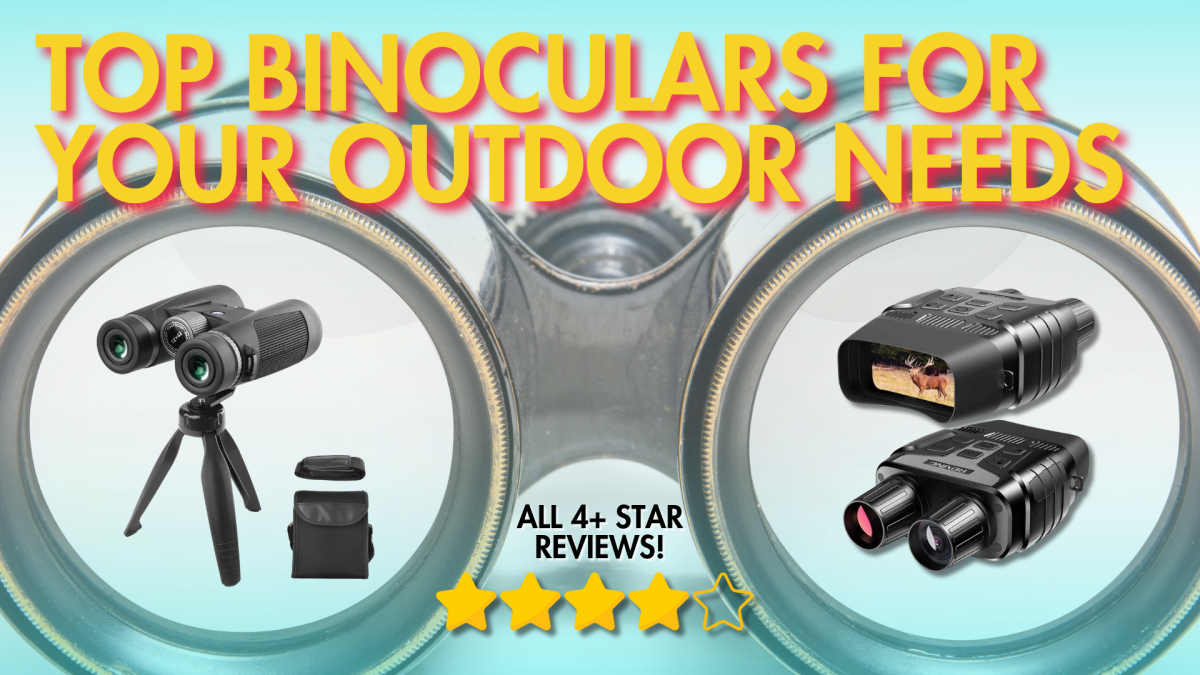
Infrared and night vision attachments let you see in total darkness. They work by detecting heat or amplifying low light.
- Infrared illuminators add invisible light to the scene.
- Night vision lenses amplify available light for clearer images.
- Many models attach directly to binoculars for easy use.
- These tools help spot targets without using visible light.
Rangefinders And Image Stabilizers
Rangefinders measure the distance to your target. Image stabilizers reduce shaking for steady viewing.
| Accessory | Function | Benefit |
| Rangefinder | Measures distance | Helps aim accurately |
| Image Stabilizer | Reduces shake | Clearer, steadier view |
| Both Combined | Distance and stability | Improves low-light surveillance |
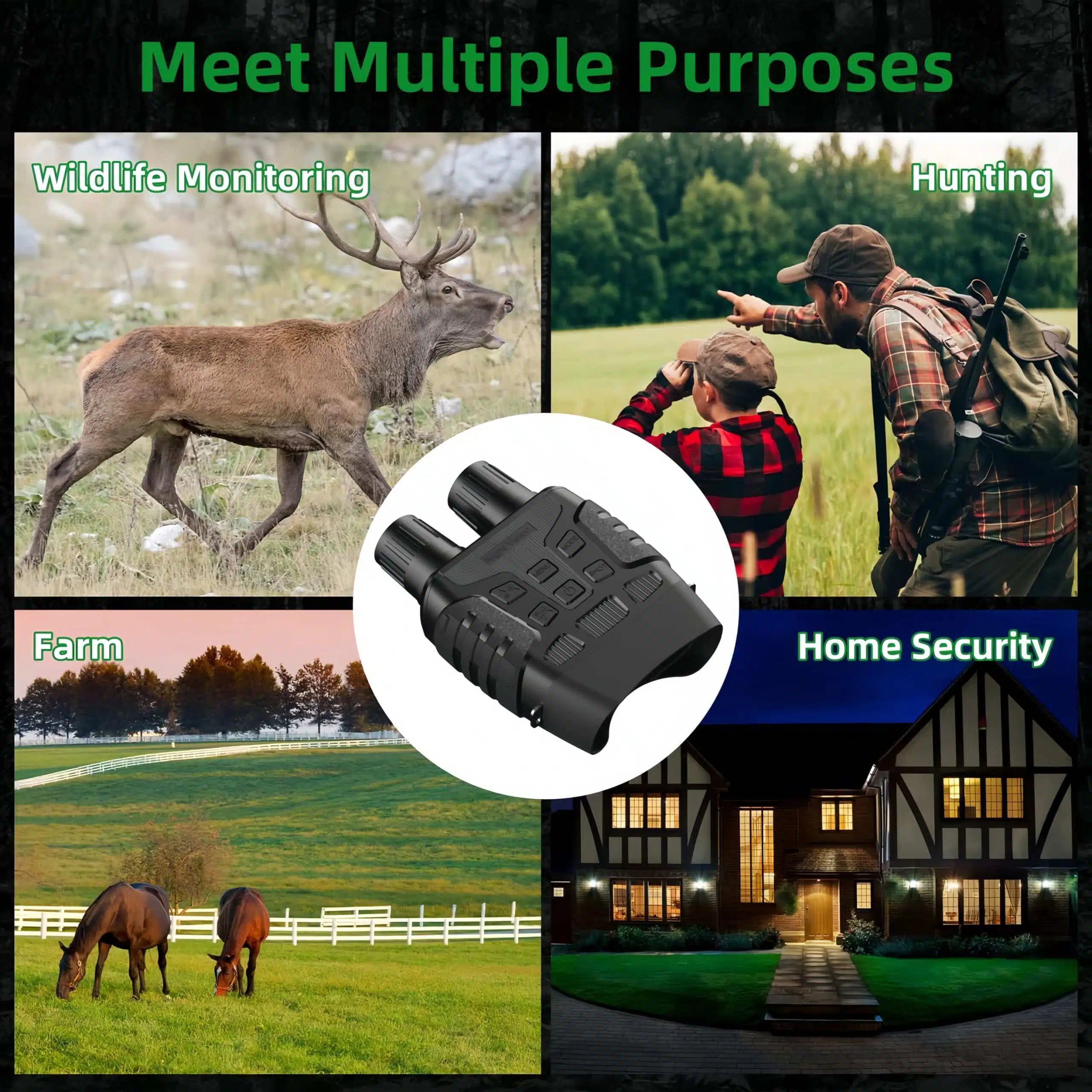
Using Digital Binoculars
Digital binoculars use sensors to capture images and videos. They often include zoom and night modes.
- Digital zoom lets you see distant objects clearly.
- Night mode adjusts brightness for dark conditions.
- Some models record footage for review later.
- They provide an easy way to enhance low-light viewing.

Credit: www.youtube.com
Frequently Asked Questions
What Makes Binoculars Suitable For Low-light Surveillance?
Binoculars with large objective lenses and high-quality prisms gather more light. This improves image brightness in dim conditions. Look for models with coatings that reduce glare and enhance contrast for clearer low-light vision.
How To Adjust Binoculars For Better Night Visibility?
Start by setting the focus on a distant object in low light. Adjust the diopter to match your eyesight. Use a steady grip or tripod to reduce shaking, ensuring clearer images during night surveillance.
Can Night Vision Binoculars Improve Low-light Surveillance?
Yes, night vision binoculars amplify available light, allowing clearer images in darkness. They use infrared technology to enhance visibility beyond normal binocular capabilities, making them ideal for night surveillance.
What Are The Best Practices For Using Binoculars In Twilight?
Use a wide field of view to spot movement quickly. Adjust the focus frequently as lighting changes. Avoid looking directly at bright lights to maintain night vision adaptation during twilight surveillance.
Conclusion
Mastering low-light surveillance with binoculars is achievable with practice. Remember to adjust the focus and settings for clarity. Choose binoculars with larger lenses for better light gathering. Steady your hands for a clear view. Practice often to improve your skills.
Pay attention to your surroundings and light conditions. Use these tips for effective surveillance. Enjoy the enhanced viewing experience with your binoculars. Stay patient and observant, and you will succeed in low-light situations. Your skills will grow with each use.