When every second counts and your safety depends on sharp vision, knowing how to use binoculars in combat situations can make all the difference. You need to spot threats early, gather crucial information, and stay one step ahead.
This guide will show you simple, effective techniques to get the most out of your binoculars when it matters most. By mastering these skills, you’ll boost your awareness and confidence in high-pressure moments. Ready to sharpen your focus and gain the upper hand?
Keep reading to learn how to use binoculars like a pro in combat scenarios.
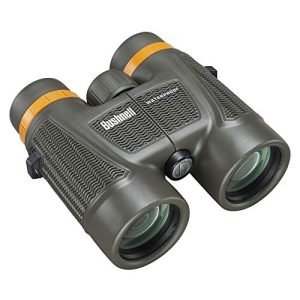
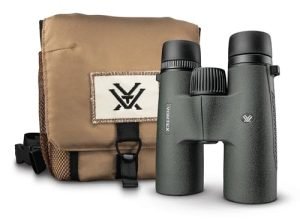
Choosing The Right Binoculars
Binoculars help you see far objects clearly in combat. Picking the right one is very important.
Good binoculars improve your vision and keep you safe in tough conditions.
Magnification And Lens Size
Magnification tells how much closer objects appear. Lens size shows how much light the binoculars gather.
Higher magnification means you see details from far away. Bigger lenses give a brighter view in low light.
- 5x to 10x magnification is good for combat use
- Lens size between 30mm and 50mm works well
- Too much magnification can make the image shaky
Durability And Weather Resistance
Combat means rough use and bad weather. Your binoculars must be tough and resist water and dust.
Look for binoculars that are shockproof and waterproof. They last longer and work better in rain or snow.
- Rubber armor protects against drops and bumps
- Waterproof seals stop moisture inside
- Fog-proof lenses keep vision clear in cold
Weight And Portability
You will carry binoculars for long times. Light and small binoculars are easier to handle.
Choose binoculars that fit your hands well. Avoid heavy models that tire your arms quickly.
- Compact models weigh less than 1.5 pounds
- Smaller sizes fit better in pockets or gear bags
- Straps or harnesses help carry binoculars comfortably
Credit: www.usnighthawk.com
Preparing Binoculars For Combat
Using binoculars in combat needs fast and clear vision. Preparing them well makes it easier to spot targets quickly. Good preparation helps avoid delays and mistakes.
Before heading into combat, check your binoculars for any damage. Make sure they are clean and work smoothly. This will help you focus fast and use them without trouble.
Adjusting Focus Quickly
Focus must be adjusted fast to see clearly. Practice turning the focus wheel smoothly before combat. Know how to change focus with one hand if needed.
Set the binoculars to your eye distance. Use the center focus knob for quick changes. Make small adjustments instead of large turns to avoid losing sight.
Using Lens Covers And Straps
Keep lens covers on when not using binoculars. This protects the lenses from dust and scratches. Remove covers only when you need to look through them.
Use a strong strap to hold the binoculars around your neck. A good strap keeps them ready and prevents loss. Check the strap for wear and replace it if weak.
- Always keep lens covers handy
- Remove covers only before use
- Use a sturdy neck or shoulder strap
- Check strap condition regularly
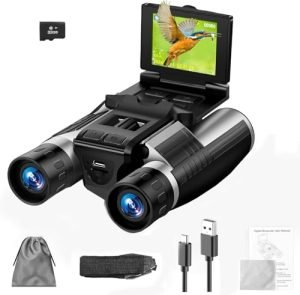
Night Vision And Low Light Options
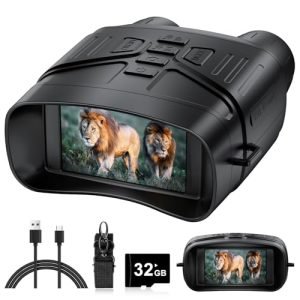
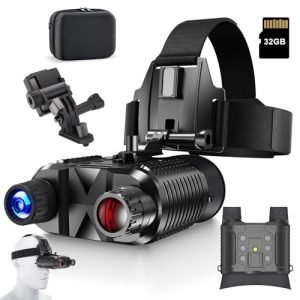
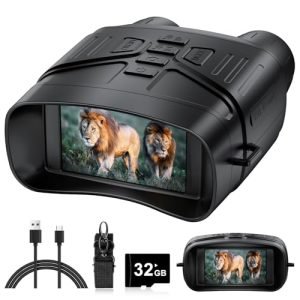
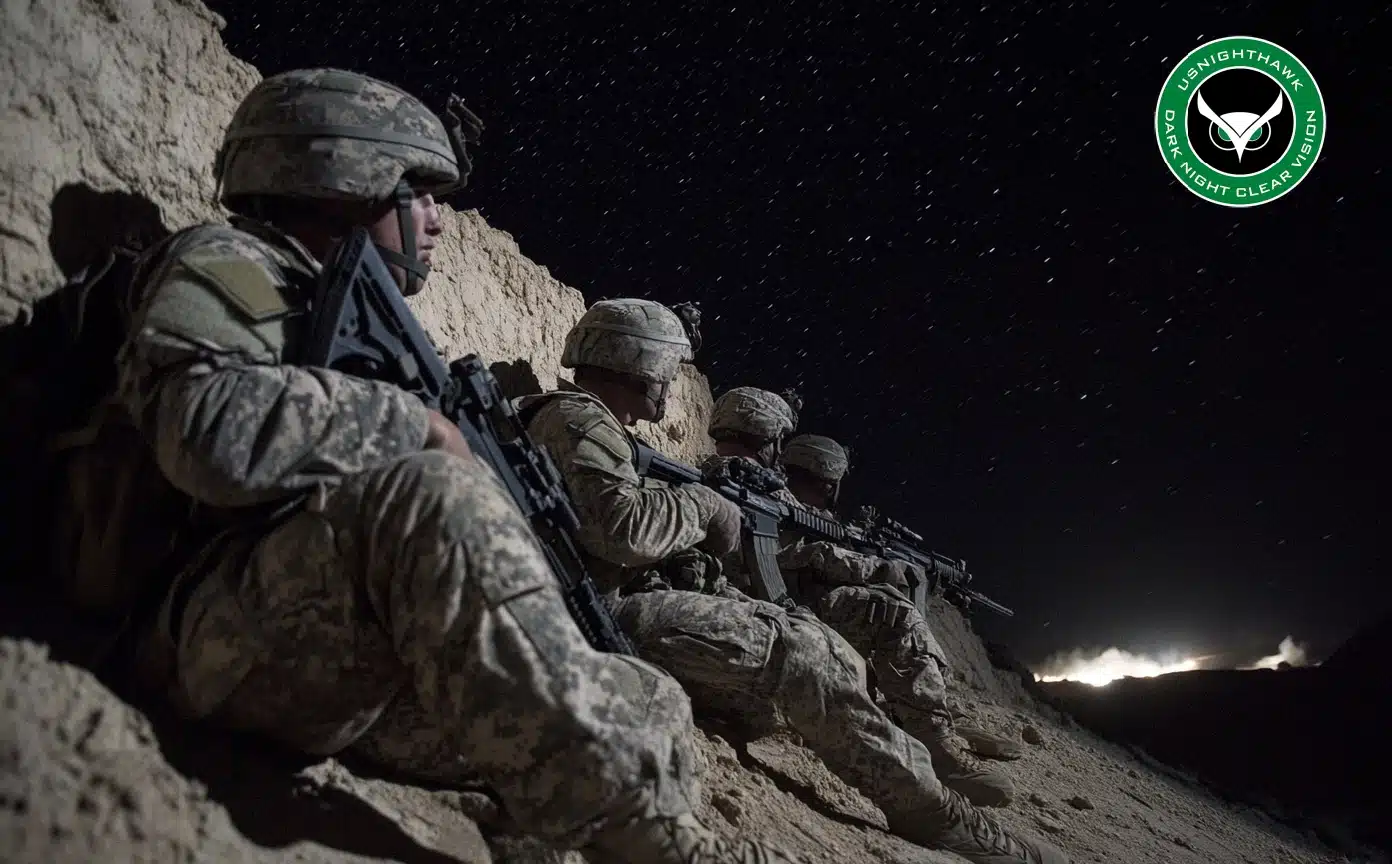
Combat may happen in low light or at night. Use binoculars with night vision or low light features. These help you see better when light is poor.
Test night vision settings before use. Adjust brightness and contrast to avoid eye strain. Always carry extra batteries for these features.
- Choose binoculars with night vision if possible
- Adjust settings before combat
- Carry spare batteries
- Practice using night vision in safe places
Effective Observation Techniques
Using binoculars in combat helps you see far and clear. Good observation keeps you safe and ready. Learn ways to watch carefully in tough situations.
Focus on how to scan areas, use tools, and stay aware of your surroundings. These skills improve your chances of spotting threats early.
Scanning And Spotting Targets
Move your binoculars slowly across the area. Look for any unusual shapes or movement. Divide the scene into sections to cover all parts.
- Start scanning from left to right or right to left.
- Focus on areas with cover like trees or buildings.
- Check open spaces for any signs of movement.
- Use both eyes to avoid missing details.
- Note any suspicious objects or people immediately.
Using Rangefinders With Binoculars
Rangefinders help measure the distance to a target. Use them with binoculars to improve accuracy and decision making.
| Rangefinder Feature | Benefit |
| Laser distance measurement | Quick and exact range data |
| Reticle integration | Helps aim and estimate size |
| Night vision compatibility | Use in low light conditions |
| Compact design | Easy to carry with binoculars |
Maintaining Situational Awareness
Keep track of what happens around you, not just what you see through binoculars. Awareness helps avoid surprises and threats.
Tips to stay aware:
- Use your ears to catch sounds beyond your view.
- Look around often, not only through binoculars.
- Note changes in the environment like new noises or movements.
- Communicate with your team about what you observe.
- Trust your instincts and verify any doubts.
Stealth And Safety Tips
Using binoculars in combat needs care. You must stay hidden and safe while watching carefully.
Follow simple steps to keep your position secret and avoid giving away your location.
Minimizing Glare And Reflections
Glare from binocular lenses can reveal your position. Avoid shining light back to the enemy.
Use lens covers or anti-reflective coatings to reduce shine. Hold binoculars steady to lower reflections.
- Use matte tape around lenses to cut glare
- Angle binoculars away from light sources
- Avoid direct sunlight on lenses
- Keep lenses clean but not shiny
Concealing Your Position
Keep your body low and behind cover. Use natural shadows to hide your shape.
Do not move binoculars quickly. Slow, smooth motions help avoid detection.
- Wear camouflage matching the area
- Use foliage or terrain for cover
- Limit exposure time using binoculars
- Stay still when observing
Communicating Observations Discreetly
Speak quietly or use hand signals to share what you see. Avoid loud noises that draw attention.
Use coded messages or prearranged signals to keep information safe.
- Use whisper or low tones
- Use radios with earpieces
- Create simple hand signals
- Write notes if needed, but hide them
Training And Practice
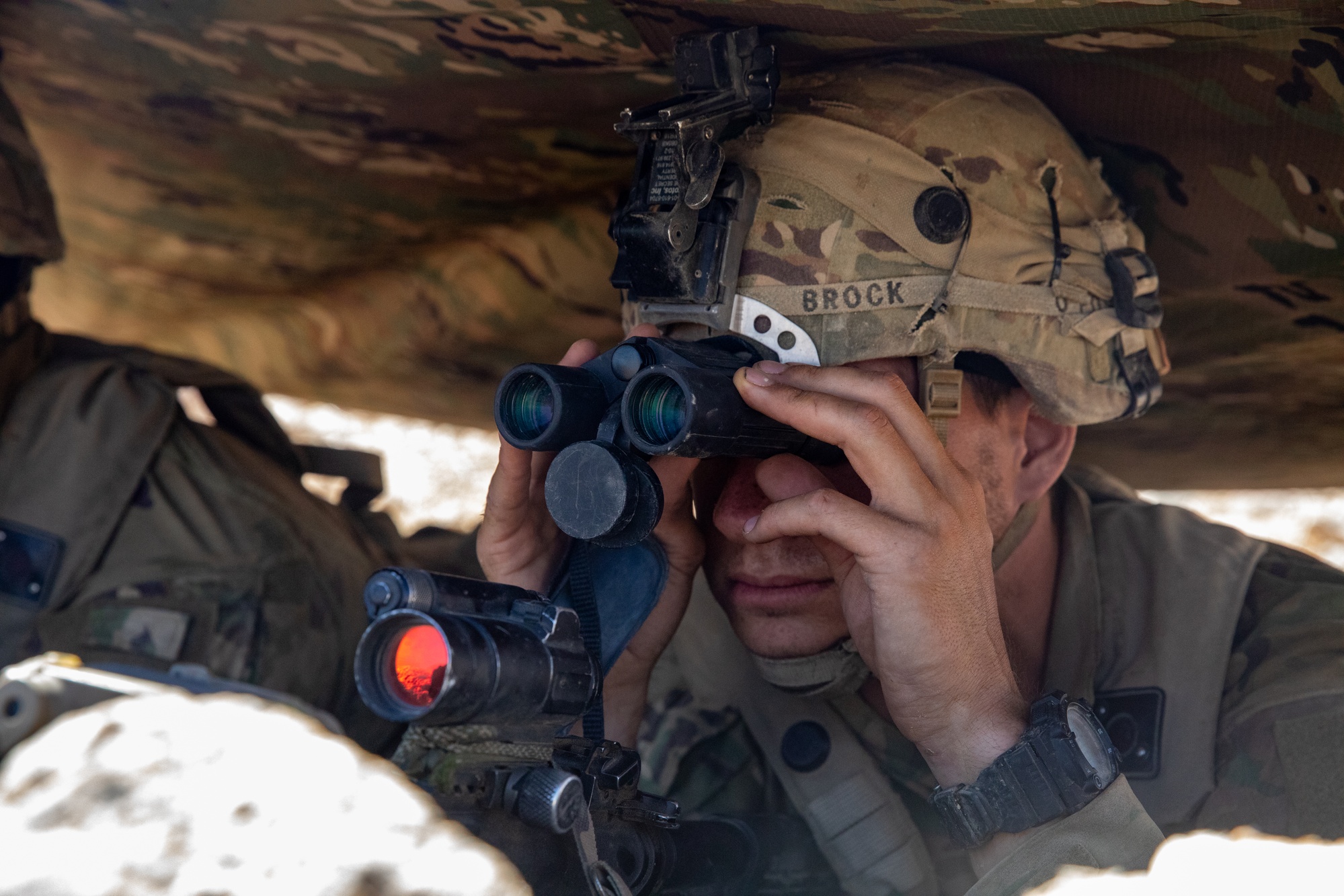
Using binoculars in combat needs focused training and practice. Proper skills help soldiers spot enemies fast and clearly.
Training improves both speed and accuracy. Regular practice keeps skills sharp for real combat use.
Drills For Speed And Accuracy
Practice drills improve how fast and accurately you use binoculars. These drills build muscle memory and focus.
- Identify distant targets quickly within 10 seconds
- Adjust focus smoothly for clear images
- Practice switching targets without losing sight
- Use both eyes to improve depth perception
- Keep steady hand posture during observation
Simulating Combat Scenarios
Simulated combat helps test skills in realistic situations. It trains you to use binoculars under stress and pressure.
Here are key elements to include in simulation:
- Low light and night vision exercises
- Moving targets at different distances
- Quick spotting and reporting drills
- Using binoculars while on the move
- Team communication while observing
Regular Maintenance And Checks
Binoculars must be clean and in good shape. Regular checks prevent problems during combat.
| Maintenance Task | Frequency | Details |
| Lens Cleaning | Daily | Use lens cloth to remove dust and smudges |
| Check for Damage | Weekly | Look for cracks or loose parts |
| Focus Adjustment | Before Each Use | Test smooth focus and clear image |
| Storage | After Use | Keep in dry case to avoid moisture |
Credit: www.dvidshub.net

Credit: www.reddit.com
Frequently Asked Questions
How Do I Properly Hold Binoculars In Combat?
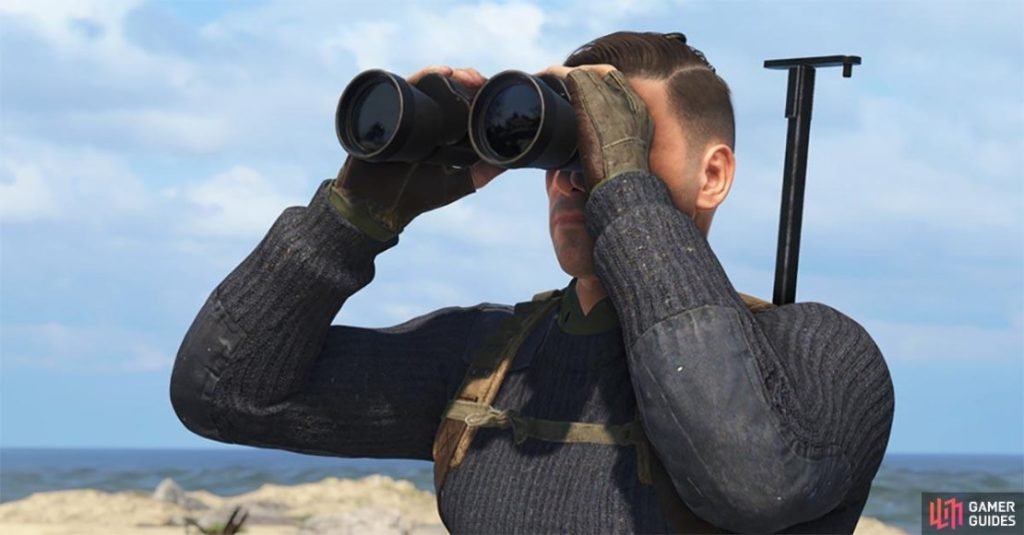
Hold binoculars steadily with both hands. Keep elbows close to your body. This reduces shaking and improves image clarity during combat.
What Settings Are Best For Combat Binoculars?
Use low to medium magnification for a wider view. Adjust focus quickly to spot threats. Choose models with durable, fog-resistant lenses.
How Can I Maintain Binoculars In Harsh Conditions?
Clean lenses gently with a microfiber cloth. Store binoculars in a protective case. Avoid exposing them to extreme heat or moisture.
When Should I Use Binoculars During Combat?
Use binoculars to scout enemy positions from a safe distance. Avoid prolonged use to prevent detection. Switch to direct vision for close encounters.
Conclusion
Mastering binocular use in combat is crucial for success. They enhance vision. Soldiers gain critical insights quickly. Proper handling ensures safety and efficiency. Familiarity with features boosts performance. Practice regularly for confidence in intense situations. Binoculars can make the difference between victory and loss.
Focus on clarity and precision. Each detail matters in combat. Equip yourself with knowledge and skill. Stay alert. Stay prepared. Your actions could save lives. Binoculars aren’t just tools; they’re essential allies.