Have you ever struggled to see your target clearly from a distance? Using binoculars for target spotting can change the game completely.
With the right techniques, you can zoom in, focus sharply, and spot your target quickly and accurately. Imagine feeling confident every time you look through your binoculars, knowing exactly what to do to get the best view. You’ll discover simple, effective tips that will help you master your binoculars and improve your spotting skills instantly.
Keep reading, and you’ll never miss a target again.

Credit: www.celestron.com
Choosing The Right Binoculars
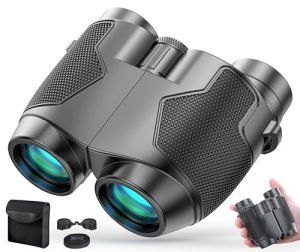
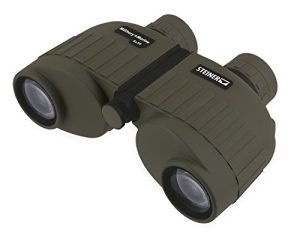
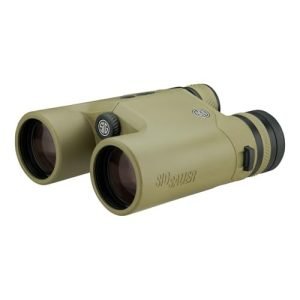
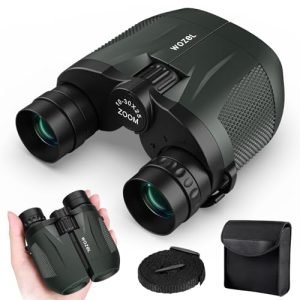
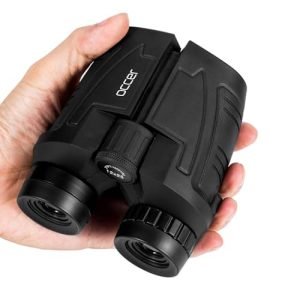
Binoculars help you see distant targets clearly. Picking the right pair is key for good spotting.
This guide covers important points about choosing binoculars for target spotting.
Magnification And Lens Size
Magnification shows how close objects appear. Lens size controls how much light enters.
- Higher magnification means closer view but less stability.
- Larger lens size means brighter images in low light.
- Common sizes are 8×42 or 10×50 for good balance.
- Too much magnification makes holding binoculars steady hard.
Types Of Binoculars
Binoculars come in different designs to fit various needs and budgets.
| Type | Description | Best For |
| Porro Prism | Wider body, good depth perception | General spotting, outdoor use |
| Roof Prism | Sleek and compact design | Hiking, travel, and easy carrying |
| Compact | Small and lightweight | Casual use, easy storage |
| Waterproof | Sealed against moisture and dust | Wet or harsh environments |
Budget Considerations
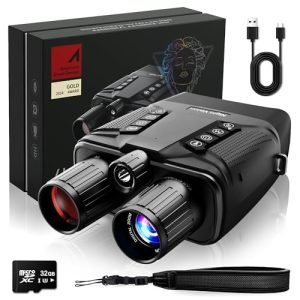
Price affects quality, durability, and features of binoculars.
- Entry-level binoculars suit casual users and beginners.
- Mid-range binoculars offer better optics and build quality.
- High-end models provide superior clarity and ruggedness.
- Think about how often and where you will use them.
- Spending more can mean better comfort and longer life.

Credit: www.amazon.com.be
Basic Binocular Handling
Binoculars help you see distant objects clearly. Proper handling makes spotting targets easier.
Learn how to adjust your binoculars for the best view and comfort.
Adjusting The Eyecups
Eyecups protect your eyes and help you see the full image. Adjust them based on your needs.
Use the eyecups up if you wear glasses. Fold them down if you do not wear glasses.
- Twist or fold eyecups to the comfortable position.
- Ensure both eyecups are in the same position.
- Check for a full, clear view without dark edges.
Setting The Interpupillary Distance
Interpupillary distance is the space between your eyes. Adjust binoculars to match this distance.
Hold binoculars up and move the barrels closer or farther apart. Stop when you see one clear circle.
- Look through both eyepieces.
- Move barrels until images merge into one.
- Check that the view is sharp and centered.
Focusing Techniques
Focusing helps you see objects clearly. Use the focus wheel and diopter adjustment for sharp images.
First, close your right eye and focus with the left eye. Then, close your left eye and adjust the right side.
- Close right eye; focus left eyepiece on a target.
- Close left eye; use diopter ring to focus right eyepiece.
- Open both eyes and use the center focus wheel for fine tuning.
- Keep both eyes open and adjust for the clearest image.
Spotting Targets Effectively
Using binoculars can help you see distant objects clearly. Spotting targets takes practice and patience. Knowing some key techniques improves your accuracy and speed.
This guide covers ways to keep your view steady, use reference points, and scan areas efficiently.
Stabilizing Your View
Keeping your binoculars steady is important. A shaky view makes it hard to spot targets. Use your body or nearby objects to support your arms and hands.
- Lean against a tree or wall for support
- Rest your elbows on a stable surface
- Hold binoculars firmly but not too tight
- Control your breathing to reduce movement
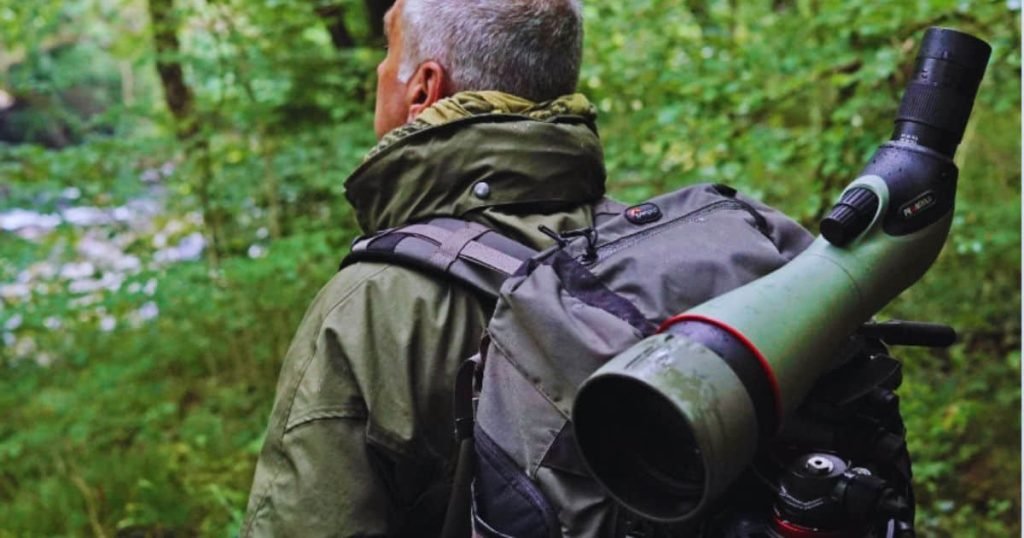
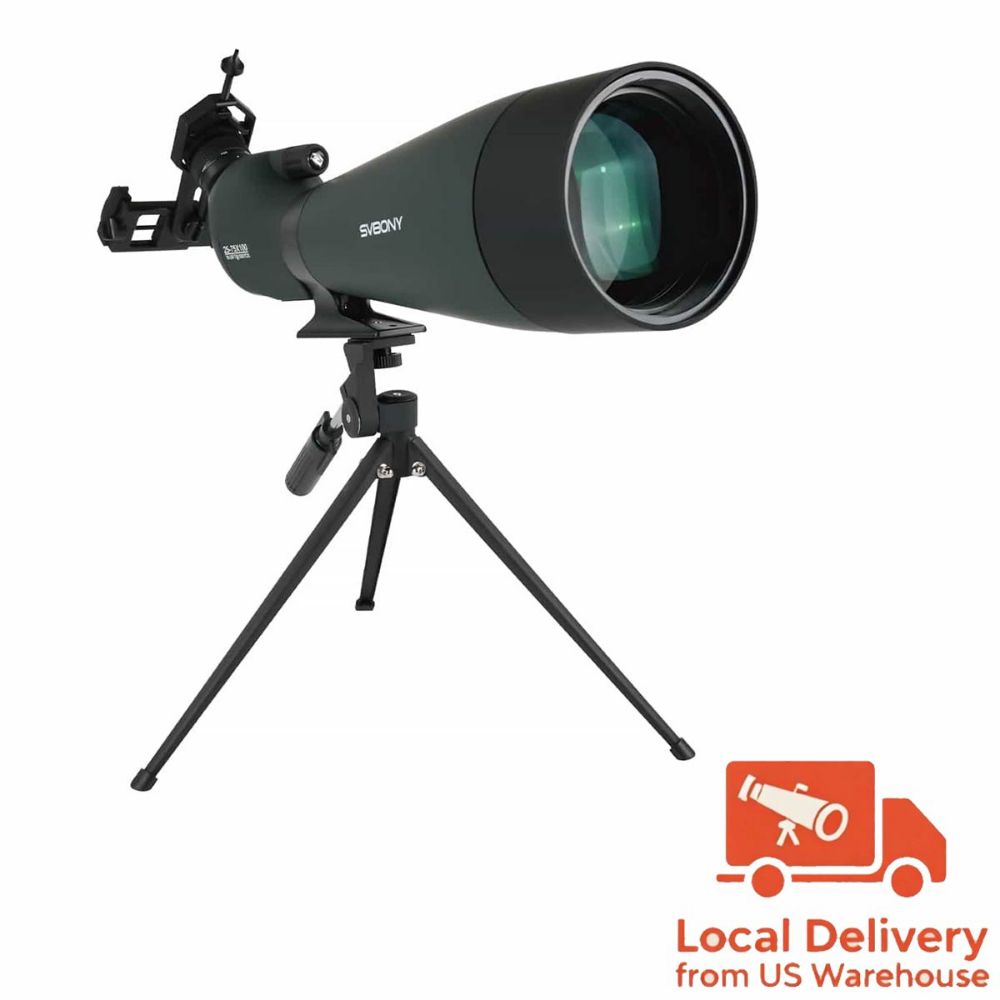
- Use a tripod if available for long spotting sessions
Using Reference Points
Reference points help you find and track targets quickly. Look for landmarks like trees, rocks, or buildings near your target area. These points guide your binoculars to the right spot.
| Reference Point | Use | Example |
| Tree | Center your view near it | Large oak tree on the hill |
| Rock | Mark target location | Flat rock beside the trail |
| Building | Scan around it | Farmhouse in the valley |
Scanning Techniques
Effective scanning covers the area well without missing targets. Move your binoculars slowly and evenly. Use a pattern that suits the landscape.
Try these scanning methods:
- Horizontal sweep: Move binoculars left to right in a straight line.
- Vertical sweep: Move binoculars up and down slowly.
- Grid pattern: Combine horizontal and vertical sweeps to cover a square area.
- Spot check: Pause briefly at likely spots to look carefully.
Optimizing Viewing Conditions
Using binoculars for target spotting works best with the right conditions. Clear views help you see details far away.
Lighting and weather affect how well you spot targets. Adjust your timing and position for the best results.
Lighting And Weather Factors
Good lighting makes targets easier to see. Bright sunlight can help, but too much light can wash out details.
- Cloudy skies reduce shadows and glare.
- Light rain or mist can blur the view.
- Wind can shake your hands and blur images.
- Early morning and late afternoon light is softer and better.
Avoiding Glare And Reflections
Glare and reflections on lenses reduce clarity. Keep lenses clean and use lens hoods if possible.
| Cause | How to Avoid |
| Sunlight hitting lenses | Adjust angle or use lens hood |
| Reflections from water or glass | Change your position or use polarized filters |
| Dirty lenses | Clean lenses regularly with soft cloth |
Best Times For Spotting
Choosing the right time improves spotting success. Avoid harsh midday sun and poor weather.
- Early morning offers calm air and good light.
- Late afternoon has warm light and less glare.
- Overcast days provide even lighting without shadows.
- Stay clear of foggy or rainy periods for better views.
Maintenance And Care Tips
Taking good care of your binoculars helps them last longer. Proper maintenance keeps your view clear.
Follow these simple tips to keep your binoculars in top shape for target spotting.
Cleaning Lenses Safely
Clean the lenses gently to avoid scratches. Use a soft brush or air blower to remove dust first.
Use a microfiber cloth to wipe the lenses. Avoid using paper towels or clothing, which can damage them.
- Blow off loose dirt with a lens blower
- Brush away remaining dust with a soft brush
- Use lens cleaning solution and a microfiber cloth
- Wipe in circular motions, gently
Storing Binoculars Properly
Store binoculars in a dry, cool place away from direct sunlight. Heat and moisture can harm the lenses and body.
Keep binoculars in a protective case when not in use. This prevents dust buildup and accidental damage.
- Use a padded case for storage
- Keep them in a dry environment
- Avoid leaving them in hot cars or damp areas
- Store with lens caps on to protect lenses
Regular Inspection
Check your binoculars often for any signs of damage or wear. Early detection helps fix small problems fast.
Look for loose parts, cracked lenses, or dirt inside the lenses. Make sure the focus and adjustment knobs work smoothly.
- Inspect lenses for scratches or cracks
- Test the focus and zoom mechanisms
- Check for loose or missing screws
- Clean any dirt or moisture inside the lenses
Credit: www.svbony.com
Frequently Asked Questions
How Do Binoculars Help In Target Spotting?
Binoculars magnify distant objects, making targets clearer and easier to identify. They improve accuracy in spotting by providing a closer view. This helps users assess target details without moving closer, enhancing safety and precision during outdoor activities like hunting or shooting.
What Is The Best Binocular Magnification For Spotting?
A magnification of 8x to 10x is ideal for target spotting. It offers a clear view without excessive shake or narrow field of view. This balance allows easy target tracking and better image stability, essential for accurate spotting in various outdoor conditions.
How To Stabilize Binoculars For Clear Target Viewing?
Use a tripod or rest your elbows on a solid surface. Keep binoculars steady and avoid shaking for a clear image. Proper posture and slow breathing also help reduce movement, ensuring sharper and more accurate target spotting over extended periods.
Can Binoculars Be Used In Low Light For Spotting?
Yes, binoculars with large objective lenses gather more light. This feature improves visibility in dim conditions like dawn or dusk. Choosing models with good light transmission enhances target spotting when natural light is limited, ensuring better performance in low-light environments.
Conclusion
Mastering binoculars enhances your target spotting skills. Practice regularly to improve precision. Ensure proper alignment and focus for clear views. Adjust settings based on light conditions. Keep your binoculars clean for the best results. Remember, patience is key. Observing for longer periods can reveal more details.
Always carry a guide for quick reference. Choose binoculars that suit your specific needs. Comfort and functionality are crucial. Enjoy the experience and happy spotting!