Have you ever tried to keep an eye on something important when the weather just won’t cooperate? Rain, fog, or snow can make using binoculars frustrating and nearly impossible.
But what if you could still see clearly, no matter what the sky throws at you? You’ll discover simple, effective tips to use your binoculars for surveillance even in the worst weather. By the end, you’ll feel confident and ready to spot every detail, keeping your watch sharp and reliable when it matters most.
Keep reading—you won’t want to miss these game-changing techniques.
Choosing The Right Binoculars
Using binoculars for surveillance in bad weather needs careful choice. The right binoculars help you see clearly despite rain, fog, or snow.
Focus on features that protect your view and give sharp images. This guide covers key points to select good binoculars for tough weather.
Key Features For Bad Weather
Binoculars made for bad weather have special designs. They resist water and fog and have strong lenses. Look for models with rubber armor for grip and shock protection.
Waterproof And Fogproof Options
Waterproof binoculars keep rain and moisture out. Fogproof models have sealed tubes filled with nitrogen or argon gas. This stops inside fogging when the temperature changes.
- Check for an IPX rating to confirm waterproof level.
- Choose gas-filled binoculars to avoid lens fog.
- Look for rubber coating to protect against slips.
Magnification And Lens Size
Magnification and lens size affect how well you see details and how bright the image is. Higher magnification shows more detail but can be harder to hold steady.
| Magnification | Lens Size (mm) | Best Use |
| 8x | 32-42 | Good balance for stability and brightness |
| 10x | 42-50 | More detail but needs steady hands or support |
| 12x or more | 50+ | Long distance viewing, needs tripod |

Credit: gtguardhunt.com
Preparing For Surveillance
Using binoculars for surveillance in bad weather needs extra care. You must prepare well to see clearly and stay safe.
This guide covers how to set up, protect your gear, and choose the right clothing for harsh weather.
Setting Up In Harsh Conditions
Find a stable spot to avoid shaking. Use a tripod if possible. Check the wind direction to stay hidden. Avoid wet or slippery ground to keep your balance steady.
Protecting Equipment From Elements
- Use waterproof covers for binoculars.
- Keep lens caps on when not in use.
- Carry a small microfiber cloth to wipe fog or rain.
- Store equipment in padded, sealed cases.
- Apply anti-fog spray to lenses before use.
Clothing And Gear Tips
| Clothing Item | Purpose | Tips |
| Waterproof Jacket | Stay dry | Choose breathable fabric |
| Non-slip Boots | Good grip | Test soles before use |
| Gloves | Warmth and grip | Thin gloves for handling gear |
| Hat with Brim | Protect face from rain | Should fit snugly |
| Layered Clothing | Temperature control | Remove layers if too warm |
Techniques For Clear Viewing
Using binoculars in bad weather can be hard. Fog, rain, and snow blur your view.
These techniques help you see clearly during surveillance in tough weather.
Adjusting Focus Quickly
Focus your binoculars fast to get a sharp image. Bad weather can change what you see.
Keep both eyes open and use the center focus wheel smoothly. Adjust the diopter for one eye.
- Start with the center focus wheel
- Adjust the diopter ring for your dominant eye
- Refocus often as distance or weather changes
Using Lens Covers And Filters
Protect your binocular lenses with covers. They keep dirt and water off the glass.
Use filters to improve vision in fog or low light. Some filters reduce glare and boost contrast.
- Keep lens covers handy when not viewing
- Use UV or polarizing filters in bright or foggy conditions
- Clean lenses with a soft cloth after bad weather
Minimizing Glare And Reflections
Glare can block your view. Avoid shiny surfaces that reflect light into your eyes.
Use a lens hood or shade your binoculars with your hand. Change your angle to reduce reflections.
- Use a lens hood to block sunlight
- Wear a hat with a brim for extra shade
- Change your position to avoid direct light on lenses

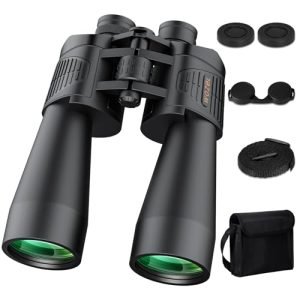
Credit: www.amazon.com
Maintaining Visibility In Rain And Fog
Using binoculars in bad weather can be hard. Rain and fog reduce how well you see far away objects.
There are ways to keep your view clear. This helps you watch safely and carefully in tough weather.
Handling Moisture On Lenses
Water drops on lenses blur your view. Always carry a soft cloth to wipe lenses gently.
Keep a small microfiber cloth in a waterproof case. Use it to remove rain or mist from the lenses.
- Wipe lenses carefully to avoid scratches
- Use lens caps when not looking through binoculars
- Store binoculars in a dry bag during heavy rain
Positioning To Avoid Fog Build-up
Fog forms when warm air meets cold lenses. Hold binoculars close to your face to keep them warm.
Try to face away from wind and rain. Shelter behind objects to reduce moisture hitting the lenses.
- Keep binoculars near your eyes to use your body heat
- Use natural cover like trees or walls
- Avoid pointing binoculars directly into strong wind or rain
Using Anti-fog Solutions
Anti-fog sprays help stop lenses from fogging up. Apply them before going out in wet weather.
Use products made for optics. Follow instructions and reapply as needed to keep lenses clear.
- Spray a small amount on each lens
- Wipe gently with a clean cloth
- Test solutions on a small area first
Enhancing Stability And Comfort
Using binoculars in bad weather can be tough. Rain, wind, and cold affect your view and comfort. Stability is key for clear vision.
This guide helps you hold and use binoculars steadily. It also shows ways to stay comfortable for longer surveillance sessions.
Proper Grip And Posture
Hold binoculars with both hands to reduce shaking. Keep your elbows close to your body for extra support. Stand or sit with a straight back.
- Hold binoculars firmly but not too tight
- Keep elbows tucked in near your ribs
- Stand or sit with feet shoulder-width apart
- Keep your head steady and avoid sudden moves
Using Tripods Or Supports
A tripod or support can greatly improve stability. It stops hand shaking and helps you keep the binoculars steady for a long time.
| Support Type | Advantages | Best Use |
| Tripod | Very stable, adjustable height | Long surveillance, static views |
| Bean Bag | Portable, quick setup | Uneven surfaces, quick shots |
| Monopod | Good balance, easy to carry | Moving targets, light travel |
Reducing Fatigue During Long Use
Holding binoculars for a long time tires your hands and arms. Take regular breaks and use comfort aids to reduce strain.
Try these tips to stay comfortable:
- Use padded straps to support binocular weight
- Shift binoculars between hands every 10 minutes
- Rest your arms on a surface when possible
- Stretch your hands and arms during breaks
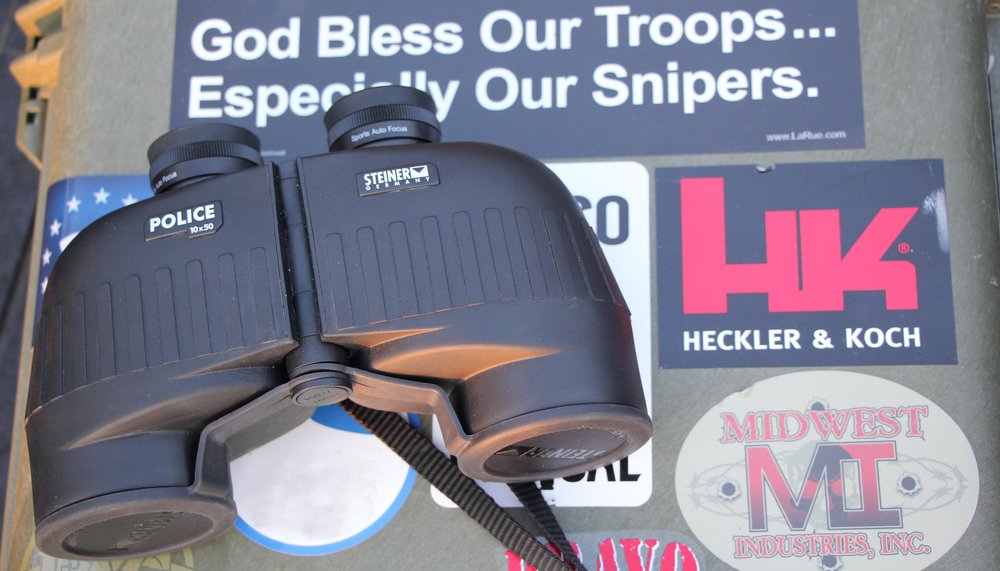
Credit: www.transientoutdoorsman.com
Safety And Legal Considerations
Using binoculars for surveillance in bad weather needs care. You must follow safety rules and legal limits. This helps protect you and others.
Bad weather can make it hard to see and move. Knowing the law keeps you out of trouble.
Respecting Privacy Laws
Privacy laws protect people’s personal space. Do not spy on private places like homes or yards.
Check local rules before watching anyone. Use binoculars only in public areas or where you have permission.
- Do not record or photograph without consent
- Avoid looking into private windows or fenced areas
- Know the legal limits for surveillance in your area
Staying Safe In Bad Weather
Bad weather like rain, snow, or fog can be risky. Protect yourself from cold and wet conditions.
Wear waterproof clothes and sturdy shoes. Use a tripod or strap to keep binoculars steady.
- Check the weather forecast before going out
- Bring extra clothes and gloves
- Keep binoculars dry with covers or cases
- Watch your footing to avoid slips or falls
Emergency Preparedness
Prepare for emergencies when doing surveillance. Bad weather can cause accidents or get worse quickly.
Carry a phone, first aid kit, and flashlight. Tell someone where you will be and when you plan to return.
- Have a charged phone for help
- Pack basic first aid supplies
- Bring a flashlight with extra batteries
- Share your location with a trusted person
Frequently Asked Questions
How Do Weather Conditions Affect Binocular Surveillance?
Bad weather like rain, fog, or snow reduces visibility and clarity. Moisture can fog lenses and distort images. Using waterproof, fog-resistant binoculars helps maintain clear views despite harsh conditions.
What Features To Look For In Binoculars For Bad Weather?
Choose binoculars with waterproof seals and fog-proof nitrogen or argon purging. Large objective lenses improve light capture in low visibility. Durable, rubber-coated bodies enhance grip and shock resistance in wet weather.
How To Prevent Lens Fogging During Surveillance?
Keep binoculars close to body heat to reduce fogging. Use anti-fog lens sprays or wipes before use. Avoid breathing directly on lenses, and store binoculars in a dry case when not in use.
Can Night Vision Binoculars Help In Bad Weather?
Night vision binoculars enhance visibility in low light but may struggle in heavy rain or fog. Combining infrared features with weather-resistant design improves surveillance effectiveness during poor weather conditions.
Conclusion
Using binoculars in bad weather can be tricky but doable. Keep lenses clean and dry for clear views. Choose models with waterproof and fog-proof features. Adjust focus slowly to avoid blurry images. Stay steady and use both hands for better control.
Practice often to improve your skills in tough conditions. Weather should not stop you from watching carefully. With patience and the right tools, surveillance becomes easier. Stay safe and prepared for any weather challenge.