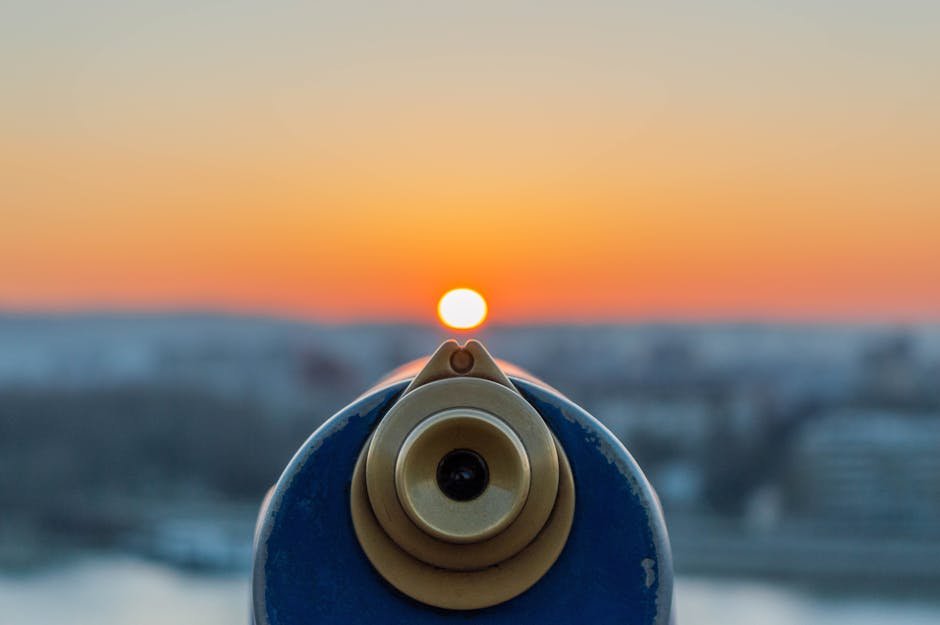
There’s something magical about watching the world wake up or settle down during sunrise and sunset. But have you ever tried using binoculars during these moments?
When you know how to use them right, binoculars can reveal stunning details you’d otherwise miss—like birds starting their day or the colors shifting in the sky. In this guide, you’ll discover simple tips to make your binocular experience clearer and more enjoyable during those golden hours.
Ready to see sunrise and sunset in a whole new way? Keep reading, and you’ll learn exactly how to do it.
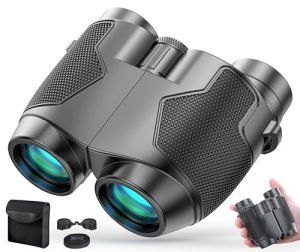
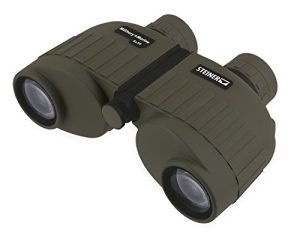
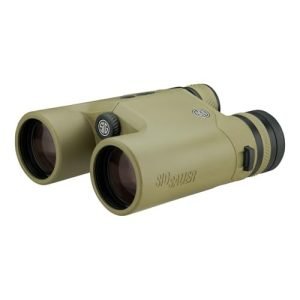
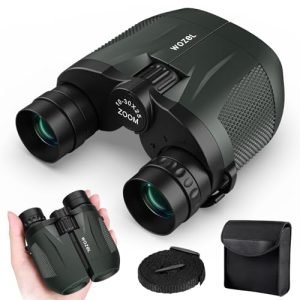
Choosing The Right Binoculars
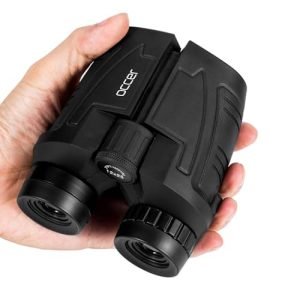
Lens qualityis key for clear views during sunrise and sunset. Larger lenses let in more light, which helps in low-light conditions. Choose a lens size that balances brightness and weight for easy carrying.
Magnificationaffects how close objects appear. A moderate magnification (around 8x to 10x) works well. Too high magnification can make the image shaky and hard to hold steady. A wide field of viewhelps spot animals or scenery faster.
Waterproof and fogproofbinoculars protect against dew, rain, and mist. These features keep lenses clear and prevent damage. They are great for early morning or late evening trips when moisture is common.

Credit: www.instagram.com
Understanding Light Conditions
Low light during sunrise and sunset makes it harder to see distant objects. Binocularshelp by bringing those objects closer and clearer. The light changes fast, so eyes must adjust quickly. This can make it tricky to keep a clear view.
Adjusting brightness on binoculars or using models with variable light controlhelps. This keeps images sharp even as light fades or grows stronger. Good focus is important too, to avoid blurry views.
Coated lensesreduce glare and improve light transmission. This means brighter and clearer images during low light times. Many binoculars come with special coatings to help in these conditions. These coatings make colors look natural and reduce eye strain.
Optimizing Binocular Settings
Start by adjusting the focus for a clear view. Look through the binoculars at a distant object. Slowly turn the central focus wheel until the image is sharp. Use the diopter adjustment to correct differences between your eyes. Close one eye and focus with the other using the central wheel. Then, close the other eye and adjust the diopter ring until the view is clear. This helps see details better during low light.
Using a tripod makes your view steady. It stops shaking hands from blurring the image. Attach your binoculars to a tripod mount if available. If not, rest your elbows on a stable surface. A steady view is important during sunrise and sunset. It helps spot birds, animals, and landscapes clearly.

Credit: www.instagram.com
Positioning For Best Views
Choose spots with a clear view of the horizon. Hills, open fields, or beaches work well for sunrise. For sunset, places facing west are best. Trees or buildings can block your view. Find spots with minimal obstacles.
Glare and reflections can spoil the view. Avoid standing with the sun directly behind you. Use your body or trees to block harsh light. Tilt binoculars slightly to reduce glare. A lens hood or anti-reflective coating helps too.
| Aspect | Sunrise | Sunset | Glare Avoidance |
|---|---|---|---|
| Best Direction | East-facing open areas | West-facing spots | Keep sun out of line of sight |
| Common Locations | Hills, open fields, beaches | Water bodies, clear horizons | Use shadows or natural blockers |
| Tips | Arrive early, find clear view | Stay clear of tall structures | Tilt binoculars; use lens hood |
Safety Considerations
Never look directly at the sunthrough binoculars. It can cause serious eye damage. Use a solar filter designed for binoculars if needed.
Hold binoculars with both hands for steady viewing. Avoid dropping or hitting them against hard surfaces. Keep lenses clean but use a soft cloth.
- Check the area around you before focusing binoculars.
- Watch your step to avoid tripping or falling.
- Be aware of others nearby to avoid bumping into them.

Credit: www.shutterstock.com
Capturing Memories
Smartphone adapters help attach your phone to binoculars easily. This lets you take clear photos and videos through the lenses. The images show details of the sunrise or sunset that are hard to see with the naked eye.
Recording videos with binoculars can capture beautiful colors and shapes. Keep the phone steady to avoid blurry shots. Short clips work best for sharing on social media.
- Share your photos to show the beauty of nature.
- Post videos to inspire friends and family.
- Use simple captions to describe what you saw.
Frequently Asked Questions
How Do Binoculars Improve Sunrise And Sunset Viewing?
Binoculars enhance details and colors during sunrise and sunset. They magnify distant objects, making landscapes and wildlife clearer. This helps you enjoy vivid and immersive views. Using binoculars also reduces eye strain in low light conditions at these times.
What Is The Best Binocular Magnification For Sunrise Trips?
A 7x to 10x magnification is ideal for sunrise trips. It balances clear, stable images with enough zoom to see distant details. Higher magnification can cause shaky views without a tripod, so moderate zoom is best for handheld use at dawn.
How To Protect Binocular Lenses From Low Light Glare?
Use lens hoods or caps to minimize glare during sunrise and sunset. Anti-reflective coatings on lenses also reduce glare and improve image clarity. Avoid pointing binoculars directly at the sun to protect your eyes and lenses.
Can Binoculars Help Spot Wildlife At Sunset?
Yes, binoculars help spot wildlife during sunset by improving visibility. They reveal animals hidden in shadows or far away. Low light conditions make spotting harder, but binoculars enhance contrast and details, making wildlife observation easier.
Conclusion
Sunrise and sunset offer stunning views for binocular use. Choose the right binoculars for clear, bright images. Hold them steady to avoid blurry sights. Adjust focus slowly to see details well. Protect your eyes by not looking directly at the sun.
Enjoy the calm and beauty these moments bring. Practice often to improve your skills. Nature’s colors and shapes become clearer and more vivid. Binoculars can make your trips more special and fun. Try these tips on your next adventure.