Are you thinking about buying military binoculars but unsure how to pick the right pair? Choosing the wrong binoculars can cost you time, money, and even your safety in critical situations.
You want gear that performs flawlessly when it matters most. That’s why testing your binoculars before buying is a smart move. You’ll discover simple, practical steps to check the quality, durability, and clarity of military binoculars. By the end, you’ll feel confident making a choice that truly fits your needs.
Keep reading, because your next pair of binoculars could make all the difference.
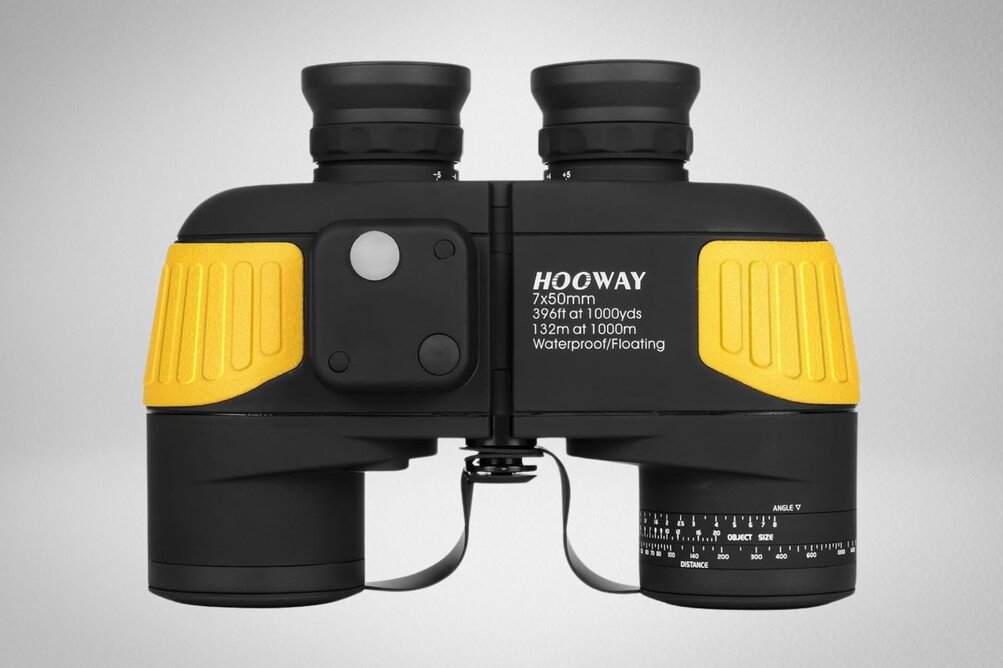
Credit: www.boatsailmag.com
Key Features To Check
Military binoculars must meet strict standards for performance. Testing them before buying is important.
Look closely at specific features to find binoculars that fit your needs in tough conditions.
Magnification And Lens Diameter
Magnification shows how much closer objects appear. Lens diameter controls how much light enters.
| Magnification | Common sizes: 7x, 10x, 12x |
| Lens Diameter | Usually 35mm to 50mm |
| Effect | Higher magnification shows details but can be less steady. |
| Light Gathering | Larger lenses work better in low light. |
Field Of View
The field of view is the width of the area you see. Wider views help you scan large areas.
- Check the field of view in feet at 1000 yards or meters at 1000 meters.
- A wider field of view helps spot moving targets faster.
- Higher magnification usually means a narrower field of view.
Image Clarity And Brightness
Clear and bright images are crucial for identifying objects correctly. Look for good lens coatings.
Test the binoculars in different light conditions. Check for sharp edges and color accuracy.
Durability And Build Quality
Military binoculars need to resist rough handling and weather. Look for waterproof and fog-proof features.
- Waterproof and fog proof ratings
- Shock resistance for drops and impacts
- Rubber armor for grip and protection
- Strong hinge and focus mechanisms
Credit: www.outdoorlife.com
Performance In Different Conditions
Testing military binoculars before buying is important. You need to know how they work in many conditions. Good binoculars must perform well in light changes, weather, and fog.
This guide covers key tests for low light use, weather resistance, and fog and waterproof features. These tests help you pick the right binoculars for tough environments.
Low Light And Night Use
Military binoculars must show clear images in low light and at night. Check the lens size and coating. Bigger lenses catch more light. Anti-reflective coatings improve brightness. Try looking at dim objects and distant lights to see clarity and detail.
- Test under dawn or dusk lighting
- Observe stars or distant lamps at night
- Check for eye strain or blurriness
- Compare brightness with other binoculars
Weather Resistance
Binoculars for military use must handle rain, dust, and heat. Look for models with sealed bodies and tough outer layers. These features protect lenses and internal parts. Test by exposing binoculars to light rain or dust and check if performance stays good.
| Test Type | What to Check | Expected Result |
|---|---|---|
| Rain Exposure | Water resistance of outer shell | No water inside lenses or body |
| Dust Test | Seals prevent dust entry | Clear view, no dust inside |
| Heat Exposure | Materials withstand heat | No warping or damage |
Fog And Waterproof Testing
Fog and waterproof features keep binoculars working in wet and cold places. Fog inside lenses blocks sight. Waterproofing stops water damage. Test by breathing on lenses to see if fog forms inside. Also, submerge binoculars in water briefly to check seals.
- Check for internal fog after breathing on lenses
- Submerge binoculars in water for a few minutes
- Inspect for water leaks or fog after submersion
- Ensure clear, dry lenses inside after tests
Comfort And Usability
Military binoculars must be easy to hold and use for long periods. Comfort helps you focus better on your target. Usability means all controls should work smoothly.
Testing comfort and usability before buying can save you trouble later. Here are key points to check carefully.
Ergonomics And Weight
Ergonomics means how well the binoculars fit your hands and face. The weight affects how long you can hold them without strain. Try holding the binoculars for several minutes to feel the comfort.
- Check the grip surface for slip resistance
- Test the size to fit your hand comfortably
- Hold the binoculars to see if weight feels balanced
- Make sure the body shape does not press uncomfortably on your face
Focus Mechanism
The focus mechanism must move smoothly and quickly. It helps you get sharp images fast. Try turning the focus wheel several times to check for stiffness or looseness.
| Focus Type | Ease of Use | Speed |
| Central Focus | Good for quick adjustments | Fast |
| Individual Eyepiece Focus | Good for fine tuning | Slower |
Eye Relief And Diopter Adjustment
Eye relief is the distance from the eyepiece to your eye. It matters if you wear glasses. Diopter adjustment lets you sharpen the image for one eye if needed.
Test these by:
- Checking if you can see the full view without moving your eyes
- Adjusting the diopter ring and seeing if the image becomes clear
- Wearing your glasses to see if eye relief is comfortable
Credit: www.youtube.com
Additional Features To Consider
Testing military binoculars means looking beyond basic magnification and clarity. Some extra features can make a big difference in performance. These features help with accuracy, usability, and adaptability in various conditions.
Consider how these features fit your needs before making a purchase. Knowing what to check will help you find binoculars that work well in the field.
Rangefinding And Compass
Rangefinding helps measure distance to targets. A built-in compass aids in navigation. Both features add value to military binoculars and can improve field use.
| Feature | Purpose | Benefits |
|---|---|---|
| Rangefinder | Measures distance to objects | Quick target assessment, better accuracy |
| Compass | Shows direction | Improves navigation, situational awareness |
Night Vision Capability
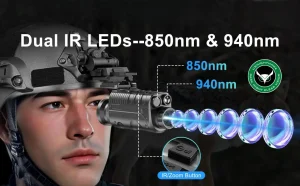
Night vision allows use in low-light or dark environments. Some binoculars have built-in infrared or image enhancement. This feature is key for night operations or surveillance.
- Check if the night vision mode is clear and sharp.
- Test how well it works in total darkness.
- Look for battery life and ease of switching modes.
- Consider if the weight increases significantly.
Accessory Compatibility
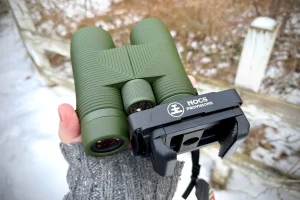
Military binoculars often support extra gear. Common accessories include tripods, lens covers, and smartphone adapters. Compatibility can enhance usability and protection.
| Accessory | Purpose | Check Before Buying |
|---|---|---|
| Tripod Mount | Stable viewing | Fits standard tripod sizes |
| Lens Covers | Protect lenses from damage | Easy to attach and remove |
| Smartphone Adapter | Capture images through lenses | Compatible with your phone model |
Field Testing Tips
Testing military binoculars in the field helps you find the best pair. You can check how they perform in real conditions. This guide shows easy ways to test them before buying.
Try different tests to see how clear the image is. Also, check comfort and durability. These tips make sure you pick binoculars that fit your needs.
Testing At Various Distances
Look through the binoculars at objects near and far. This shows how well they focus on different ranges. Try to see details clearly at close and long distances.
Check if the image stays sharp when you switch from one distance to another. Good military binoculars adjust quickly and keep the view clear.
- Focus on objects within 10 feet
- Look at mid-range targets about 100 yards away
- Test clarity on distant objects over 500 yards
Simulating Real-world Scenarios
Use the binoculars in situations like those you expect to face. For example, try them in low light or bad weather. This shows how they work in tough conditions.
Try spotting moving targets or objects hidden by trees or bushes. This helps you see if the binoculars are useful for your activities.
- Test in daylight and at dusk
- Use them during light rain or fog
- Try tracking moving people or animals
- Check performance through obstacles like branches
Comparing Multiple Models Side-by-side
Look at two or more binoculars at the same time. Compare their views to see which one is clearer and brighter. Check weight and comfort by holding each pair.
Note differences in focus speed, field of view, and ease of use. This helps you choose the model that fits your needs best.
| Feature | Model 1 | Model 2 | Model 3 |
|---|---|---|---|
| Image Clarity | Clear | Very Clear | Clear |
| Weight | Light | Medium | Heavy |
| Focus Speed | Fast | Medium | Slow |
| Comfort | Good | Very Good | Fair |
Budget And Warranty Insights
Choosing military binoculars requires careful thought about price and protection. You want a pair that fits your budget and offers good quality. At the same time, a solid warranty can save you money on repairs or replacements.
Testing binoculars before buying helps you balance these factors. You can avoid spending too much or ending up with weak products. Let’s explore how to think about cost and warranty when testing military binoculars.
Balancing Cost And Quality
Military binoculars vary widely in price. Low-cost models may seem attractive but might lack durability or clear vision. High-end models offer better features but can be costly. Testing lets you find the best value for your money.
- Check the clarity of the lenses in different light conditions.
- Test the binoculars’ weight and comfort for long use.
- Look for sturdy construction and waterproof sealing.
- Compare several models at your price range before deciding.
- Read reviews for real user experiences on durability and clarity.
Warranty And Customer Support
A good warranty offers peace of mind. It covers defects and damage for a set time. Customer support helps you fix problems quickly. Both are important for military binoculars that face tough conditions.
| Warranty Feature | Why It Matters | What to Check |
| Duration | Longer coverage protects your investment | Look for at least 2 years |
| Coverage | Covers defects and accidental damage | Read terms carefully for exclusions |
| Customer Support | Fast help for repairs or questions | Check contact options and response times |
Frequently Asked Questions
How Do I Check The Clarity Of Military Binoculars?
To check clarity, look through the binoculars at various distances. Ensure the image is sharp and details are clear without distortion. Test in different lighting conditions for consistent performance.
What Is The Best Way To Test Binoculars’ Durability?
Assess durability by inspecting the build quality and materials. Check for waterproof and shockproof features. Gently shake or tap them to ensure no loose parts or rattling sounds.
How Can I Verify The Binoculars’ Field Of View?
Look through the binoculars and observe a wide scene. The field of view should be broad and cover a large area. Compare specifications with actual viewing experience to confirm accuracy.
Why Is Eye Relief Important In Military Binoculars?
Eye relief affects comfort during extended use and compatibility with glasses. Test binoculars by adjusting distance from your eyes. Ensure you have a clear view without straining or cutting off vision.
Conclusion
Testing military binoculars before buying saves money and avoids mistakes. Check the lens clarity, focus speed, and durability carefully. Make sure they work well in low light and rough weather. Try the grip and weight to feel comfortable. Remember, good binoculars last long and help you see clearly.
Take your time to test each feature step by step. This way, you get the best binoculars for your needs.