Have you ever watched a child’s eyes light up when they discover something new? Teaching kids to use binoculars can turn a simple walk into an exciting adventure full of discovery.
But how do you make sure they learn quickly and safely? You’ll find easy steps to help your child handle binoculars with confidence. By the end, you’ll have all the tips you need to spark their curiosity and make every outdoor moment unforgettable.
Keep reading—you’re just a few steps away from turning your little explorer into a pro!
Choosing The Right Binoculars
Teaching kids to use binoculars starts with picking the right pair. Good binoculars make learning fun and easy.
There are many types of binoculars. Choose ones that fit your child’s needs and abilities.
Size And Weight Considerations
Binoculars should be light and small enough for kids to hold easily. Heavy or large binoculars can tire their hands quickly.
Look for compact models that fit small hands. This helps kids keep steady views and stay interested.
- Choose binoculars under 1 pound (450 grams)
- Pick compact sizes for better grip
- Consider models with rubber grips for comfort
Magnification And Lens Features
Lower magnification is better for kids. It makes it easier to find and follow objects without shaking.
Look for binoculars with clear lenses and wide views. These features help kids see more and enjoy nature.
- Choose 6x to 8x magnification for easy viewing
- Wide lens diameter for brighter images
- Multi-coated lenses improve clarity
Durability And Safety
Kids need binoculars that can handle drops and rough use. Durable materials protect the lenses and body.
Safety features like rubber covers and neck straps help prevent accidents and keep binoculars secure.
- Look for rubber armor to protect from bumps
- Water-resistant or waterproof models last longer
- Include a neck strap to avoid drops
Introducing Binoculars To Kids
Binoculars help kids see faraway things clearly. They can explore nature and enjoy outdoor activities.
Teaching kids to use binoculars makes their adventures more fun and educational.
Explaining Basic Parts
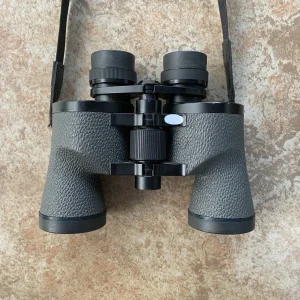
Start by showing kids the main parts of binoculars. Explain what each part does in simple words.
- Eyepieces: where you look through
- Objective lenses: the big lenses that face away
- Focus wheel: adjusts clarity
- Body: holds all parts together
- Neck strap: keeps binoculars safe
Showing How To Hold Them
Teach kids the right way to hold binoculars. This helps them see steady and clear images.
Use these tips for holding binoculars:
- Hold binoculars with both hands
- Place your elbows close to your body
- Keep binoculars at eye level
- Use the neck strap for safety
Simple Demonstrations
Show kids how to adjust the focus wheel. Let them practice until the view is clear.
Try these easy demonstrations:
- Look at a nearby object and adjust focus
- Try spotting a bird or tree far away
- Switch between using one eye and both eyes
- Practice holding steady without shaking
Teaching Focus And Adjustment
Teaching kids how to use binoculars helps them explore nature. They learn to focus and see clearly through the lenses.
Focus and adjustment are key skills. These steps help children use binoculars properly and enjoy their experience.
Adjusting The Eye Distance
Start by teaching kids to change the space between the binocular eyepieces. This matches the distance between their eyes.
- Hold the binoculars up to the eyes.
- Move the two barrels closer or farther apart.
- Stop when they see a single, clear circle.
- Practice until the image is easy to view.
Using The Focus Wheel
Show children how to turn the focus wheel to sharpen the image. Explain that small turns make big changes in clarity.
| Focus Wheel Action | Effect |
|---|---|
| Turn slowly clockwise | Image becomes sharper |
| Turn slowly counterclockwise | Image adjusts for different distances |
| Stop when image is clear | View is comfortable and focused |
Practicing With Nearby Objects
Practice helps kids learn focus and adjustment skills. Start with objects close by, like toys or books.
Use this practice routine:
- Choose a nearby object about 10 feet away.
- Look through the binoculars and adjust eye distance.
- Turn the focus wheel to make the object clear.
- Switch to objects at different distances.
- Repeat the steps until the child feels confident.

Credit: www.theottoolbox.com
Fun Activities To Practice
Teaching kids to use binoculars can be exciting with fun activities. These activities help improve their focus and observation skills outdoors.
Kids learn best when they explore and play. Try these simple and enjoyable ways to practice using binoculars.
Bird Watching
Bird watching is a great way to teach kids how to use binoculars. Start in your backyard or a local park. Show them how to hold the binoculars steady and look for birds.
- Choose a quiet spot to avoid scaring birds away.
- Point out different bird colors and shapes.
- Encourage kids to count how many birds they see.
- Use a simple bird guidebook to identify species.
Nature Scavenger Hunt
A nature scavenger hunt makes binocular use exciting. Kids can search for specific items using their binoculars. This activity improves their observation and patience.
| Item to Find | Hint |
| Red flower | Look near bushes or garden edges |
| Tree bird’s nest | Scan tall trees with binoculars |
| Butterfly | Watch near colorful flowers |
| Rock shaped like a heart | Look on the ground carefully |
| Cloud that looks like an animal | Watch the sky for shapes |
Outdoor Storytelling
Use binoculars to inspire outdoor storytelling. Kids can look far away and imagine stories about what they see. This activity encourages creativity and attention to detail.
Try asking questions like:
- What do you think that bird is doing?
- Can you describe the shape of that tree?
- What stories can you make about the animals you see?
Safety Tips For Using Binoculars
Teaching kids to use binoculars is fun and educational. Safety is important to protect their eyes and the binoculars.
Follow simple rules to keep children safe and help them enjoy using binoculars properly.
Avoiding Sun Damage
Never let kids look directly at the sun through binoculars. This can cause serious eye injury.
Explain to children that binoculars focus light, which can hurt their eyes if they look at bright light sources.
- Tell kids to never point binoculars at the sun.
- Use binoculars only in safe lighting conditions.
- Supervise children outdoors to ensure safe use.
Handling With Care
Teach kids to hold binoculars with both hands. This keeps the binoculars steady and prevents drops.
Show children how to carry binoculars using the neck strap. This stops binoculars from falling and breaking.
- Hold binoculars with two hands.
- Use the neck strap when walking or moving.
- Do not swing or toss binoculars.
- Handle lenses gently to avoid scratches.
Storage And Maintenance
Store binoculars in a dry, safe place after use. This protects them from dust and damage.
Clean lenses with a soft cloth only. Avoid using rough materials that can scratch the glass.
- Keep binoculars in a case when not in use.
- Wipe lenses with a microfiber cloth.
- Do not expose binoculars to water or extreme heat.
- Check binoculars regularly for damage.

Credit: m.youtube.com
Encouraging Curiosity And Exploration
Teaching kids to use binoculars helps them see the world in a new way. It also encourages them to explore and learn about their surroundings.
Using binoculars can spark curiosity and make outdoor activities more exciting. Children learn to observe details and ask questions about what they see.
Asking Questions
Encourage kids to ask questions about what they observe through the binoculars. Questions help them think deeply and understand nature better.
Guide children to wonder about animals, plants, and objects they spot. Ask them what they notice and what they want to learn more about.
- What colors do you see?
- How far away is it?
- What is it doing?
- Have you seen this before?
Sharing Discoveries
Help kids share what they find with family or friends. Talking about discoveries makes the experience more fun and meaningful.
Encourage children to describe what they saw and why it caught their attention. This practice builds communication skills and excitement.
- Describe the animal or plant you saw
- Explain what it was doing
- Draw a picture of your discovery
- Tell a story about what you observed
Planning Outdoor Adventures
Plan trips to parks, forests, or gardens where kids can use binoculars safely. Outdoor trips make learning fun and hands-on.
Prepare a checklist of things to spot. This helps children focus and feel excited about the adventure ahead.
- Birds, insects, or animals to find
- Types of trees or flowers
- Interesting shapes or colors
- Clouds or sky patterns

Credit: m.youtube.com
Frequently Asked Questions
How Do I Introduce Binoculars To Kids Safely?
Start by explaining binocular parts and their functions simply. Supervise usage to avoid eye strain. Use lightweight, kid-friendly models to ensure comfort and safety.
What Activities Help Kids Learn Binocular Use?
Birdwatching, nature walks, and sports events engage kids. These activities make learning fun and practical. Encourage observation and sharing discoveries to boost interest.
How Can I Teach Kids To Focus Binoculars Correctly?
Show kids how to adjust the center wheel slowly. Teach them to focus on distant objects first. Practice regularly to improve their skills and confidence.
What Age Is Best For Kids To Use Binoculars?
Kids aged 5 and above usually handle binoculars well. Choose age-appropriate sizes and designs. Early exposure helps develop observation skills and curiosity about nature.
Conclusion
Teaching kids to use binoculars can be fun and simple. Start with basic steps and show them how to hold the binoculars steady. Let them practice focusing on nearby objects first. Encourage curiosity by exploring nature together. Always remind kids to be gentle with the equipment.
Watching birds or animals becomes more exciting this way. With patience and practice, children will enjoy using binoculars more. This skill helps them see the world in a new way. Keep the experience light and playful to maintain their interest.