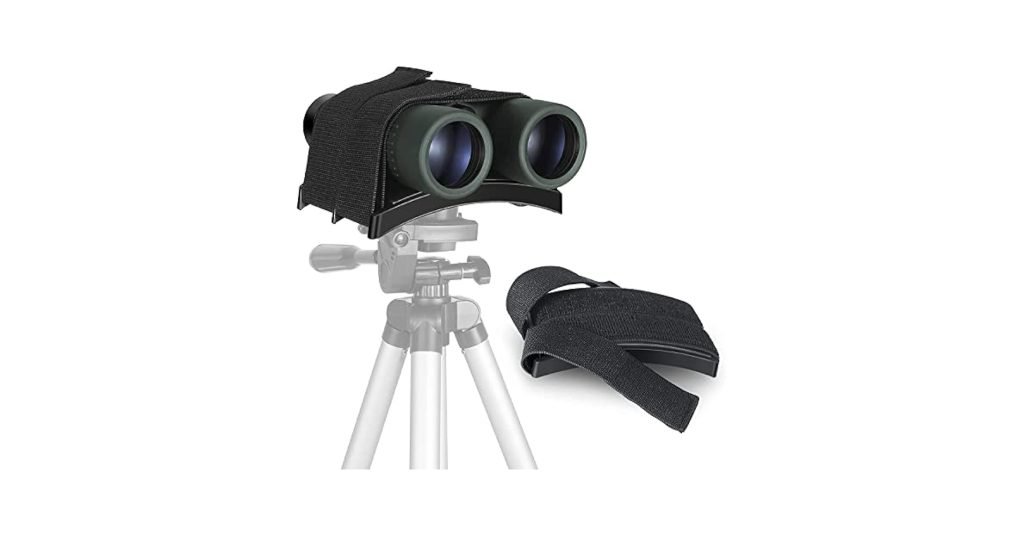
You’ve invested in tripod compatible binoculars because you want clear, steady views every time you use them. But how you store these valuable tools can make all the difference in keeping them sharp and ready for your next adventure.
If you want to protect your binoculars from damage, dust, and moisture, you need to know the right storage tips. You’ll discover simple, effective ways to keep your binoculars safe and in perfect condition. Keep reading—your binoculars will thank you for it!

Credit: www.amazon.com
Choosing The Right Storage Location
Choosing the right place to store tripod compatible binoculars is very important. Indoor storageis usually safer. It protects binoculars from rain, dust, and direct sunlight. A dry room with stable temperature is best.
Outdoor storagecan cause damage due to weather changes and humidity. Moisture can lead to mold inside the lenses. Dust can scratch the glass. Avoid places with strong sunlight or heavy wind.
| Climate Control | Why It Matters |
|---|---|
| Stable Temperature | Prevents lens fogging and damage to internal parts |
| Low Humidity | Stops mold and rust from forming |
| Good Ventilation | Reduces moisture build-up and keeps binoculars dry |
Keep binoculars away from heat sources like heaters. Use silica gel packets to absorb moisture inside the storage box. This helps keep them safe and ready for use.
Preparing Binoculars For Storage
Keep binoculars clean before storing. Use a soft cloth to wipe lenses gently. Avoid harsh chemicals; use lens cleaner if needed. Remove dirt and dust from all parts carefully. Check for any moisture inside and dry it out.
For maintenance, tighten loose screws and oil moving parts lightly. Keep rubber grips and seals in good shape by cleaning them with mild soap and water. Store binoculars in a dry place to avoid mold and rust.
Remove tripod attachments before storing. Unscrew or detach the tripod mount carefully. Store these parts separately in a small bag or box to avoid losing them. This keeps both binoculars and attachments safe from damage.
Protective Cases And Covers
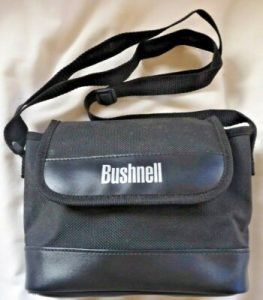
Choosing the right caseprotects binoculars from scratches, dust, and shocks. Look for a case made of durable materialslike nylon or hard plastic. The case should fit your binoculars snugly to avoid movement inside. A soft padded interior adds extra protection.
Dust and moisture covers help keep lenses clean and clear. Use covers made from water-resistant fabricto stop moisture from damaging lenses. These covers are lightweight and easy to carry. Always cover your binoculars after use to avoid dust build-upand water spots.

Credit: store.theshootingcentre.com
Organizing Storage Space
Using sturdy shelvesor cabinetskeeps tripod compatible binoculars safe. Place them in a dryand dust-freearea. Choose shelves with enough spaceto avoid scratches or damage.
Keep binoculars in their original casesor padded holders. This prevents dust and accidental drops. Cabinets with lockable doorsadd extra protection.
- Label each shelf or cabinet clearly.
- Write down the binocular model and tripod type.
- Keep an inventory listto track all items.
- Update the list when adding or removing binoculars.
Good organizationsaves time and protects your gear. It helps to find binoculars quickly when needed.
Avoiding Common Storage Mistakes
Protecting the lenses is key to keeping binoculars clear and sharp. Use soft lens caps or covers whenever the binoculars are not in use. Avoid wiping lenses with rough cloths; instead, choose microfiber cloths made for glass cleaning. Store binoculars in a padded case to prevent accidental knocks and scratches.
Humidity can harm binoculars by causing mold and fog inside lenses. Keep them in a dry place away from damp areas. Using silica gel packs inside the storage case helps absorb moisture. Avoid storing binoculars in places like bathrooms or basements where humidity is high.

Credit: www.amazon.com
Regular Inspections And Upkeep
Regular checks keep your binoculars in good condition. Set a schedulefor cleaning and inspecting them. Wipe lenses gently with a soft cloth to avoid scratches.
Look closely for wear and tearon the body and straps. Loose screws or cracks can cause damage. Tighten screws carefully and replace worn parts soon.
- Clean lenses with a microfiber cloth.
- Check for cracks or loose parts.
- Tighten screws and bolts.
- Replace damaged straps or covers.
- Store in a dry, padded case.
Frequently Asked Questions
How Do I Protect Tripod Binoculars From Moisture?
Store binoculars in a dry, airtight case with silica gel packs. Avoid humid areas to prevent mold and damage.
Can I Leave Binoculars Mounted On A Tripod For Storage?
It’s best to detach binoculars from the tripod. Store them separately to avoid pressure damage and dust accumulation.
What’s The Best Temperature For Storing Binoculars?
Keep binoculars in a cool, stable environment between 40°F and 70°F. Avoid extreme heat or freezing temperatures to protect lenses and coatings.
How Should I Clean Binoculars Before Storing Them?
Use a soft microfiber cloth to wipe lenses gently. Avoid harsh chemicals; use lens cleaner specifically designed for optics.
Conclusion
Storing tripod compatible binoculars properly keeps them safe and working well. Use a sturdy case to protect from dust and damage. Keep them in a dry place to avoid moisture problems. Clean lenses gently before storage for clear views next time.
Secure all parts tightly to prevent scratches or loosening. Regular care helps your binoculars last longer and perform better. Small steps make a big difference in protecting your gear. Safe storage means you enjoy clear sights on every trip.