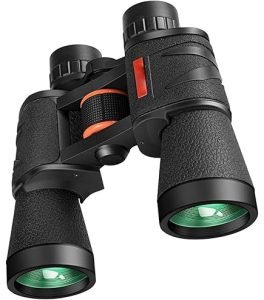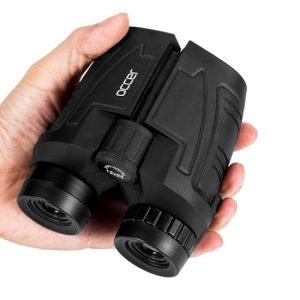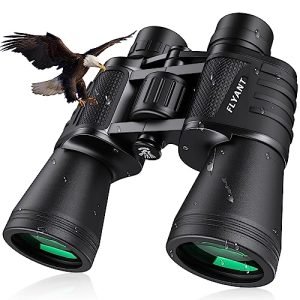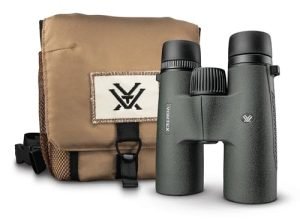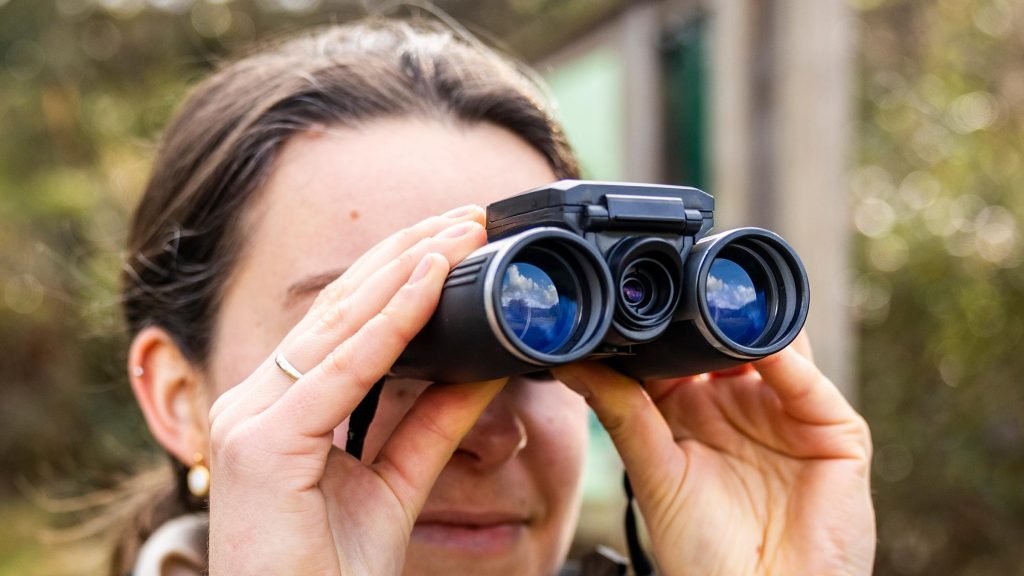
You’ve invested in your surveillance binoculars, and now winter is coming. But how do you make sure they stay in perfect condition until you need them again?
Storing your binoculars properly during the cold months can save you from costly damage and frustration. You’ll discover simple, effective ways to protect your gear from moisture, frost, and dust. Keep reading to learn the easy steps that will keep your binoculars ready for action when the season changes.
Don’t let winter catch you off guard—your binoculars deserve the best care.
Preparing For Winter Storage
Start by wiping the lenses gently with a soft cloth to remove dust. Use a lens cleaner made for optics to avoid scratches. Clean the body with a damp cloth to remove dirt and grime.
Check the binoculars carefully for any damage. Look for cracks, loose parts, or worn-out seals. Small problems can get worse during winter.
Make sure all moving parts work smoothly. Tighten any loose screws carefully. Replace worn-out rubber parts if needed.

Credit: www.facebook.com
Choosing The Right Storage Location
Storing surveillance binoculars in a temperature-controlled environmenthelps protect them from damage. Avoid places where temperatures drop too low or rise too high. Sudden changes in temperature can harm the lenses and internal parts.
Humidity can cause mold and rustinside binoculars. Keep them in a dry place. Use silica gel packs or other moisture absorbers to reduce humidity. Avoid storing binoculars in damp basements or near windows.
- Choose a room with stable temperatures between 50°F and 77°F (10°C – 25°C)
- Keep binoculars away from heaters, fireplaces, or air conditioners
- Store binoculars in a sealed case with moisture absorbers
- Check humidity levels and avoid places above 60% humidity
Protective Cases And Covers
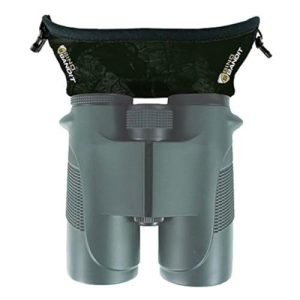
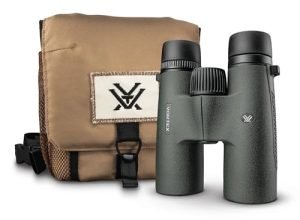
Choose a durable caseto protect binoculars from cold and moisture. Look for cases made of hard plasticor water-resistant fabric. These materials keep binoculars safe and dry.
Make sure the case has soft paddinginside. Padding prevents scratches and absorbs shocks. A snug fit stops binoculars from moving inside the case.
Lens covers are a must-have. They protect lenses from dust, dirt, and frost. Always place the covers on lenses before storing binoculars.
- Use clean, dry lens coversto avoid scratches.
- Keep extra covers in the case for quick replacement.
- Check covers for cracks or damage regularly.
Preventing Moisture Damage
Silica gel packsabsorb moisture inside the binocular case. Place several packs around the lenses and inside the storage box. These packs keep the air dry and stop fog and moldfrom forming. Remember to replace silica gel packs when they become saturated.
Perform regular checks for condensationon the lenses and inside the case. Open the case in a dry room and look for any drops of water. Wipe any moisture gently with a soft cloth. Avoid storing binoculars in damp places like basements or garages.
Maintaining Binoculars During Storage
Regular checks keep binoculars in good condition. Look for dust, dirt, or moisture on lenses and body. Wipe gently with a soft cloth. Make sure no parts are loose or broken.
For electronic models, batteriesneed special care. Remove batteries before storing to prevent leaks. Store batteries separately in a cool, dry place. Check batteries every few months to avoid corrosion or damage.
Keep binoculars in a dry, cool environment. Avoid places with high humidity or extreme cold. Use a protective case to shield from dust and scratches.

Credit: www.amazon.ca
Preparing Binoculars For Use After Winter
Before using binoculars after winter, start with a thorough cleaning. Dust, dirt, and moisture can build up during storage. Use a soft cloth to wipe the lenses gently. Avoid using harsh chemicals; a lens cleaner made for optics is best. Clean the body with a dry cloth to remove any grime. Check for mold or fungus on the lenses, which can damage the glass.
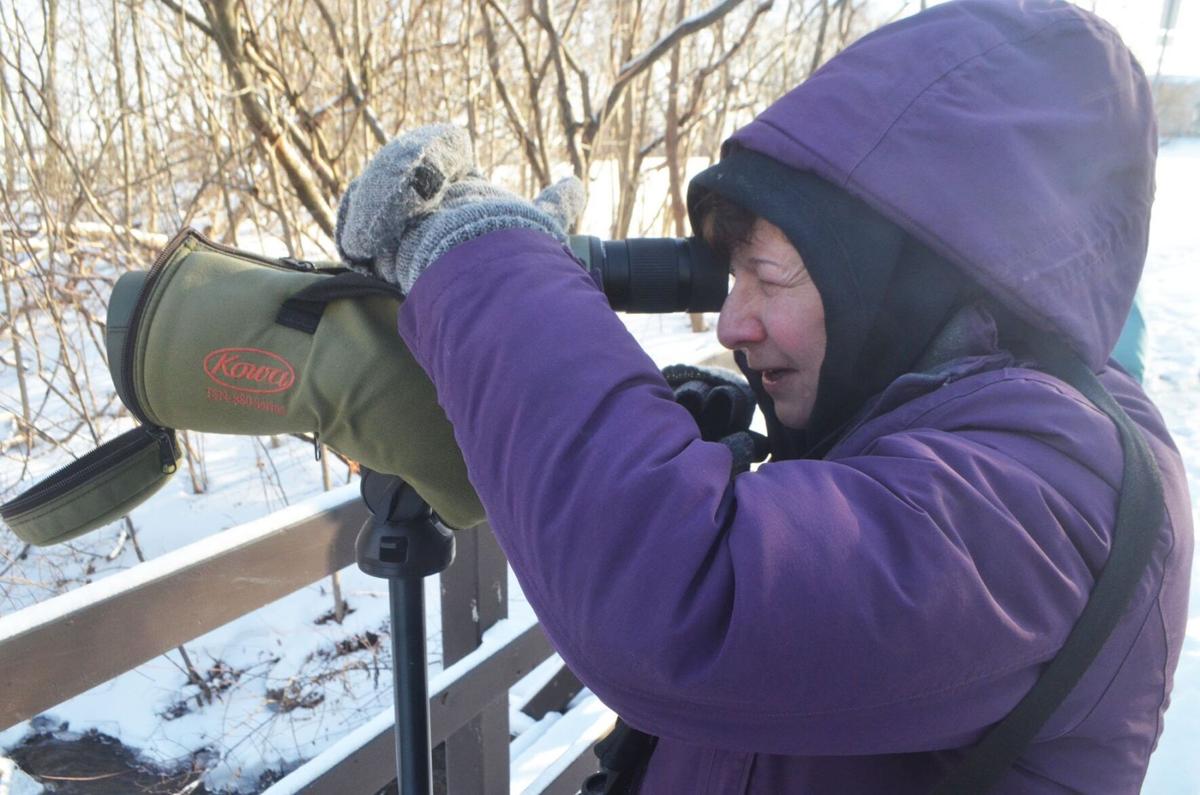
Next, perform a functionality test. Make sure the focus wheel turns smoothly. Check that the binoculars open and close without sticking. Look through the lenses to confirm the view is clear. Test any special features like night vision or image stabilization. Fix small issues before heading out. This helps avoid surprises during your outdoor activities.
Credit: www.wellandtribune.ca
Frequently Asked Questions
How To Protect Binoculars From Winter Moisture?
Store binoculars in a dry, airtight container with silica gel packets. This prevents moisture buildup and lens fogging. Avoid exposing them to extreme temperature changes to protect internal components.
Should I Remove Batteries Before Winter Storage?
Yes, always remove batteries to prevent leakage and corrosion. Store batteries separately in a cool, dry place. This ensures your binoculars remain damage-free during the winter months.
What Is The Best Temperature For Storing Binoculars?
Keep binoculars in a stable, cool environment between 40°F and 70°F. Avoid freezing temperatures and direct heat sources to maintain optical and mechanical integrity.
How To Clean Binoculars Before Winter Storage?
Use a soft brush or microfiber cloth to remove dust. Clean lenses with lens cleaner and a gentle cloth. Ensure binoculars are completely dry before storing to prevent mold.
Conclusion
Properly storing your surveillance binoculars keeps them safe and ready. Clean lenses and dry them well before storage. Use a sturdy case to protect from dust and moisture. Keep them in a cool, dry place away from sunlight. Check them occasionally to avoid mold or damage.
Small steps help your binoculars last many winters. Care now means better views later. Simple habits make a big difference. Take time to protect your gear. Your binoculars will thank you next season.