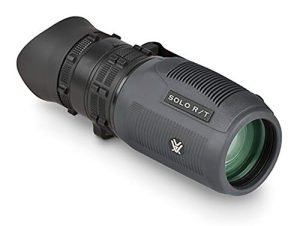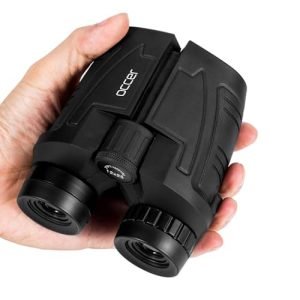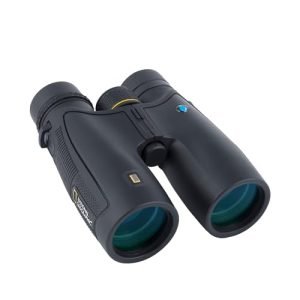
You’ve just finished an amazing birdwatching session, and your monocular has been your trusty companion. But what’s next?
How you store your monocular after use can make all the difference in keeping it clear, sharp, and ready for your next adventure. If you want to protect your gear and ensure it lasts for years, you need to know the right steps.
Keep reading, and you’ll discover simple, practical tips to store your monocular the right way—so it stays in perfect condition every time you reach for it.

Credit: www.amazon.com
Cleaning And Maintenance
Remove dust and debris gently to protect the lenses. Use a soft brush or a blower to clear loose particles. Avoid wiping lenses when dust is present; this can cause scratches.
Clean the lenses with a microfiber cloth designed for optics. Lightly dampen the cloth with lens cleaner or water if needed. Avoid household cleaners as they can damage lens coatings.
Always store monoculars in a dry, dust-free case after cleaning. Keep lens caps on to prevent scratches and dirt buildup.
| Lens Care Tips | Reasons |
|---|---|
| Use a soft brush or blower | Prevents scratches caused by rubbing dust |
| Wipe with microfiber cloth | Removes smudges without harming lens coating |
| Store with lens caps on | Protects lenses from dust and damage |

Credit: www.bhphotovideo.com
Proper Storage Environment
Store monocularsin a cool, dry place to keep them safe. High humiditycan cause mold and damage lenses. Too much heat can harm the internal parts.
Keep monoculars away from direct sunlight. Sunlight can fade the body and damage the lens coatings. A shaded or covered spot is best.
- Ideal temperature: 50°F to 77°F (10°C to 25°C)
- Humidity level: 30% to 60%
- Avoid leaving monoculars in cars or hot rooms
- Use a protective case to block sunlight and dust
Storage Solutions
Using a case or coverhelps protect monoculars from dust and scratches. Soft covers are light and easy to carry. Hard cases offer more protection but can be bulkier. Make sure the case fits your monocular snugly to avoid movement inside. Some covers come with a belt loop for easy carrying during walks.
Dedicated storage spaces keep your monocular safe at home. A drawer or shelf free from moisture is ideal. Avoid places with direct sunlight or extreme heat. Store the monocular in its case to keep it clean and ready for the next use. Label the storage spot so you always know where to find it.
Preventing Damage
Always handle your monoculars gentlyto avoid damage. Hold them by the body, not the lenses or moving parts. Avoid placing any heavy objects on top of the monoculars. Pressure can cause misalignment or cracks.
Store monoculars in a soft case or padded bag. This protects against scratches and bumps. Keep the case in a dry place to prevent moisture buildup. Moisture can cause mold or rust on the lenses and metal parts.
- Do not squeeze or press the monocular hard.
- Keep the lens caps on when not in use.
- Store away from direct sunlight or heat sources.
Long-term Storage Tips
Regularly check your monocularsfor dust, moisture, or damage. Clean lenses gently with a soft cloth. Look for signs of mold or rust on metal parts. Store them in a dry, cool placeto avoid damage. Use silica gel packs to reduce moisture inside the storage case.
Before storing for a long time, remove batteries if any. This prevents battery leaks that can harm the device. Wrap the monocular in a soft cloth or place it in its original case. Keep it away from direct sunlight or extreme temperatures.

Credit: www.amazon.com
Common Mistakes To Avoid
Using rough cloth or paper towels can scratch the lenses. Always use a soft, clean microfiber cloth for cleaning. Avoid using household cleaners or soaps as they may damage lens coatings. Instead, use cleaning solutions made for optics.
Skipping regular maintenance leads to dust buildup and mold inside. Clean the monocular after every birdwatching trip to keep it in good shape. Store it in a dry place with silica gel packets to absorb moisture. Check the lenses and moving parts for dirt and dust regularly.
Frequently Asked Questions
How Should I Clean Monoculars Before Storing?
Always wipe lenses with a microfiber cloth to remove dust. Use a soft brush for dirt. Avoid harsh chemicals to protect coatings.
What Is The Best Storage Place For Monoculars?
Store monoculars in a cool, dry place. Avoid humid or hot areas to prevent mold and damage. Use a protective case for safety.
Should I Remove Batteries Before Storing Monoculars?
Yes, remove batteries if your monocular uses them. This prevents battery leakage and corrosion during long storage periods.
How Do I Protect Monoculars From Moisture After Birdwatching?
Use silica gel packets inside the storage case. They absorb moisture and prevent mold buildup on your monocular.
Conclusion
Storing your monoculars properly keeps them safe and ready to use. Always clean lenses gently before storing. Use a soft pouch or case to protect from dust and scratches. Keep them in a dry place to avoid moisture damage. Regular care helps your monocular last longer.
Enjoy clear views every time you go birdwatching. Simple steps make a big difference. Take care, and your gear will stay in great shape.