Have you ever taken your binoculars out for a nature walk or a sports event, only to find water or fog inside the lenses? It’s frustrating when your trusty binoculars let in moisture because the waterproof seals are damaged.
But don’t worry—you don’t have to buy a new pair or send them off for expensive repairs. You’ll discover simple, step-by-step ways to repair the waterproof seals in your binoculars. By the end, you’ll know exactly how to protect your gear and enjoy clear, sharp views no matter the weather.
Keep reading to save your binoculars and get back to seeing the world clearly!
Signs Of Damaged Seals
Water droplets inside lenses are a clear sign of leaks. Blurry images might appear due to trapped moisture. Unusual sounds may come from loose parts. These symptoms show seals need repair. Look for visible cracks in seals around the binoculars. Check for dampness in the casing after rain exposure.
Damaged seals can make images appear foggy or unclear. Moisture trapped inside can damage sensitive components. This reduces the lifespan of your binoculars. Water damage can cause parts to rust or corrode. Your binoculars may not focus properly. Seals keep out dust and dirt, too. Broken seals let them in, affecting clarity.

Credit: www.hodgesmarine.com
Tools And Materials Needed
Basic toolsfor repairing waterproof seals include a small screwdriver, a plastic pry tool, and a clean cloth. A magnifying glasshelps spot tiny damages. Keep your workspace clean and dry.
Use sealantsmade for optics or electronics. Silicone-based adhesiveswork well because they stay flexible and waterproof. Avoid glue that dries hard or cracks.
| Essential Repair Tools | Recommended Sealants and Adhesives |
|---|---|
| Small screwdriver set | Silicone adhesive |
| Plastic pry tool | UV-curing glue |
| Magnifying glass | Rubber gasket sealant |
| Clean, lint-free cloth | Waterproof silicone sealant |
Preparing Binoculars For Repair
Start by wiping the binoculars with a soft cloth to remove dirt. Use a gentle brush for hard-to-reach areas. Make sure the binoculars are completely dry before opening them. Moisture can damage the inside parts.
To dry, leave the binoculars in a warm, dry place. Avoid direct sunlight or heat sources that may cause damage. Patience is key. Let the moisture evaporate naturally.
- Work on a clean, flat surface to avoid losing small parts.
- Use a small screwdriver designed for electronics.
- Keep track of screws and parts by placing them in a container.
- Do not force any parts open; gentle pressure is best.
- Remember the order of disassembly for easier reassembly.
Removing Old Seals
Old seals must be removed carefully to avoid damage. Use a plastic or wooden tool to gently lift the edges. Metal tools can scratch or break delicate parts. Sometimes, soft heat from a hair dryer helps loosen the seal. Avoid using too much heat to protect the binoculars.
Keep the binoculars steady on a soft cloth while working. Avoid pressing too hard on the lenses or body. Small screws might hold the seal in place; loosen them gently with a proper screwdriver. Remember, patience is key. Rushing can cause harm.
Applying New Waterproof Seals
Choosing the right seal material is very important for binoculars. Look for siliconeor rubberseals. These materials are flexibleand water-resistant. They help keep water and dust out. Avoid hard or brittle materials because they may crack. The size should fit the binocular frame perfectly to ensure a tight seal. A poor fit can let water in and damage the optics.
Follow these steps to install a new seal:
- Clean the surface where the old seal was removed.
- Cut the new seal to the correct length.
- Place the seal carefully along the groove or edge.
- Press it down firmly to make sure it sticks well.
- Check for any gaps or loose areas and fix them.
- Let the seal set for a few hours before use.

Credit: www.chmarine.com
Testing For Waterproof Integrity
Testing the waterproof sealsensures your binoculars stay dry inside. A simple way is to fill a clear container with water. Submerge the binoculars briefly without pressing buttons or moving parts. Watch for any bubblesescaping from seals. Bubbles mean air leaks, so water might enter.
Another test uses a dry paper towel. Put it inside the eyepiece area before sealing the binoculars in a plastic bag. Leave the bag in water for 10 minutes. If the towel is wet afterward, the seals failed.
| Common Issue | Possible Cause | Troubleshooting Tip |
|---|---|---|
| Fogging inside lenses | Seal leaks or moisture trapped | Dry binoculars in warm, dry place |
| Water inside binoculars | Damaged or worn seals | Replace seals or get professional repair |
| Air bubbles near seals | Seal not tight or cracked | Check and reseal with waterproof glue |
Maintenance Tips For Longevity
Check the binocular seals regularly for cracks or wear. Look closely at the edges and joints. Small tears can let moisture inside. Clean the seals gently with a soft cloth to remove dirt. Avoid using harsh chemicals that can damage the seals.
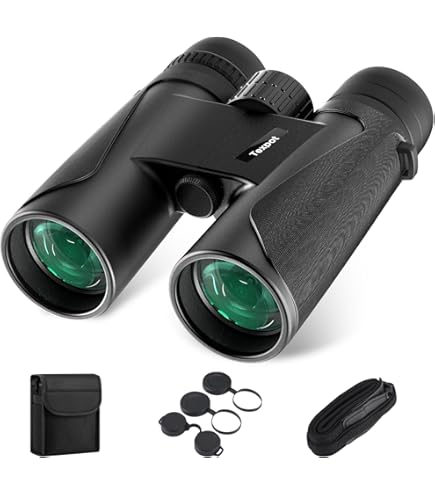
Store binoculars in a cool, dry place. Keep them away from direct sunlight and extreme heat. Use a protective case to avoid dust and scratches. Avoid storing binoculars in very humid areas as moisture can damage the seals and lenses.
| Storage Tip | Reason |
|---|---|
| Use protective case | Keeps dust and dirt away |
| Keep in dry place | Prevents moisture damage |
| Avoid direct sunlight | Protects seals from heat damage |
Credit: www.amazon.ca
Frequently Asked Questions
How Do I Identify A Damaged Waterproof Seal In Binoculars?
Check for fogging or moisture inside the lenses. Also, inspect the rubber seals for cracks or wear. Damaged seals let water in, affecting clarity and function.
What Materials Are Best For Repairing Binocular Waterproof Seals?
Use silicone-based sealants or waterproof adhesives. These materials create flexible, durable seals that prevent water ingress. Avoid using standard glue, as it may damage the binoculars.
Can I Repair Waterproof Seals On Binoculars Myself?
Yes, minor seal repairs can be done at home with care. Use proper tools and materials, and follow step-by-step guides. For complex damage, professional repair is recommended.
How Long Does A Waterproof Seal Repair Last On Binoculars?
A properly done repair can last several years. Longevity depends on sealant quality and usage conditions. Regular maintenance helps extend the seal’s effectiveness.
Conclusion
Repairing waterproof seals in binoculars keeps them safe from water damage. Clean the seals gently and apply the right sealant carefully. Check the seals regularly to avoid leaks and fogging. Small repairs save money and extend your binoculars’ life. Take your time and follow steps closely.
Enjoy clear, dry views every time you use your binoculars. Simple care makes a big difference in performance and durability. Keep your binoculars ready for any outdoor adventure.