Have your hiking binoculars stopped working just when you needed them most? It’s frustrating to miss out on clear views of nature because of a simple glitch.
But before you think about buying new ones, what if you could fix them yourself? You don’t need to be a tech expert or spend a fortune. In this guide, you’ll learn easy steps to repair your hiking binoculars and get back to enjoying sharp, clear sights on your next adventure.
Keep reading—you’ll be surprised how simple it can be to bring your binoculars back to life.
Common Issues With Hiking Binoculars
Blurry visionis a common problem in hiking binoculars. It often means the lenses need cleaning or the focus needs adjustment. Dirt, fog, or scratches on lenses can cause blurry views. Use a soft cloth to clean lenses gently. Avoid using rough materials that can scratch the glass.
Loose eyepiecescan make the binoculars hard to use. Check if the eyepieces are tightly fixed. If they move or wiggle, tighten the screws or twist the eyepiece carefully. Loose parts can let dust in and damage internal parts.
Damaged lens coatingaffects the quality of images. The coating helps reduce glare and improve clarity. Scratches or peeling coating needs expert repair. Avoid touching lenses with fingers to protect the coating.

Credit: www.facebook.com
Essential Tools For Binocular Repair
Precision screwdriversare essential for opening small screws on binoculars. They help avoid damage during repair. A set with various sizes covers most types of screws found in binoculars.
Lens cleaning kitskeep lenses clear and scratch-free. These kits include microfiber cloths, cleaning solution, and brushes. Clean lenses improve the view and prevent long-term damage.
Repair manualsprovide step-by-step guides. They show how to disassemble and reassemble parts safely. Manuals also explain common problems and fixes.
Quick Fixes For Blurry Vision
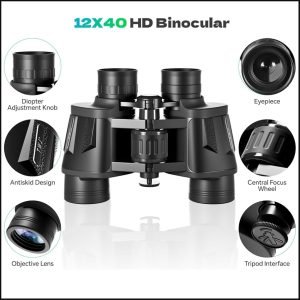
Adjust the focus by turning the center wheel slowly. Look through the binoculars while adjusting. Stop when the image becomes sharp and clear. Each eye may need separate focusing. Use the diopter ring on one eyepiece to balance vision between eyes.
Cleaning the lenses helps remove dirt and smudges. Use a soft cloth or lens cleaning tissue. Avoid using rough materials that can scratch lenses. Lightly breathe on lenses to create moisture before wiping. Use lens cleaner drops if needed but avoid harsh chemicals.
Aligning the prisms fixes blurry or double images. Check if the image splits or looks off. Gently tap the binoculars on a soft surface to realign prisms. If misalignment continues, professional repair may be needed.
Repairing Loose Eyepieces
Loose eyepieces can make your binoculars hard to use. Start by tightening the screwsaround the eyepiece gently. Use a small screwdriver and turn each screw a little bit at a time. Do not force them, or you might break the parts.
Sometimes, the eyepiece parts get damaged. You can fix this by replacing damaged partswith new ones. Check the model number of your binoculars before buying parts. This helps you get the right pieces for your device.
Eyepieces need to be properly aligned for clear vision. Checking alignmentmeans looking through the binoculars and making small adjustments. Move the eyepieces slightly until the image looks sharp and both eyes see the same picture.
Fixing Damaged Lens Coating
Coating solutionshelp fix light scratches on binocular lenses. Use a soft cloth to apply a small amount of the solution. Gently rub in a circular motion to avoid more damage. Let it dry fully before using the binoculars again.
To prevent further damage, always keep lenses clean and dry. Avoid touching lenses with fingers. Store binoculars in a padded case when not in use. Handle them carefully to avoid drops or bumps.
| Repair Option | Description | Cost |
|---|---|---|
| DIY Coating Solutions | Easy to apply at home for minor scratches. | Low |
| Professional Lens Repair | Experts clean or replace lens coatings. | Medium to High |
| Manufacturer Service | Official repair or replacement service. | High |

Credit: www.facebook.com
Maintenance Tips For Longevity
Keeping hiking binoculars clean helps them work well for a long time. Use a soft cloth to wipe lenses gently. Avoid using strong chemicals that can damage lenses. Use a small brush or air blower to remove dust from small parts.
Store binoculars in a dry place to stop rust and mold. Keep them in a padded case to avoid scratches and bumps. Do not leave binoculars in hot sun or very cold places for long periods.
Rain, dust, and snow can harm binoculars. Use rain covers or waterproof bags to protect them. Dry binoculars quickly if they get wet to stop damage. Check seals and covers often to keep weather out.

Credit: www.facebook.com
Frequently Asked Questions
How Do I Fix Blurry Images In Hiking Binoculars?
Blurry images usually indicate dirty lenses or misaligned optics. Clean lenses gently with a microfiber cloth. If blur persists, check for internal alignment issues and consider professional repair.
What Causes Binocular Lenses To Fog Up Outdoors?
Fogging happens due to temperature changes and moisture. Use anti-fog sprays or silica gel packs in the case. Proper ventilation and storage can prevent fog buildup during hikes.
How Can I Repair Stuck Focusing Knobs On Binoculars?
Stuck focus knobs may result from dirt or dried grease. Clean around the knob with a soft brush. Apply a small amount of silicone lubricant to ease movement.
Is It Safe To Open Binoculars For Internal Repairs?
Opening binoculars can be risky and may void warranties. Only attempt if you have experience. Otherwise, seek professional help for internal cleaning or part replacement.
Conclusion
Repairing hiking binoculars can save money and extend use. Regular cleaning keeps lenses clear and sharp. Tighten loose parts carefully to avoid damage. Small fixes often restore binoculars’ full function. Take your time and follow steps closely. Proper care helps you enjoy nature’s views longer.
Simple repairs make hiking trips more enjoyable. Keep your gear ready for every adventure.