Have your birding binoculars stopped working just when you needed them most? It can be frustrating when your trusted gear doesn’t perform, especially during those rare bird sightings.
But before you rush to buy a new pair, there’s good news: many common issues can be fixed easily, saving you time and money. You’ll discover simple, step-by-step tips to repair your birding binoculars yourself. Keep reading, and you’ll soon be back to enjoying clear, crisp views of your feathered friends.

Credit: tedhowardnz.wordpress.com
Common Binocular Issues
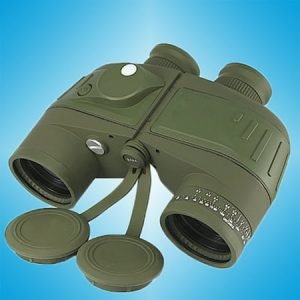
Birding binoculars often face issues like blurry images or stuck focus wheels. Cleaning lenses gently and tightening loose parts can fix many problems. Regular care helps keep your binoculars working well for clear bird watching.
Focus Problems
Focus can get blurry. Turn the focus wheel slowly. This helps clear the view. Check for dust on the lens. Dust can block the focus. Clean the lens with a soft cloth. Avoid touching the glass with fingers. Fingerprints cause blur.
Loose Or Stuck Parts
Loose parts make noise. Tighten screws with a small screwdriver. If parts get stuck, use gentle force. Never force too hard. It can break the parts. Check hinges for rust. Oil them to move smoothly.
Lens Scratches And Dirt
Scratches can ruin a good view. Use a lens cleaning pen. Rub gently to remove dirt. Avoid using rough cloths. They scratch the lens. Keep binoculars in a case. This protects them from dirt.
Fogging And Moisture
Fog makes images unclear. Store binoculars in a dry place. Use silica gel packs. They absorb moisture. Wipe lenses with a dry cloth. Avoid using water to clean. Water causes more fogging.
Tools Needed For Repairs
To fix birding binoculars, gather a basic repair kit. It should include small screwdrivers, tweezers, and a soft brush. These tools help open parts safely and clean dust.
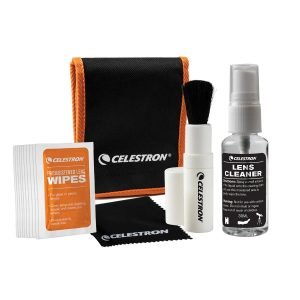
Cleaning supplies are also important. Use lens cleaning cloths, lens cleaning solution, and cotton swabs. These remove dirt without scratching lenses.
Replacement parts may be needed for broken pieces. Common parts include eyecups, screws, and focus knobs. Having these ready saves time and ensures proper repair.
Fixing Focus And Alignment
The focus wheelcontrols the clarity of the image. Turn it slowly while looking through the binoculars. Stop when the view becomes sharp and clear. If the wheel feels stuck, gently clean it using a soft cloth. Avoid using too much force to prevent damage.
Realigning the optics can fix blurry or double images. Check if the two barrels are straight and even. You can adjust the small screws near the hinges to align the lenses properly. Use a flat surface to help keep the binoculars steady during this process.
Tightening Loose Components
Loose parts can affect your binoculars’ performance and comfort. Start by checking the hinges and screws. Use a small screwdriver to gently tighten any loose screws. Avoid overtightening to prevent damage. If screws are missing, replace them with similar-sized ones from a hardware store.
Eyecups might become loose or fall off. Press them firmly back into place or twist them if they are the twist-up type. For straps, check if they are worn or loose. Replace old straps or tighten the knots to keep your binoculars secure during use.
Cleaning And Restoring Lenses
Use a soft brush or air blower to remove dust from lenses. Avoid using fingers to touch the glass. Always clean lenses with a microfiber cloth. Dampen the cloth slightly with lens cleaner or water for better results. Gently wipe the lens in circular motions. Do not press hard to avoid damage.
For scratches and smudges, use a special lens polish or toothpaste. Apply a small amount on the lens and rub gently. Clean off with a microfiber cloth. Test on a small area first to avoid harm. Avoid abrasive materials like paper towels or tissues. They can cause more scratches.

Credit: www.facebook.com
Preventing Fog And Moisture
Keeping birding binoculars dry stops fog and moisture damage. Desiccantslike silica gel absorb moisture inside the case. Place small packets near the binoculars to keep them dry. Check packets often and replace when wet.
Proper sealing and storage also help. Use a tight case to block moisture and dust. Store binoculars in a cool, dry place away from sunlight. Avoid leaving them in damp or hot areas.
- Use silica gel packets inside the binocular case
- Replace desiccants when they become wet
- Store binoculars in a sealed, protective case
- Keep binoculars in a cool, dry area
- Avoid exposing binoculars to extreme heat or dampness
When To Seek Professional Help
Complex optical repairs need special tools and skills. Issues like lens misalignment, cracked prisms, or internal fogging often require expert handling. Attempting these fixes without proper knowledge can cause more damage. Professionals have the right equipment to fix delicate parts safely.
Checking your binoculars’ warranty can save repair costs. Many brands offer free service or replacement within the warranty period. Always read the warranty terms carefully. Some repairs may not be covered, but authorized service centers provide reliable work.
| Repair Type | What to Expect | Warranty Impact |
|---|---|---|
| Lens Realignment | Precise adjustment of lenses for clear view | Usually covered if under warranty |
| Prism Replacement | Replacing broken or cracked internal prisms | May require professional service; check warranty |
| Cleaning Internal Fog | Removing moisture inside without damage | Often covered during warranty |

Credit: www.facebook.com
Frequently Asked Questions
How To Fix Blurry Images In Birding Binoculars?
Blurry images often result from dirty lenses or misaligned optics. Clean lenses gently with a microfiber cloth. If blurriness persists, check and adjust the focus and diopter settings. For internal misalignment, professional repair is recommended to avoid damage.
What Causes Fogging Inside Binocular Lenses?
Fogging occurs due to moisture trapped inside the binoculars. This can happen from sudden temperature changes or water exposure. To prevent fogging, use waterproof models or silica gel packs. For existing fog, professional disassembly and drying are often necessary.
How To Realign Birding Binoculars At Home?
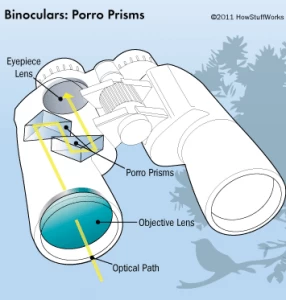
Realigning binoculars requires adjusting the prisms inside. Minor misalignments can be fixed by gently twisting the barrels. However, precise realignment often needs special tools and expertise. If unsure, seek professional repair to avoid permanent damage.
Can I Replace Broken Binocular Lenses Myself?
Replacing lenses is complex and delicate. It requires specific tools and precise alignment. DIY lens replacement risks further damage and misalignment. It is best to have a professional technician replace broken lenses for optimal results.
Conclusion
Repairing birding binoculars can save money and extend their life. Small fixes like cleaning lenses or tightening screws improve clarity fast. Take care during repairs to avoid damage. Regular maintenance keeps your binoculars ready for every bird watch. Simple steps help you enjoy nature without interruption.
Keep your binoculars in good shape and see birds clearly. A little effort goes a long way in preserving your gear. Happy birding with binoculars that work well every time!